






What's Happening?
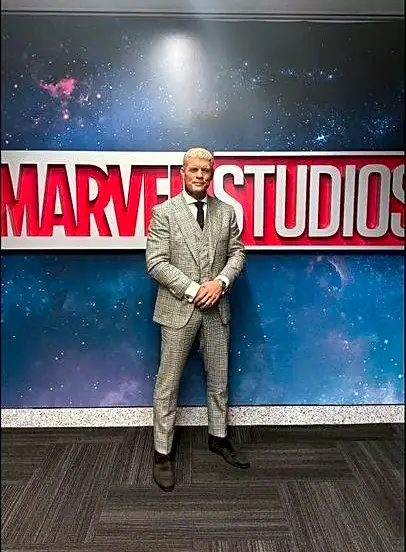
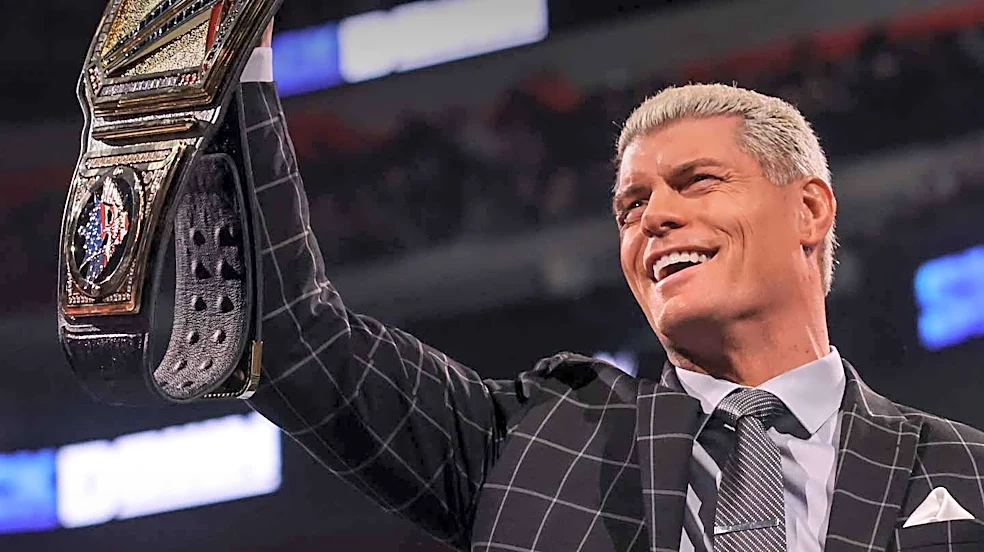
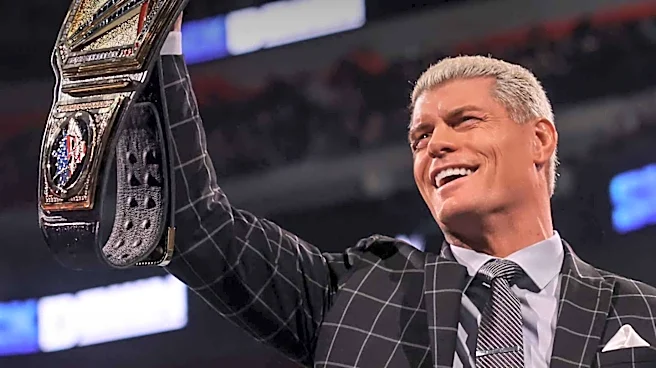
Cody Rhodes, a prominent WWE wrestler, has publicly acknowledged the support he received from WWE President Nick Khan and WWE Chief Content Officer Paul 'Triple H' Levesque in balancing his wrestling career with his acting endeavors. Rhodes recently filmed
'Street Fighter' and expressed his intention to pursue both acting and wrestling simultaneously, a shift from past industry norms where performers often had to choose one path. He highlighted that Khan and Levesque made the process of shooting 'Street Fighter' considerably easier, allowing him to manage his commitments effectively. This support from WWE leadership is seen as crucial for wrestlers looking to expand their careers into other entertainment sectors, following in the footsteps of other successful wrestler-actors like Dave Bautista, John Cena, and The Rock.
Why It's Important?
This development signifies a notable evolution in the professional wrestling industry's approach to its talent's external ventures. Historically, wrestlers often faced challenges in pursuing acting careers due to demanding schedules and company policies. The active facilitation by WWE executives like Nick Khan and Triple H indicates a strategic shift towards supporting multi-faceted careers for their stars. This approach could benefit WWE by enhancing the public profiles of its wrestlers, potentially attracting new audiences to the wrestling product through their exposure in film and television. For the wrestlers themselves, it offers greater career longevity and diversification of income streams. This trend also reflects a broader entertainment industry where crossover talent is increasingly valued, allowing performers to leverage their established fan bases across different media. The success of figures like Cody Rhodes in both arenas could set a precedent for future talent development within WWE and the wider entertainment landscape.
What's Next?
The continued support from WWE for its talent to engage in external projects, particularly in Hollywood, suggests a potential increase in crossover appearances by wrestlers in film and television. This could lead to more flexible contracts and scheduling arrangements for top-tier talent, allowing them to pursue acting roles without fully stepping away from the wrestling ring. We may see more WWE stars following Cody Rhodes' example, seeking opportunities in acting, which could further elevate the mainstream visibility of professional wrestling. This trend could also influence how WWE scouts and develops new talent, potentially looking for individuals with broader entertainment appeal beyond just in-ring performance. The success of these ventures will likely be closely monitored by both WWE and other wrestling promotions, potentially leading to similar initiatives across the industry.
Beyond the Headlines
The willingness of WWE to support its talent in Hollywood ventures, as exemplified by Nick Khan and Triple H's actions, reflects a deeper understanding of the evolving entertainment landscape. In an era where content consumption is diverse and fragmented, having stars who can seamlessly transition between different media forms is a significant asset. This strategy not only maximizes the earning potential and brand value of individual wrestlers but also strengthens WWE's position as a multifaceted entertainment company. It challenges the traditional perception of professional wrestling as a niche sport, instead positioning it as a breeding ground for versatile entertainers. This shift could also foster a more positive and collaborative relationship between WWE and its talent, as wrestlers feel more empowered to explore their creative interests outside the ring, ultimately contributing to a more dynamic and appealing product for fans.