




What's Happening?
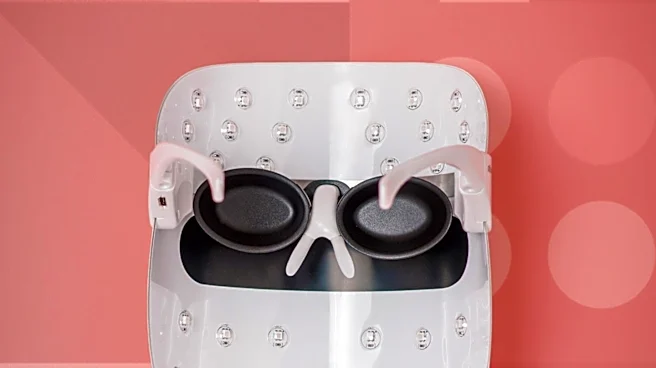
Red light therapy, also known as photobiomodulation, utilizes specific wavelengths of visible and near-infrared light to stimulate cellular processes in the skin. This non-invasive treatment works by targeting mitochondria within cells, increasing energy
production, and triggering cascades that lead to enhanced fibroblast activity, collagen and elastin production, improved blood flow, and reduced inflammation. While red and near-infrared light (around 630-850 nm) are the most studied and supported wavelengths for skin rejuvenation, blue light (around 415 nm) is primarily used for its antibacterial effects in treating acne. Clinical trials have shown modest improvements in wrinkles, elasticity, and collagen density with consistent use over several weeks or months. For instance, a Korean split-face trial in 2007 reported up to a 36% reduction in wrinkles and a 19% increase in elasticity, while a German trial in 2014 observed wrinkle improvements in about 70% of treated participants. However, experts caution that the effects are generally slower and less dramatic compared to more intensive treatments like prescription retinoids or microneedling. The efficacy for conditions like rosacea and pigmentation remains limited, and claims regarding mood or cortisol are not well-supported by evidence.
Why It's Important?
The growing popularity of red light therapy, both in professional clinics and through at-home devices, highlights a significant trend in the skincare and wellness industry towards non-invasive, low-downtime treatments. This technology offers consumers an alternative for addressing mild skin concerns such as early fine lines, texture irregularities, and mild to moderate acne. For individuals seeking gradual improvements without the invasiveness or recovery time associated with other cosmetic procedures, red light therapy presents a viable option. However, it is crucial for consumers to have realistic expectations, as the results are often subtle and require consistent, long-term application. The distinction between professional-grade devices and consumer-grade masks is also important, as light output and efficacy can vary. The market for these devices is expanding, driven by consumer demand for accessible beauty solutions, but it also necessitates clear communication from providers about what the therapy can and cannot achieve. Understanding the scientific basis and limitations helps consumers make informed decisions, preventing dissatisfaction and ensuring that resources are allocated effectively for their specific skin concerns.
What's Next?
As research continues, further studies may refine optimal treatment protocols, including specific wavelengths, dosages, and frequencies for various skin conditions. The development of more advanced at-home devices with improved efficacy and safety features is also anticipated, potentially making the therapy more accessible to a broader audience. Regulatory bodies may increase scrutiny on marketing claims to ensure they align with scientific evidence, particularly for over-the-counter devices. Consumers can expect to see more personalized treatment plans emerging, where practitioners tailor light therapy based on individual skin types, concerns, and responses. Additionally, combination therapies, integrating red light therapy with other skincare treatments, may become more prevalent to enhance overall results. The ongoing scientific exploration will likely focus on understanding the long-term benefits and potential synergistic effects with other dermatological interventions, guiding both professional practice and consumer choices in the evolving landscape of skincare technology.
Beyond the Headlines
The rise of red light therapy reflects a broader societal shift towards preventative and maintenance-focused wellness practices, where individuals are increasingly investing in long-term skin health rather than solely seeking corrective measures. This trend also underscores the growing consumer interest in evidence-based beauty solutions, pushing the industry to provide more transparent and scientifically validated products. Ethically, the proliferation of at-home devices raises questions about consumer education and the potential for misinformation, as marketing often outpaces scientific consensus. There's a need for clearer guidelines and consumer awareness campaigns to differentiate between scientifically supported benefits and exaggerated claims. Legally, as the market expands, there may be increased regulatory attention on device safety and efficacy, particularly for products marketed with medical claims. Culturally, the emphasis on non-invasive aesthetic enhancements highlights a desire for subtle improvements that align with a natural appearance, contrasting with more dramatic cosmetic interventions. This technology contributes to a culture where self-care and skin health are integrated into daily routines, reflecting a holistic approach to well-being.