






What's Happening?
The Athletics have announced their decision to decline the 2027 club options for infielder Jeff McNeil and starting pitcher Jeffrey Springs. This move, made on Friday afternoon, was largely anticipated given the players' performances and the financial
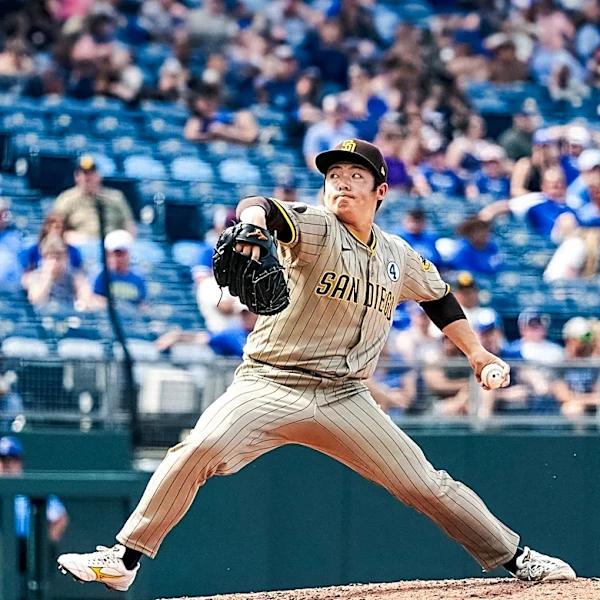
implications of their options, both exceeding $15 million. Jeff McNeil, acquired in an offseason trade with the New York Mets, had a challenging year, posting a .264/.313/.368 slash line with nine homers and eight stolen bases. His defensive play also saw him move from second base to first base and even outfield corners to accommodate younger players. Jeffrey Springs, who joined the team a couple of years ago from the Tampa Bay Rays, also had a difficult second season, surrendering 35 home runs, many of which occurred at Sutter Health Park. Both players are now free agents, with the Athletics prioritizing a shift towards developing younger talent.
Why It's Important?
This decision by the Athletics signifies a strategic pivot towards rebuilding and investing in younger players, rather than retaining veteran talent with high salary options. For the team, declining these options frees up significant payroll space, which can be reallocated to other areas or used to sign players who align with their long-term vision. For McNeil and Springs, it means entering the free agent market, where they will seek new opportunities. McNeil, despite a down year, showed a strong second half, suggesting he still has value for teams looking for a veteran presence. Springs, an innings-eater, will likely find a new home with a team that believes they can optimize his performance, potentially in a pitcher-friendly ballpark. This move reflects a broader trend in MLB where teams often make tough financial decisions to reshape their rosters and pursue future competitiveness, impacting player mobility and team compositions across the league.
What's Next?
Following the decline of their options, Jeff McNeil and Jeffrey Springs will now enter the free agency market, seeking new teams for the upcoming season. The Athletics, meanwhile, are awaiting one final option decision regarding starter Luis Severino, who holds a $22 million option for next year. Reports suggest Severino is likely to exercise his option, as it would be difficult for him to secure a comparable annual average salary on the open market, despite the potential desire for a better chance at the playoffs with a different team. The team will need to address the innings and starts left vacant by Springs' departure, either through trades or free agency, as they continue to shape their roster for the future. This period will be crucial for the Athletics as they aim to solidify their roster with a focus on youth and long-term development.
Beyond the Headlines
The Athletics' decision to decline options for McNeil and Springs highlights the evolving dynamics of player valuation and team strategy in professional baseball. It underscores the challenge for veteran players to maintain high-value contracts, especially after seasons that don't meet expectations, as teams increasingly prioritize financial flexibility and the development of younger, cost-controlled talent. This trend can lead to a more fluid player market, with veterans frequently changing teams in search of optimal roles and contracts. The acknowledged unhappiness of Springs with playing at Sutter Health Park also sheds light on the impact of stadium environments on player satisfaction and career choices, adding another layer to the complex decisions players and teams face during the offseason. This strategic shift by the Athletics could influence how other teams approach their roster construction, balancing immediate competitiveness with future sustainability.