








What's Happening?
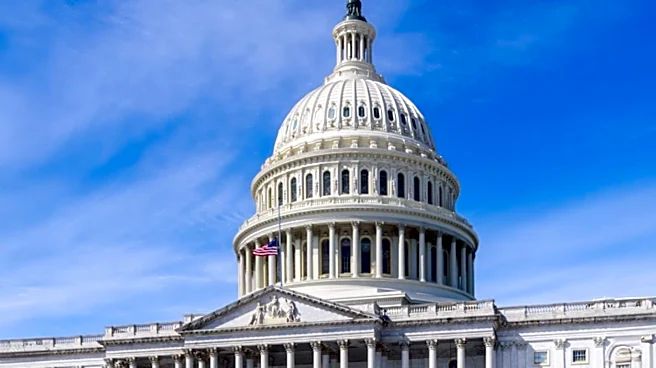
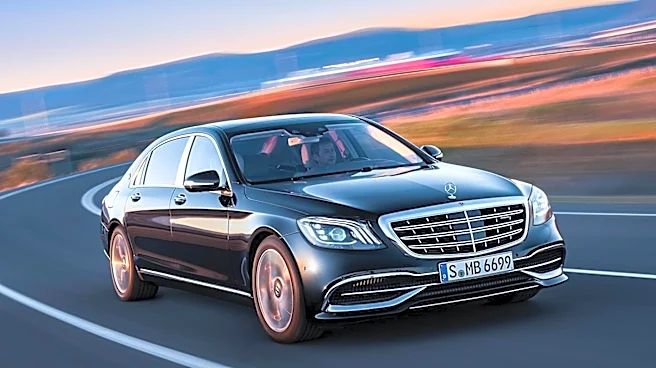
Mercedes-Benz is actively lobbying to amend a bipartisan Senate bill that could restrict its ability to sell connected vehicles in the United States due to its partial ownership by Chinese entities. The bill, introduced by Senators Elissa Slotkin and
Bernie Moreno, proposes a 15% cap on Chinese ownership for automakers selling connected cars in the U.S. Mercedes-Benz currently exceeds this threshold with nearly 20% ownership, split between China's state-owned BAIC Motor and Geely Chairman Li Shufu. The automaker argues that neither shareholder controls more than 10% individually or has significant influence over its operations. Mercedes-Benz is advocating for the ownership cap to be raised to 25%, which would allow it more flexibility in its Chinese ownership structure. An alternative proposal under discussion involves replacing the fixed percentage cap with a qualitative national security review, which could be more favorable to Mercedes-Benz. The Senate Commerce Committee is expected to review the bill later in July, although its passage is uncertain.
Why It's Important?
The outcome of this legislative effort is significant for Mercedes-Benz, as it could impact its operations and market presence in the U.S. The company sold over 315,000 vehicles in the U.S. last year and has committed $4 billion to its Alabama plant through 2030. The bill's compliance deadline coincides with this investment timeline, making the stakes high for Mercedes-Benz. The broader implications of the bill reflect concerns over Chinese influence in global auto manufacturing, which some view as a threat to U.S. economic and national security. The Alliance for Automotive Innovation supports the bill's intent but emphasizes the importance of precise legislative language. The decision on whether to measure risk by ownership percentage or control will be crucial for Mercedes-Benz's future in the U.S. market.
What's Next?
The Senate Commerce Committee is set to review the bill later in July, and its outcome will determine the next steps for Mercedes-Benz. If the bill passes with the current ownership cap, Mercedes-Benz may need to adjust its ownership structure or seek exemptions similar to those obtained by other automakers like Volvo Cars. The automaker's lobbying efforts will likely continue as it seeks to influence the final wording of the bill. The decision will also set a precedent for how the U.S. addresses foreign ownership in critical industries, potentially affecting other companies with similar ownership structures.