





What's Happening?
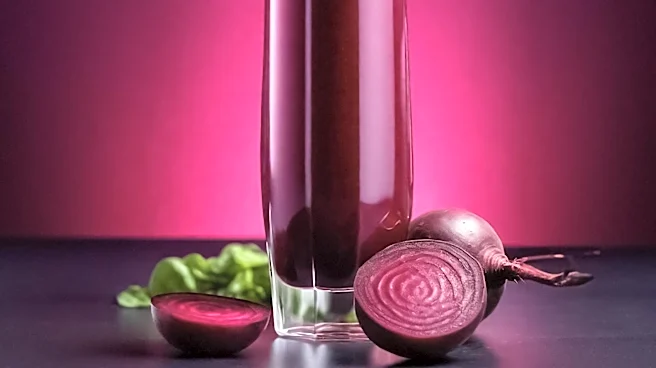
A recent study published in the journal Free Radical Biology and Medicine indicates that daily consumption of nitrate-rich beetroot juice can lead to a reduction in blood pressure and significant changes in the oral microbiome. The research involved 39
individuals under 30 and 36 individuals in their 60s and 70s. Participants consumed either nitrate-rich beet juice or a placebo drink daily over two-week phases, separated by a two-week 'wash out' period. Researchers observed that the older group, which initially had higher average blood pressure, experienced a noticeable drop in blood pressure after consuming the nitrate-rich beet juice. This group also showed a decrease in the oral bacteria Prevotella and an increase in beneficial oral bacteria like Neisseria. Nitrates in vegetables are converted to nitric oxide, which helps relax and widen blood vessels, thereby improving blood pressure.
Why It's Important?
This study highlights a natural and accessible method for potentially managing high blood pressure, a widespread health concern in the U.S. The findings are particularly significant for older adults, who are more susceptible to hypertension. The discovery that oral microbiome changes play a crucial role in the blood pressure-lowering effects of beet juice underscores the interconnectedness of gut health, oral health, and cardiovascular well-being. This research could influence dietary recommendations and public health campaigns aimed at promoting heart health. While beet juice is not a substitute for prescribed medication, it offers a complementary approach that could empower individuals to take a more active role in their health management through dietary choices. The modest but measurable reductions in blood pressure observed could contribute to overall cardiovascular risk reduction.
What's Next?
Further research is likely to explore the long-term effects of daily beet juice consumption on blood pressure and oral microbiome composition. Scientists may also investigate optimal dosages and the specific strains of oral bacteria most responsible for converting nitrates into beneficial nitric oxide. This could lead to the development of targeted dietary interventions or even probiotic supplements designed to enhance the blood pressure-lowering effects of nitrate-rich foods. Healthcare providers may begin to incorporate dietary advice regarding beet juice and other nitrate-rich vegetables into their recommendations for patients with hypertension, emphasizing its role as a supportive measure alongside conventional treatments. Public health organizations might also consider educational initiatives to raise awareness about the cardiovascular benefits of incorporating beets into the diet.
Beyond the Headlines
The study's emphasis on the oral microbiome's role in nitrate conversion opens up a fascinating area of research into the systemic impact of oral health. It suggests that maintaining a healthy balance of oral bacteria is not just important for dental hygiene but also for broader physiological functions, including cardiovascular regulation. This could lead to a more holistic understanding of health, where interventions targeting one system (e.g., oral hygiene) could have beneficial ripple effects on others. The findings also reinforce the growing scientific understanding of the gut-brain axis and, in this case, the oral-cardiovascular axis, highlighting how microbial communities throughout the body contribute to overall health. This perspective could encourage a shift towards integrated healthcare approaches that consider the body's microbial ecosystem as a key factor in disease prevention and management.