







What's Happening?
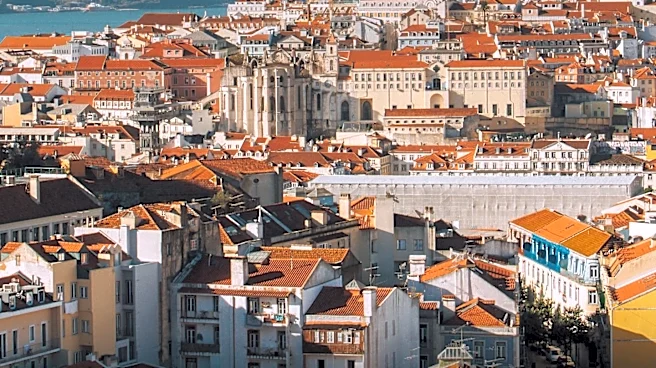
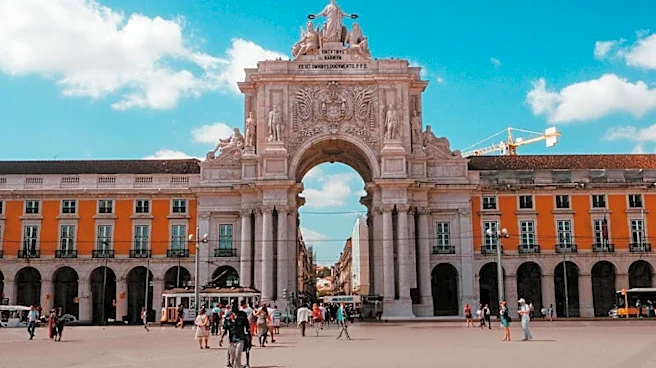
Lisbon has secured its position as the third most booked destination for French travelers in 2026, according to the annual balance "A year in travel 2026" by eDreams ODIGEO. This report, which compiles data from searches and bookings between January 1
and October 31, 2026, places Lisbon behind Marrakech and Barcelona. Additionally, Porto also features in the top 10 destinations for French travelers. The data indicates that Portugal, with both Lisbon and Porto prominently ranked, is a favored destination in the French market, alongside Spain and Morocco. French travelers' stays in these destinations typically range from 7 to 13 days for 29% of travelers, 3 to 4 days for 27%, and 5 to 6 days for 14%. Social media plays a significant role in discovery, with 39% of travelers reporting they have found new destinations through these platforms.
Why It's Important?
This trend highlights the growing appeal of Portuguese cities, particularly Lisbon and Porto, to the French tourism market. For the U.S. tourism industry, this indicates a strong competitive landscape in European travel, where destinations like Lisbon are effectively drawing international visitors. While the immediate impact on U.S. tourism is indirect, it underscores the importance of marketing and digital presence, as social media influences a substantial portion of travel decisions. U.S. travel agencies and hospitality businesses targeting European visitors might observe similar preferences for culturally rich and accessible destinations. The sustained popularity of Portugal could also influence airline routes and travel package offerings, potentially diverting some European travelers who might otherwise consider transatlantic trips to the U.S. The data also suggests that effective online presence and social media engagement are crucial for attracting international tourists.
What's Next?
The continued popularity of Lisbon and Porto among French travelers suggests that these cities will likely remain key destinations in the European tourism sector. Travel agencies and airlines may continue to expand their offerings to these locations to meet demand. For the broader tourism industry, including U.S. stakeholders, this trend could prompt a re-evaluation of marketing strategies, particularly concerning the use of social media to influence travel choices. Destinations and travel providers will likely invest further in digital marketing and partnerships with online travel agencies to capture market share. The sustained interest in European destinations like Lisbon could also lead to increased competition for tourism dollars, potentially impacting pricing and promotional activities across the global travel market.
Beyond the Headlines
The strong performance of Lisbon and Porto in attracting French tourists reflects a broader shift in travel preferences towards destinations that offer a blend of cultural experiences, historical richness, and accessibility. This trend is not isolated to the French market but is indicative of a global inclination towards experiential travel. For the U.S., understanding these preferences is crucial for developing competitive tourism products. The influence of social media in destination discovery also raises ethical considerations regarding content authenticity and the potential for over-tourism in popular spots. As more travelers rely on digital platforms for inspiration, the responsibility of content creators and travel companies to promote sustainable and responsible tourism practices becomes increasingly important. This also highlights the cultural exchange and soft power benefits that accrue to nations that successfully attract international visitors.