





What's Happening?
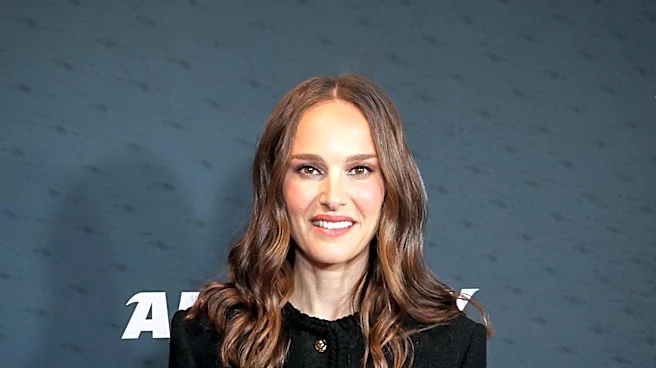
Rachel Cusk's upcoming novel, 'The Life of M,' has generated significant buzz due to widespread speculation that its protagonist, 'M,' is based on actress Natalie Portman. The novel, set to be released in Brazil in early 2027, features a character who
is a globally recognized actress since childhood, a luxury brand ambassador, and whose life is narrated by a writer friend, leading her to feel exposed and betrayed. These details bear striking resemblances to Portman's public persona and career. Portman is a known admirer of Cusk, having selected two of her novels for her Instagram book club, interviewed her publicly, and cited her as a favorite author. While the rumors remain unconfirmed, Portman has reportedly avoided the topic, and Cusk has not denied the insinuations, allowing the speculation to potentially boost book sales. Cusk, in an interview with The New York Times, emphasized that the question of whether 'M' is based on a real celebrity is not the central point, asserting that the work is fiction created from a blend of real elements, invented schemes, and personal material.
Why It's Important?
This literary speculation highlights the complex interplay between reality and fiction in contemporary literature and its impact on public perception and sales. The potential connection to a high-profile celebrity like Natalie Portman can significantly elevate a book's visibility and commercial appeal, drawing in readers who might not typically engage with literary fiction. It also raises questions about authorial intent and the ethics of drawing inspiration from real individuals, particularly public figures, without explicit consent or acknowledgment. For readers, the allure of deciphering real-life parallels within a fictional narrative adds another layer of engagement, blurring the lines between biography and art. This trend can influence how authors approach character development and how publishers market their works, often leveraging public curiosity about celebrity lives to generate interest and discussion around literary creations.
What's Next?
The release of Rachel Cusk's 'The Life of M' in early 2027 is highly anticipated, and the ongoing speculation about Natalie Portman as its inspiration is likely to continue fueling public interest. As the release date approaches, further discussions and analyses of the novel's content in relation to Portman's life are expected. Readers and critics will likely scrutinize the text for any direct or indirect parallels, potentially leading to increased sales and media coverage. The reactions from both Natalie Portman and Rachel Cusk, or their continued silence on the matter, will also be closely watched. This situation could set a precedent for how authors and public figures navigate the delicate balance between artistic freedom and personal privacy in the age of pervasive media and celebrity culture. The debate around the novel's origins may also spark broader conversations within literary circles about the nature of autofiction and biographical elements in contemporary writing.
Beyond the Headlines
The controversy surrounding 'The Life of M' delves into deeper ethical and legal dimensions concerning the use of real-life figures in fiction. It raises questions about ownership of personal narratives and the boundaries of artistic license. While authors often draw inspiration from their surroundings and acquaintances, the direct or implied portrayal of a recognizable public figure can lead to debates about defamation, privacy, and exploitation. This scenario also reflects a cultural fascination with celebrity lives and the voyeuristic pleasure many derive from perceived glimpses into the private worlds of public figures. The literary world has a long history of blurring these lines, but in the digital age, such connections can be amplified and scrutinized more intensely. The case of 'The Life of M' could contribute to ongoing discussions about the responsibilities of writers and the rights of individuals whose lives may become source material for art, potentially influencing future legal precedents or ethical guidelines in publishing.