


What's Happening?
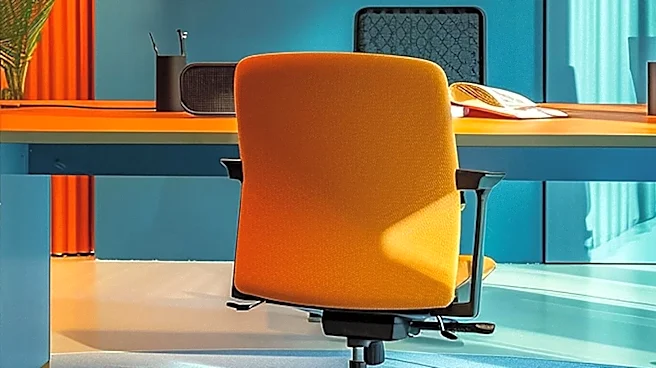
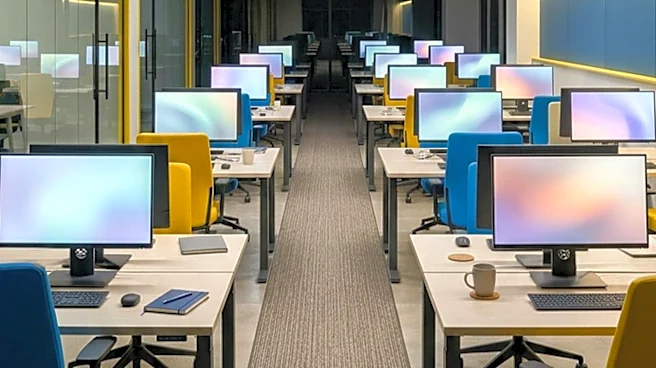
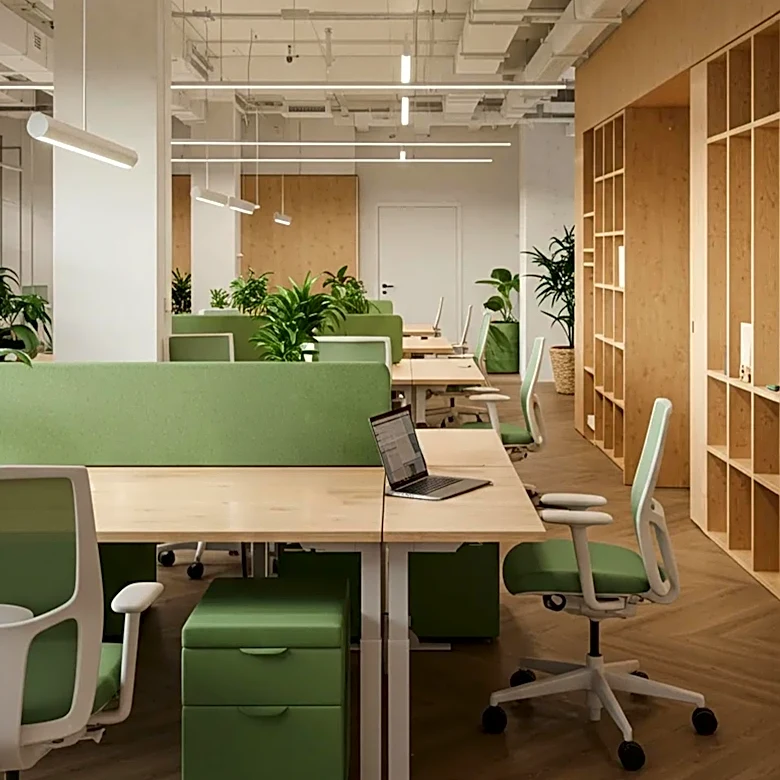
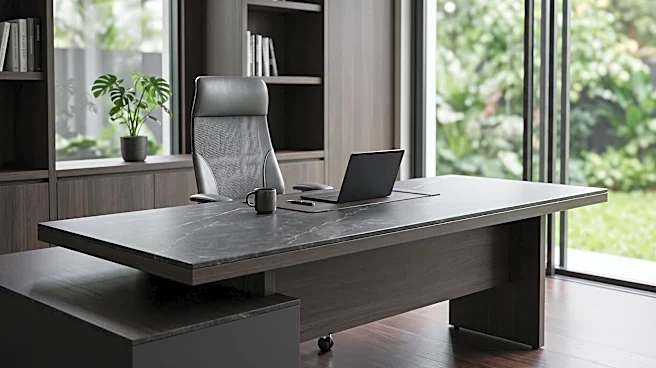
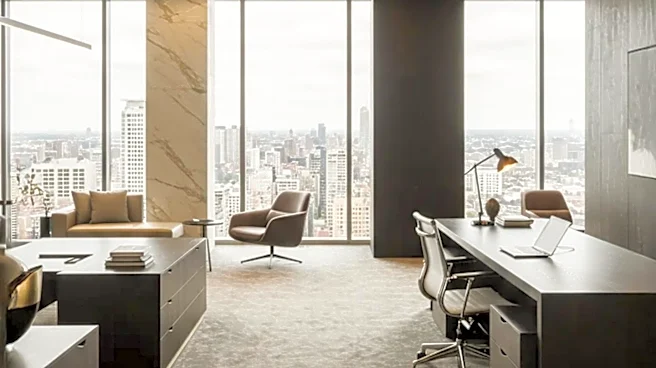
D2M Interior is promoting the creation of high-performance office environments by emphasizing smart space planning, ergonomic designs, and functional interiors. The company highlights that modern offices are evolving beyond mere task completion areas
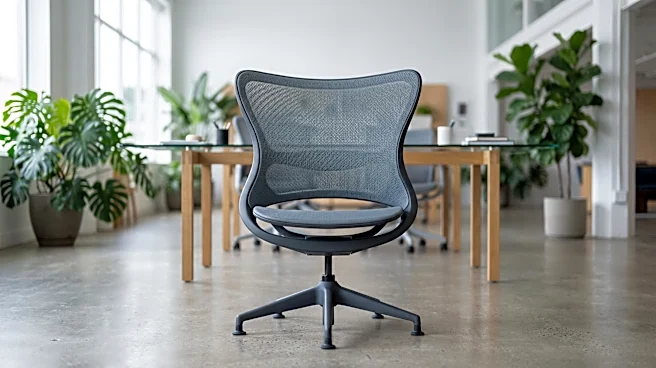
to spaces that boost productivity, foster collaboration, support employee well-being, and reinforce a company's brand identity. Key principles for achieving this include effective space planning to organize workflow, maximizing natural light to enhance energy and focus, and investing in ergonomic furniture to ensure employee comfort and reduce health issues. Additionally, D2M Interior stresses the importance of designing for collaboration while also incorporating quiet focus zones to balance teamwork with concentrated work. The firm also advises on improving indoor air quality, selecting productivity-boosting colors, and reducing workplace noise through acoustic design.
Why It's Important?
The shift towards high-performance office environments is crucial for U.S. businesses seeking to optimize employee satisfaction and operational efficiency. A well-designed office can significantly increase productivity, reduce stress, and improve communication, directly impacting a company's bottom line. By prioritizing elements like natural light and ergonomic furniture, businesses can mitigate common workplace issues such as eye strain and discomfort, leading to a healthier and more engaged workforce. The emphasis on balancing collaborative and quiet zones addresses the diverse needs of employees, fostering both teamwork and individual focus. This approach helps companies attract and retain talent by offering a supportive and stimulating work environment, ultimately contributing to stronger brand identity and better business outcomes in a competitive market.
What's Next?
Businesses are expected to continue investing in professional interior design services to transform their workspaces into modern, functional, and inspiring environments. The trend suggests a growing recognition that office design is a strategic business asset rather than just an aesthetic consideration. Future office designs will likely further integrate smart technology for efficiency, create flexible workspaces that adapt to growth and hybrid work models, and prioritize employee wellness through dedicated relaxation and fitness areas. Companies will also increasingly focus on reflecting their culture and values through office interiors to strengthen emotional connections with employees. This ongoing evolution in workplace design aims to support long-term business success and deliver exceptional experiences for both employees and clients.
Beyond the Headlines
The move towards high-performance office environments reflects a broader cultural shift in how work is perceived and valued. It underscores a growing understanding that physical surroundings profoundly impact mental well-being, creativity, and overall job satisfaction. This trend also highlights ethical considerations regarding employer responsibility for employee health and comfort, moving beyond basic compliance to proactive wellness initiatives. Legally, this could influence building codes and workplace safety regulations to include more comprehensive standards for air quality, lighting, and ergonomics. Culturally, it signifies a departure from traditional, rigid office structures towards more dynamic, human-centric spaces that foster a sense of community and purpose, potentially reshaping corporate identities and work-life integration in the long term.