





What's Happening?
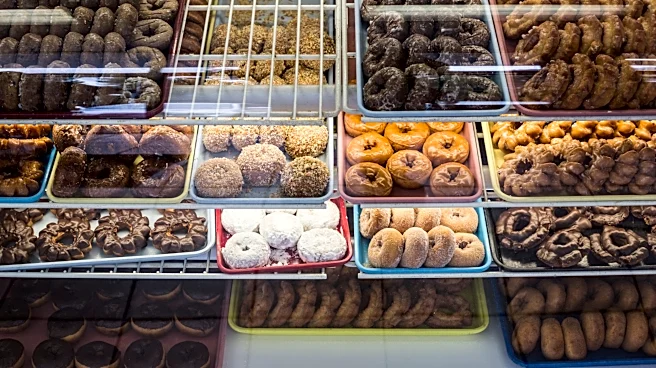
Mardi Gras, a French phrase meaning 'Fat Tuesday,' traditionally refers to the Tuesday immediately preceding Ash Wednesday, marking the beginning of Lent in many Christian traditions. Historically, it was a day for consuming rich and indulgent foods before
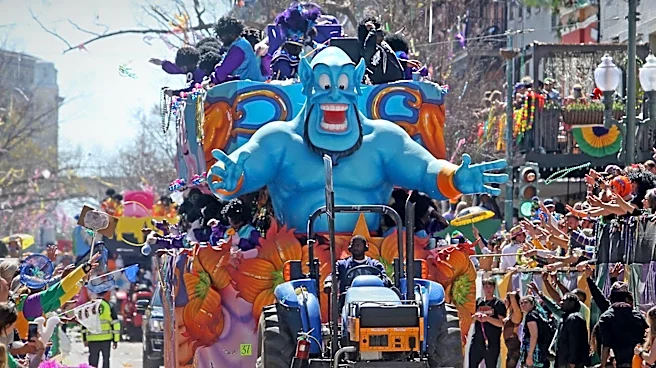
the fasting period of Lent. Over time, Mardi Gras has evolved beyond a single day to encompass an entire carnival season, characterized by colorful parades, costumes, masks, live music, dancing, festive foods, floats, beads, and street celebrations. While it has Christian historical roots, modern Mardi Gras celebrations also hold strong cultural and social identities, with many participating for non-religious reasons, enjoying the music, art, costumes, and community events. New Orleans, Louisiana, is particularly renowned for its elaborate Mardi Gras festivities, featuring distinctive traditions organized by social organizations known as krewes.
Why It's Important?
Mardi Gras holds significant cultural and economic importance, particularly in cities like New Orleans, where it is a major tourist attraction and a cornerstone of local identity. The celebration drives substantial economic activity through tourism, hospitality, and local businesses that cater to the festivities. Beyond its economic impact, Mardi Gras serves as a vibrant expression of cultural heritage, blending historical religious observances with unique local traditions, music, and art. It fosters community cohesion, bringing together diverse groups of people in shared celebration. The traditions, such as the iconic purple, green, and gold colors representing justice, faith, and power, and the practice of 'throws' from floats, have become globally recognized symbols, contributing to the cultural tapestry of the United States.
What's Next?
As Mardi Gras is tied to the date of Easter, its specific calendar date changes annually, requiring participants and organizers to plan accordingly each year. The broader carnival season typically begins weeks before Fat Tuesday, with various events and parades leading up to the main day. Communities that celebrate Mardi Gras will continue to prepare for future celebrations, with krewes organizing themes, floats, and events. The evolution of Mardi Gras may see continued adaptation to modern trends while preserving its historical roots, potentially incorporating new technologies for event management or expanding its reach through digital platforms. The ongoing challenge will be to balance the preservation of traditional customs with the demands of a growing global audience and evolving societal norms.
Beyond the Headlines
The evolution of Mardi Gras from a religious observance to a broad cultural phenomenon highlights the dynamic interplay between faith, tradition, and secular celebration. The anonymity provided by masks, historically allowing participants to transcend social boundaries, speaks to deeper human desires for freedom of expression and temporary escape from everyday roles. The commercialization of Mardi Gras, while boosting local economies, also raises questions about the authenticity of traditions and the potential for over-tourism to impact local communities. Furthermore, the distinct cultural expressions seen in different Mardi Gras celebrations across the globe underscore the diversity of human festivity and the ways in which shared historical roots can branch into unique local identities, reflecting the rich multicultural fabric of the United States and beyond.