





What's Happening?
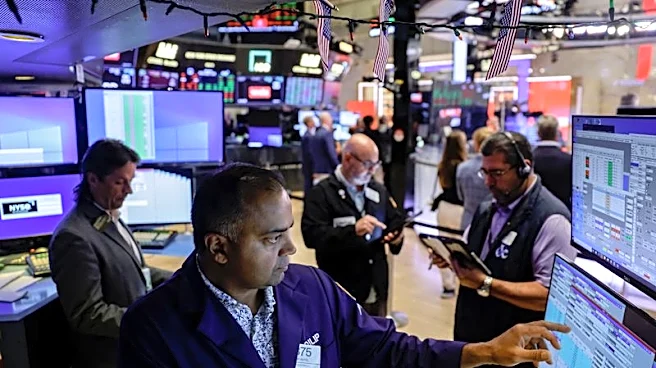
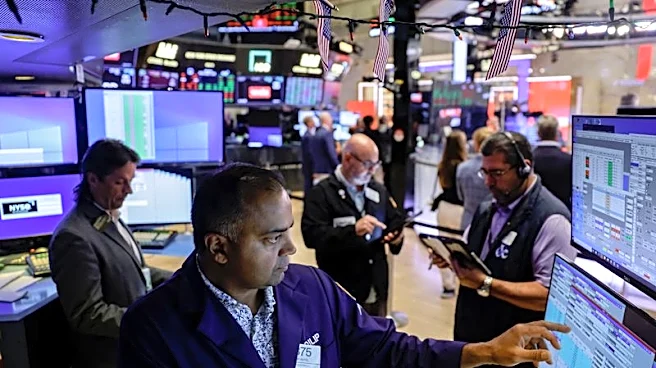
Wall Street is closely monitoring the upcoming second-quarter earnings reports from major U.S. retailers, including Home Depot, Target, and Walmart, scheduled for release this week. These reports are anticipated to provide critical insights into the current
state of U.S. consumer spending. The retail sector recently experienced its first decline in sales in nine months, a dip partly attributed to falling oil prices and Amazon's 'Prime Day' being held in June. Investors will be particularly keen to understand how elevated borrowing costs, a sluggish housing market, and persistent inflationary pressures are influencing consumer purchasing decisions. Walmart's guidance is especially significant given its consistent record of exceeding earnings estimates, while Home Depot's results will indicate the resilience of home-improvement demand. Target's report is expected to shed light on discretionary spending trends and its outlook for the latter half of the year.
Why It's Important?
The performance of these retail giants serves as a vital barometer for the overall health of the U.S. economy and consumer confidence. A decline in retail sales, as recently observed, can signal a broader economic slowdown, impacting various sectors from manufacturing to logistics. The insights from these earnings calls will influence investor sentiment and potentially shape market expectations for future interest rate decisions by the Federal Reserve. If consumers are indeed becoming more cautious, it could lead to reduced corporate profits, potential job cuts, and a further tightening of financial conditions. Conversely, signs of continued spending despite economic headwinds could alleviate concerns about a recession and provide a boost to market stability. The reports will also highlight the effectiveness of retailers' strategies in managing inventory, pricing, and supply chain challenges in the current economic climate.
What's Next?
Following the earnings reports, analysts and investors will dissect the data to project future trends in consumer spending and economic growth. The Federal Reserve's July meeting minutes, also due this week, will offer additional context on policymakers' views regarding interest rates and inflation, which could further impact the retail outlook. Depending on the earnings results, retailers may adjust their strategies concerning pricing, inventory management, and promotional activities for the upcoming holiday season. Any indications of sustained consumer caution could prompt more aggressive discounting or a shift in product offerings. Conversely, strong performance might encourage continued investment in expansion and innovation. The market's reaction to these reports will likely set the tone for the broader retail sector for the remainder of the year, influencing stock valuations and investment decisions.
Beyond the Headlines
Beyond the immediate financial implications, the retail earnings reports offer a deeper understanding of societal shifts in consumption patterns. The impact of 'Prime Day' on traditional retail sales, for instance, underscores the growing dominance of e-commerce and the need for brick-and-mortar stores to adapt. The reports will also reflect the ongoing struggle between consumer desire for discretionary goods and the necessity of managing household budgets amidst inflation. This dynamic can lead to a bifurcation in retail performance, with essential goods providers potentially faring better than those focused on non-essential items. Furthermore, the data could reveal regional disparities in consumer health, offering clues about localized economic pressures and opportunities. The long-term implications for retail employment and the evolution of shopping experiences will also be subtly influenced by these quarterly outcomes.