






What's Happening?
Invitation Homes is incorporating smart home technology, air filter delivery, and utility management into its rental properties, bundling these services into the lease for an additional monthly fee. This initiative aims to provide tenants with modern
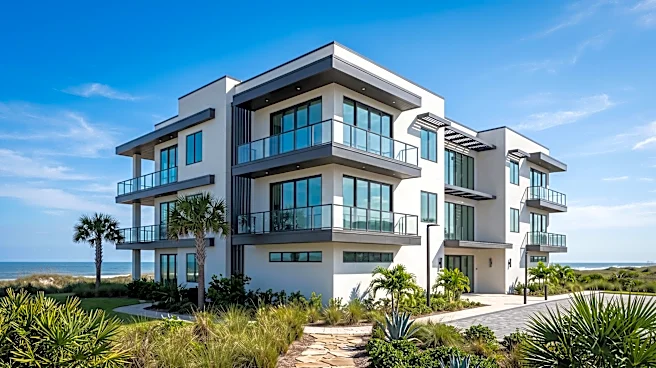
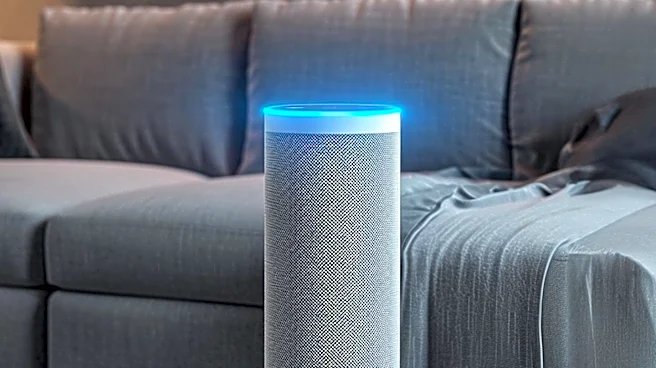
conveniences and a 'worry-free leasing lifestyle.' The smart home features include connected devices such as smart thermostats, smart locks, and potentially other smart appliances, which can be controlled via apps or voice commands. These integrations are designed to offer convenience, security, and energy efficiency for residents. The company highlights a specific three-bedroom home in Safety Harbor, Florida, as an example of a property featuring these smart home technologies, including stainless steel appliances and tile flooring, with an open layout and outdoor living spaces.
Why It's Important?
This move by Invitation Homes signifies a growing trend in the U.S. rental market towards integrating advanced technology into residential properties. For tenants, the inclusion of smart home technology can lead to enhanced convenience, improved security, and potential savings on utility costs through optimized energy consumption. Features like smart thermostats can learn daily routines and set schedules to reduce waste, while smart locks offer remote access control. For Invitation Homes, this strategy could attract tech-savvy renters, differentiate its properties in a competitive market, and potentially increase revenue through the bundled service fees. It also positions the company as forward-thinking in property management, adapting to evolving consumer expectations for connected living spaces. The 'Lease Easy' bundle aims to simplify the rental experience by centralizing essential services.
What's Next?
The integration of smart home technology into rental leases by Invitation Homes suggests a potential shift in standard rental offerings across the U.S. real estate sector. Other property management companies may follow suit, leading to a broader adoption of smart home features as a standard amenity rather than a luxury. Tenants can expect to see more rental listings advertising similar technology bundles, influencing their choices and potentially driving up demand for such properties. Furthermore, the success of this model could encourage further innovation in property management, with companies exploring additional smart services or partnerships with technology providers to enhance the resident experience and operational efficiency. The long-term impact could be a more technologically advanced and interconnected rental housing market.
Beyond the Headlines
The bundling of smart home technology and utility management into rental leases raises questions about data privacy and tenant control over their living environment. While these technologies offer convenience, they also collect data on usage patterns, which could be a concern for some residents. The mandatory nature of these services, included for a 'small fee,' also shifts the cost and responsibility of technology adoption directly to the tenant. This trend could lead to a future where basic home functionalities are increasingly tied to digital ecosystems, potentially creating a divide between those comfortable with such integration and those who prefer more traditional, less connected living spaces. It also highlights the evolving definition of a 'modern home' and the expectations placed on landlords to provide technologically advanced living solutions.