




What's Happening?
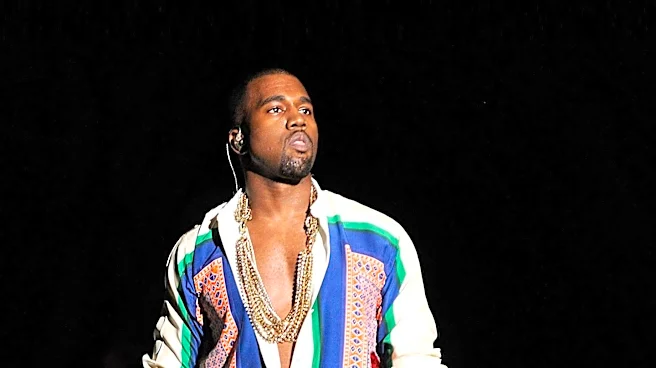
Two sold-out concerts by Ye, formerly known as Kanye West, scheduled for October 10 and 11 at the Gazprom Arena in St. Petersburg, Russia, have been canceled. The Moscow-based organizer, Say Agency, announced the cancellation on Telegram, expressing regret
and stating that ticket refunds would be available starting October 12. This cancellation follows weeks of confusion and controversy surrounding the events. The Gazprom Arena had previously stated it had not signed an agreement to lease the stadium for the concerts, despite initial enthusiastic social media posts about Ye performing. The Russian foreign ministry spokesperson, Maria Zakharova, had also deemed the planned shows unacceptable due to Ye's past 'glorification' of Hitler, and a politician, Nikolay Novichkov, called for an investigation into Ye's remarks and demanded the concerts be canceled unless he publicly supported Russia's 'special military operation.'
Why It's Important?
The cancellation of Ye's concerts in Russia highlights the significant impact of an artist's public statements and past controversies on their international engagements. For U.S. artists, this incident underscores the potential for their actions and words to have far-reaching consequences, affecting their ability to perform and generate revenue in foreign markets. The situation also reflects the complex geopolitical landscape, where cultural events can become entangled with political stances and international relations. The Russian authorities' strong reaction to Ye's past antisemitic and pro-Nazi comments, coupled with demands for political alignment, demonstrates how host countries can leverage such events to exert influence or enforce their values. This could set a precedent for how other U.S. artists are scrutinized when planning performances in politically sensitive regions, potentially leading to increased vetting and pressure to conform to local political narratives.
What's Next?
Say Agency has indicated that an official statement regarding the project's status and future plans will be released soon, along with details on ticket refunds. It remains to be seen if Ye will attempt to reschedule these concerts or pursue other performance opportunities in Russia, given the strong opposition from Russian officials and the venue itself. The incident may prompt other international venues and promoters to exercise greater caution when booking artists with controversial public profiles, especially in regions with heightened political sensitivities. Ye's team will likely need to address the reasons for the cancellation and potentially re-evaluate his public relations strategy for international engagements. The broader implications for U.S. artists performing abroad, particularly in countries with strained relations with the U.S., could include more rigorous background checks and demands for political neutrality or alignment.
Beyond the Headlines
This event extends beyond a simple concert cancellation, touching upon the ethical responsibilities of artists and the cultural implications of their platforms. Ye's past antisemitic remarks and 'glorification' of Hitler, which he later apologized for, continue to have repercussions, demonstrating that public apologies may not fully mitigate the long-term impact of controversial statements. The incident also highlights the tension between artistic freedom and societal expectations, particularly when an artist's views clash with the values or political agendas of a host nation. Furthermore, the calls for Ye to declare 'moral support for Russia and the special military operation' underscore how cultural events can be politicized, transforming artistic performances into potential tools for propaganda or political endorsement. This raises questions about the role of artists as cultural ambassadors and the pressures they face to navigate complex international political landscapes.