





What's Happening?
Billboard and YouTube are set to re-establish their partnership, with YouTube streams once again contributing to Billboard's official chart calculations starting January 2027. This reconciliation follows a period where YouTube had ceased reporting its
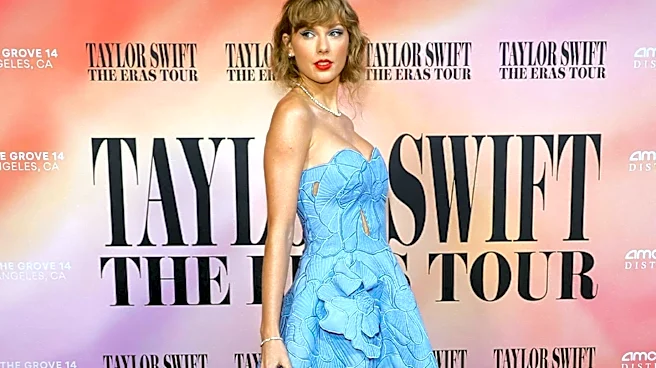
numbers to Billboard, leading to concerns about the accuracy and comprehensiveness of the music charts. The initial split occurred because YouTube felt its platform was not adequately valued in Billboard's formula, particularly regarding the conversion ratio of free streams to paid streams. Previously, 250 free streams were equated to 100 paid streams. Under the new agreement, 1,500 free streams will now count the same as 1,000 paid streams, which is equivalent to one purchase. This adjustment aims to better reflect contemporary music consumption habits, where free streaming on platforms like YouTube plays a significant role. The collaboration will impact how artists and their teams strategize for chart success, including major figures like Taylor Swift.
Why It's Important?
The renewed collaboration between Billboard and YouTube is significant for the U.S. music industry as it aims to restore the comprehensive accuracy of Billboard's charts, which are considered industry standards. During the period of separation, questions arose about whether the charts fully represented what audiences were listening to and what artists were earning, especially given YouTube's substantial global reach, including its large base of free listeners. The disparity was particularly noticeable in certain music genres. By reintegrating YouTube's extensive streaming data, Billboard's charts, such as the Hot 100 and Billboard 200, will offer a more holistic view of music popularity and consumption trends. This change could influence investment decisions, promotional strategies, and artist recognition within the industry, ensuring that a broader spectrum of listener engagement is acknowledged.
What's Next?
Beginning in January 2027, with the chart dated January 16th, YouTube streams will officially be factored into Billboard's chart methodology. This change will likely prompt artists and their management teams, including those of major stars like Taylor Swift, to re-evaluate their release and promotional strategies. During the split, artists often prioritized paid streaming platforms like Spotify and Apple Music for music video premieres and exclusive content. With YouTube's return to the chart calculations, there may be a renewed focus on leveraging YouTube for music video launches, fan engagement challenges, and the use of features like YouTube Shorts to boost chart performance. The competitive landscape between streaming platforms may also intensify as Spotify and Apple Music could introduce new incentives to retain artists and their exclusive content, while YouTube works to reclaim its position as a primary platform for music video premieres.
Beyond the Headlines
The reconciliation between Billboard and YouTube highlights the ongoing evolution of music consumption and the challenges of accurately measuring popularity in the digital age. The debate over the value of free versus paid streams reflects broader industry discussions about monetization models and artist compensation. While the new 1,500 free streams to 1,000 paid streams ratio is an adjustment, it still places a higher value on paid consumption, indicating a continued industry effort to encourage subscriptions. This development could also influence how music discovery and fan engagement are perceived, potentially leading to more integrated strategies that blend free and paid content distribution. The long-term implications may include a shift in how success is defined and measured in the music industry, emphasizing a more inclusive view of audience engagement across various platforms.