

What's Happening?
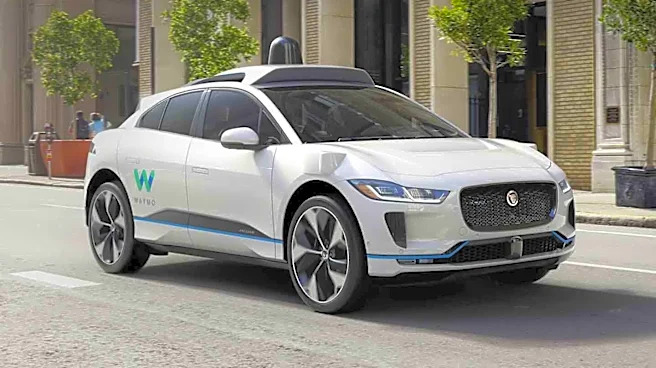
Waymo, a Google-owned autonomous car company, is expanding its infrastructure in Washington, D.C., by building three new maintenance and charging facilities. This move is part of Waymo's strategy to support a D.C. Council bill that aims to legalize passenger
services for self-driving cars. The company has been testing its autonomous vehicles in D.C. for over two years, logging significant mileage and mapping the city's roads. Despite the expansion, the bill faces opposition from labor unions concerned about job losses and advocates for disabled residents who demand accessible vehicles. Waymo is investing heavily in local infrastructure and hiring D.C. residents as part of its efforts to gain legislative approval.
Why It's Important?
Waymo's expansion in D.C. represents a significant step towards integrating autonomous vehicles into urban transportation systems. The outcome of the legislative process could set a precedent for other cities considering similar measures. Legalizing autonomous passenger services could transform urban mobility, reduce traffic congestion, and impact employment in the ride-hailing industry. The debate also raises important questions about accessibility and the future of public transportation. Waymo's investments signal confidence in the technology's potential, but the legislative outcome will determine the pace and scale of its deployment.
What's Next?
The D.C. Council will continue to deliberate on the bill, with potential amendments to address concerns from various stakeholders. If approved, Waymo plans to gradually introduce its services, starting with a limited number of vehicles. The company will need to navigate regulatory challenges and public perception as it seeks to expand its operations. The decision will likely influence other cities' approaches to autonomous vehicle legislation, shaping the future of urban transportation.