






What's Happening?
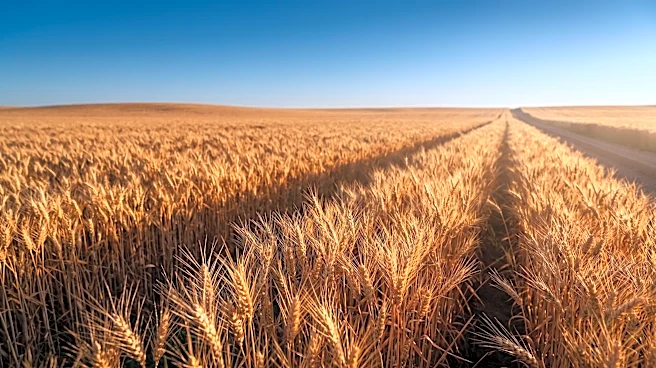
The U.S. seed industry, particularly in the Central Plains, is emphasizing strategic wheat variety selection for growers. This approach likens farm management to building a football team, where each variety plays a specific role in maximizing productivity
and managing risk. Growers are advised to consider their farm as the 'quarterback,' with everything else designed to support its performance. The selection process involves identifying 'offensive line' varieties, which are dependable winter wheat types that consistently produce year after year, offering strong disease resistance and reliability under varying conditions. Additionally, 'skill position' varieties are chosen for higher yield potential and better performance on quality ground, while 'deep threat' varieties offer tremendous yield potential when conditions are optimal, though they may require more intensive management. This comprehensive strategy aims to balance reliability with opportunities for high returns.
Why It's Important?
This strategic approach to wheat variety selection is crucial for the U.S. agricultural sector, particularly for wheat growers facing fluctuating environmental conditions and market demands. By diversifying wheat varieties, farmers can mitigate risks associated with disease outbreaks, adverse weather, and soil variations, thereby ensuring more stable yields and economic returns. The emphasis on foundational, skill-position, and deep-threat varieties allows for a tailored approach to farm management, optimizing resource allocation and input use. This strategy can lead to increased profitability for individual farmers and contribute to the overall resilience and productivity of the U.S. wheat supply chain. Furthermore, the integration of herbicide-tolerant varieties addresses weed pressure, enhancing the effectiveness of farming practices and potentially reducing yield losses, which is vital for maintaining food security and agricultural competitiveness.
What's Next?
Growers in the Central Plains and other wheat-producing regions are expected to finalize their wheat variety selections based on these strategic considerations. The ongoing scouting for varieties that offer consistent yield performance, strong disease resistance, and adaptability to local conditions will continue. There will likely be a sustained focus on integrating new breeding techniques and technologies to develop even more robust and high-yielding wheat varieties. Furthermore, the industry may see increased adoption of herbicide-tolerant varieties to combat weed challenges effectively. Agricultural extension services and seed companies will likely continue to provide guidance and data to help farmers make informed decisions, ensuring that the 'balanced team' approach to variety selection becomes a standard practice for optimizing wheat production and managing agricultural risks.
Beyond the Headlines
The analogy of building a football team for wheat variety selection highlights a broader trend in modern agriculture: the increasing sophistication of farm management through strategic planning and data-driven decisions. This approach moves beyond traditional farming methods by integrating risk management and optimization principles, reflecting a shift towards more resilient and sustainable agricultural practices. The emphasis on balancing reliability with high-potential varieties underscores the economic pressures faced by farmers and the need for innovative solutions to maintain profitability. This strategic framework could also influence other agricultural sectors, promoting a more holistic and analytical approach to crop management. Ultimately, it signifies a deeper understanding of ecological and economic interdependencies in agriculture, aiming to secure long-term productivity and environmental stewardship.