






What's Happening?
Managing gout, a form of inflammatory arthritis, involves dietary changes to lower uric acid levels. The condition is caused by the buildup of monosodium urate crystals in the joints, often due to high blood uric acid levels. Key dietary strategies include
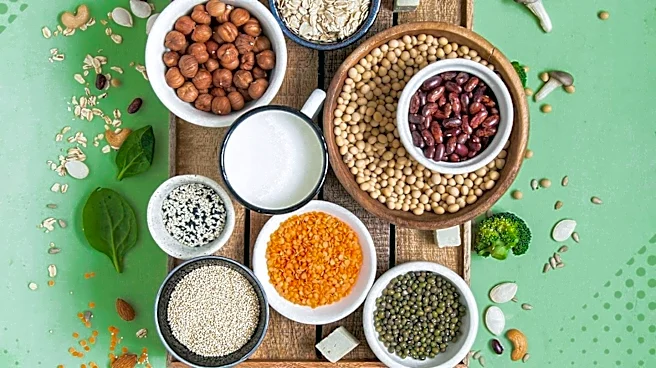
reducing the intake of high-purine foods such as red meat, organ meats, and certain seafood, while increasing the consumption of low-purine foods like low-fat dairy, fruits, vegetables, whole grains, nuts, and legumes. Additionally, limiting alcohol and sugary beverages is crucial, as they can increase uric acid levels. Plant-based proteins like edamame, lentils, and tofu are recommended as safe alternatives.
Why It's Important?
Diet plays a crucial role in managing gout, as certain foods can trigger painful flare-ups by increasing uric acid levels. By adopting a diet low in purines and high in nutrient-rich foods, individuals can reduce the frequency and severity of gout attacks. This approach not only helps manage symptoms but also supports overall health by promoting a balanced diet. Understanding the impact of diet on uric acid levels empowers individuals to make informed food choices, potentially improving their quality of life and reducing the need for medication.