





What's Happening?
Mondelēz International, PepsiCo, and pladis are participating in a Belgium-wide trial to test the effectiveness of invisible digital watermarks in improving the recycling of flexible food packaging. This project aims to address a significant barrier to circular
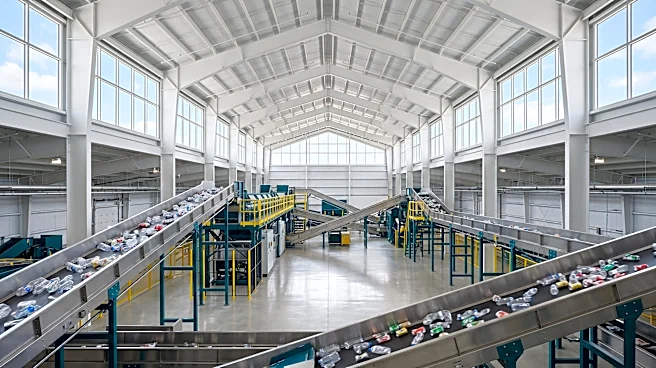
food packaging by enabling sorting systems to accurately identify and sort flexible plastics, particularly those that once contained food. Digital watermarks, imperceptible codes added during the printing process, are read by specialized sorting equipment to determine material type and whether the packaging was used for food. The trial is part of the HolyGrail 2030 – Circular Packaging Consortium, an initiative involving approximately 79 companies and organizations focused on intelligent sorting and new recycling technologies. The Belgian sorting trials are led by Fost Plus, with sorted film bales sent to a German sorting center where high-resolution cameras read the watermarks.
Why It's Important?
This collaboration is crucial for the U.S. food and packaging industries, as it explores a scalable solution for a complex sustainability challenge. Flexible plastic packaging is notoriously difficult to recycle into high-quality, food-grade applications due to identification and sorting issues. If successful, digital watermarking could significantly improve recycling rates and the availability of recycled content for food packaging, which is becoming increasingly important with new regulations like the European Packaging and Packaging Waste Regulation introducing recycled content requirements by 2030. For U.S. companies, this trial provides valuable insights into advanced recycling technologies that could eventually be adopted domestically, helping them meet their own sustainability goals and consumer demands for eco-friendly packaging. It also highlights the necessity of cross-industry collaboration to achieve circular economy objectives.
What's Next?
The ongoing trial in Belgium will continue to assess the performance of digital watermarking on flexible food packaging in real-world conditions. The insights gained from this project will be critical in determining the feasibility and scalability of this technology for broader implementation. If proven effective, the consortium will likely advocate for the adoption of digital watermarking across the packaging industry, potentially influencing future packaging design standards and recycling infrastructure development in the U.S. and globally. The project's findings will also inform discussions around policy and regulatory frameworks aimed at increasing recycled content in food-contact materials, pushing for more sustainable practices across the supply chain.
Beyond the Headlines
The digital watermarking initiative represents a deeper shift towards technologically advanced solutions for environmental challenges in the packaging sector. Beyond simply improving recycling rates, this technology could fundamentally change how materials are tracked and managed throughout their lifecycle, moving towards a more transparent and accountable circular economy. It raises questions about the role of data and digital identification in waste management and the potential for 'smart' packaging to contribute to sustainability. Furthermore, the collaboration between major food and beverage companies underscores a growing recognition that individual corporate efforts are insufficient to tackle systemic environmental problems, necessitating collective action and shared innovation to drive meaningful change in global supply chains.