





What's Happening?
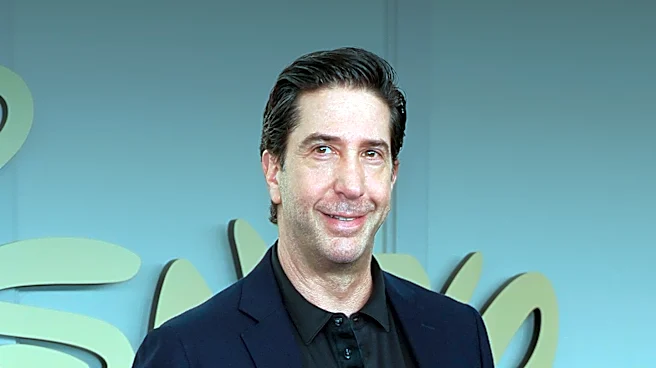
Fashion retailer Quince is facing calls for a boycott after featuring Jewish actor David Schwimmer in a recent advertisement. The advert, released on November 9, is a nostalgic reference to a classic 'Friends' episode. However, pro-Palestine social media
users have condemned Quince, citing Schwimmer's history of supporting Israel. Comments on social media include users stating they 'don't want a Zionist in ads' and expressing intentions to boycott the company. One user, who claimed to have spent thousands with Quince, stated, 'I don’t approve of you featuring a Zio in your ad. Please do better.' Another comment controversially linked the color of a sweater in the ad to 'red as in the blood of all the murdered Palestinians by the IDF.'
Why It's Important?
This incident highlights the increasing intersection of celebrity endorsements, corporate branding, and geopolitical conflicts, particularly concerning the Israeli-Palestinian issue. For U.S. businesses like Quince, aligning with public figures who hold strong political stances can lead to significant backlash from consumer segments. The calls for boycott, even if from a vocal minority, can impact brand reputation and sales, especially in an era where social media amplifies such movements rapidly. It underscores the challenge for companies to navigate a diverse and politically charged consumer landscape, where perceived affiliations can trigger immediate and strong reactions, potentially affecting their market standing and public image.
What's Next?
Quince will likely need to assess the impact of these boycott calls on its brand and sales. The company may choose to issue a statement addressing the controversy, either defending its choice of endorser or attempting to de-escalate the situation. The incident could also prompt other brands to re-evaluate their celebrity endorsement strategies, particularly when considering individuals with known political leanings. Social media activism surrounding the Israeli-Palestinian conflict is expected to continue, meaning companies will remain under scrutiny for their perceived stances or associations, potentially leading to more frequent and intense consumer-led campaigns.
Beyond the Headlines
The controversy surrounding Quince and David Schwimmer reflects a broader trend where consumer activism is increasingly targeting companies based on the political or social views of their associates. This goes beyond traditional product-based boycotts, extending to the personal beliefs of individuals involved in advertising campaigns. It raises questions about the extent to which public figures' personal political views should influence their professional engagements and the responsibility of brands to anticipate such reactions. The incident also underscores the deep polarization surrounding the Israeli-Palestinian conflict, where even seemingly innocuous commercial endorsements can become flashpoints for intense debate and protest, highlighting the pervasive nature of this geopolitical issue in everyday consumer culture.