






What's Happening?
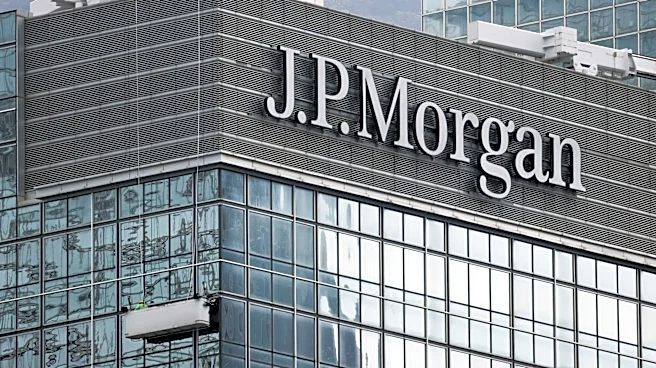
JPMorgan Chase continues to trade at a premium valuation compared to its banking peers like Citigroup and Wells Fargo. The financial institution's shares are trading at over 12 times forward earnings and more than twice book value, which is approximately
double that of some competitors. This premium is attributed to several factors, including JPMorgan Chase's above-average profitability, its consistent track record of dividend growth over decades, and the strong reputation of its Chief Executive Officer, Jamie Dimon. The company has increased its dividend for 16 consecutive years, with an average increase of about 10% over the past five years. Despite a lower forward dividend yield of approximately 2.1% compared to many of its peers, the underlying factors supporting its valuation are expected to sustain its appeal to investors. To generate $6,000 annually in dividend income, an investment of approximately $282,100, or about 910 shares, would be required based on the current dividend payout of $6.60 per share annually.
Why It's Important?
JPMorgan Chase's sustained premium valuation highlights its perceived stability and strong financial health within the U.S. banking sector. This performance indicates investor confidence in its business model and leadership, particularly under Jamie Dimon. The bank's ability to consistently increase dividends for 16 years signals robust financial management and a commitment to shareholder returns, which can attract long-term investors seeking reliable income streams. For the broader financial market, JPMorgan Chase's valuation can serve as a benchmark, influencing how other large financial institutions are perceived and valued. Its continued profitability and growth trajectory suggest a positive outlook for the financial services industry, potentially encouraging investment and economic stability. Any significant shift in these underlying factors, such as a change in leadership or a decline in profitability, could have ripple effects across the sector.
What's Next?
JPMorgan Chase is expected to continue its strategy of maintaining above-average profitability and consistent dividend growth. Should these underlying factors persist, the bank's valuation premium is likely to be sustained, allowing its shares to climb in tandem with earnings growth. Investors will closely monitor the bank's earnings reports and dividend announcements for any changes in its financial performance or payout policies. The potential for Jamie Dimon's eventual retirement is a significant factor that could impact the stock's valuation, as his leadership is a key component of the bank's reputation. Any unexpected earnings slip-ups could also disrupt the current trend. However, as long as the favorable conditions remain, JPMorgan Chase is positioned as a solid investment for those seeking growth at a reasonable price within the banking sector.
Beyond the Headlines
The sustained premium valuation of JPMorgan Chase reflects more than just financial metrics; it underscores the significant impact of leadership and corporate reputation in the financial industry. Jamie Dimon's long-standing tenure and respected standing contribute to a perception of stability and strategic foresight that is difficult to quantify but clearly influences investor sentiment. This phenomenon highlights the 'leadership premium' that can be attached to companies with strong, recognized figures at the helm. Furthermore, the bank's consistent dividend growth, even with a lower yield compared to peers, suggests a strategic balance between reinvestment for growth and direct shareholder returns. This approach could influence other financial institutions to prioritize long-term stability and consistent, albeit perhaps more modest, dividend increases over higher, potentially less sustainable, yields. The market's willingness to pay a premium for JPMorgan Chase also indicates a preference for perceived quality and reliability in a sometimes volatile financial landscape.