




What's Happening?
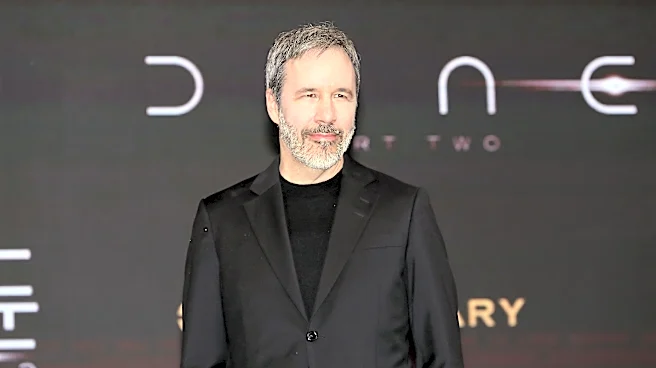
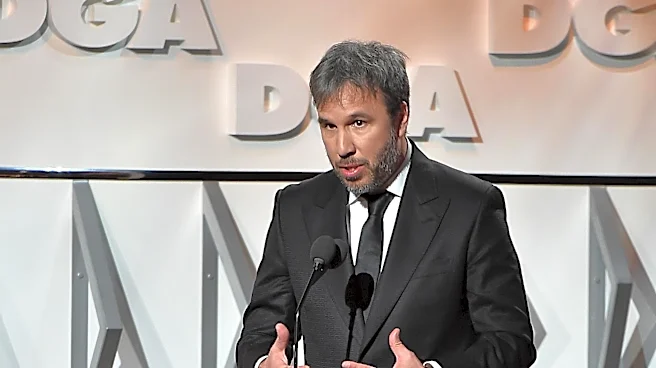
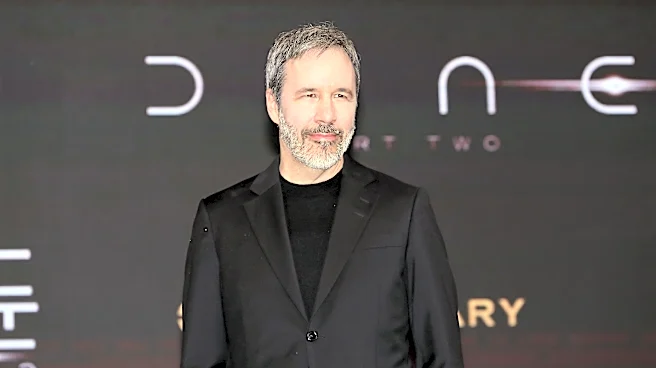
Director Denis Villeneuve has clarified why the upcoming third installment of his 'Dune' film series is titled 'Dune: Part Three' instead of 'Dune: Messiah,' despite adapting Frank Herbert's second novel, 'Dune Messiah.' Villeneuve stated in an interview
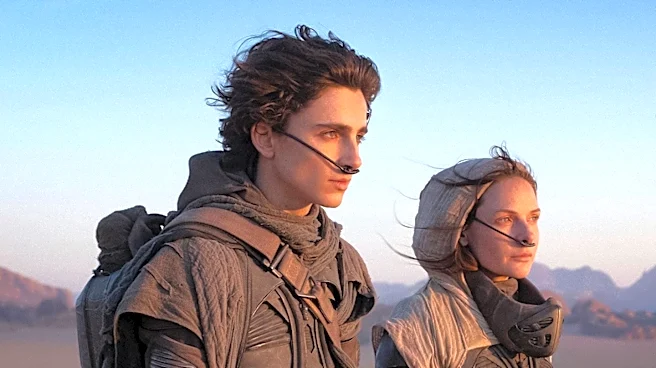
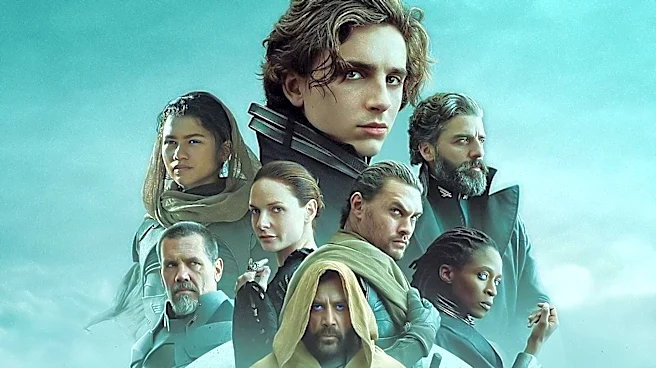
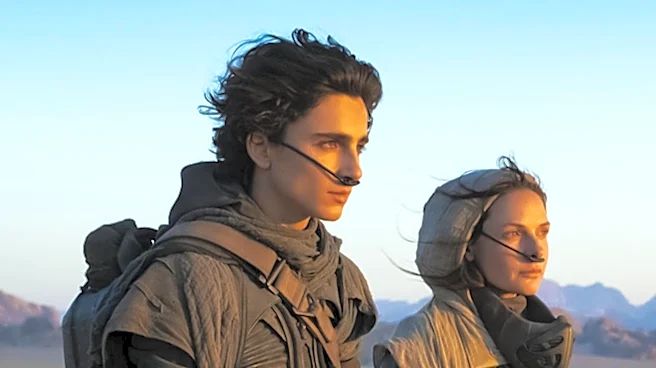
with TIME that his adaptation significantly deviates from the source material, making the original title disingenuous. He described the book as a 'chamber piece' that was complex, paranoid, and not well-received by many 'Dune' readers. Villeneuve highlighted major changes, such as expanding a single sentence in the book into a 15-minute opening battle sequence in the film. Additionally, the film will alter Chani's character arc, depicting her departure from Paul after his agreement to marry Princess Irulan, a significant divergence from the books where she remains devoted. 'Dune: Part Three' is scheduled to be released in theaters on December 18, 2026, and will depict Paul Atreides as the Padishah Emperor, facing opposition and a secret conspiracy nineteen years after the events of 'Dune: Part Two.'
Why It's Important?
This announcement is significant for fans of the 'Dune' franchise and the broader film industry, as it signals a creative direction that prioritizes cinematic adaptation over strict adherence to source material. Villeneuve's decision to rename the film and significantly alter plot points, particularly Chani's arc, indicates a bold artistic interpretation that could either broaden the appeal of the series or alienate purist fans of Frank Herbert's novels. The film's release date in late 2026 positions it as a major contender in the holiday box office, potentially impacting other tentpole releases. The narrative changes, especially concerning Paul's reign and Chani's role, suggest a more dynamic and perhaps more accessible story for a wider audience, moving beyond the more introspective and less action-oriented nature of the 'Dune Messiah' novel. This approach could set a precedent for future adaptations of complex literary works, emphasizing the director's vision in translating text to screen.
What's Next?
With the release date set for December 18, 2026, anticipation will build as production details, casting announcements, and promotional materials begin to emerge. Audiences can expect further insights into how Villeneuve's vision will reshape key narrative elements and character developments from 'Dune Messiah.' The film's plot, which involves Paul Atreides as the Padishah Emperor waging a jihad and facing conspiracies, suggests a grand scale of conflict and political intrigue. The altered arc for Chani will likely be a major point of discussion among fans, leading to speculation about its implications for the overall story and character dynamics. The box office performance of 'Dune: Part Three' will be closely watched, especially given its holiday release slot, and will be a key indicator of the franchise's continued commercial and critical success. Further interviews with Villeneuve and the cast are expected to provide more details on the creative choices made for this installment.
Beyond the Headlines
Villeneuve's decision to significantly diverge from the source material in 'Dune: Part Three' raises broader questions about the nature of adaptation in contemporary cinema. It highlights the tension between fidelity to original texts and the demands of cinematic storytelling, audience expectations, and artistic interpretation. By explicitly stating that the book was 'depressing' and a 'chamber piece,' Villeneuve implicitly argues for the necessity of transforming literary works to suit the visual and narrative conventions of film. This approach could spark renewed debates about the role of the director as an interpreter versus a faithful translator. Furthermore, the alteration of Chani's character arc, moving her away from unwavering devotion to Paul, could be seen as a contemporary re-evaluation of female characters in classic science fiction, potentially offering a more independent and complex portrayal that resonates with modern audiences. This creative freedom, while potentially controversial, underscores the evolving relationship between literature and its cinematic counterparts.