






What's Happening?
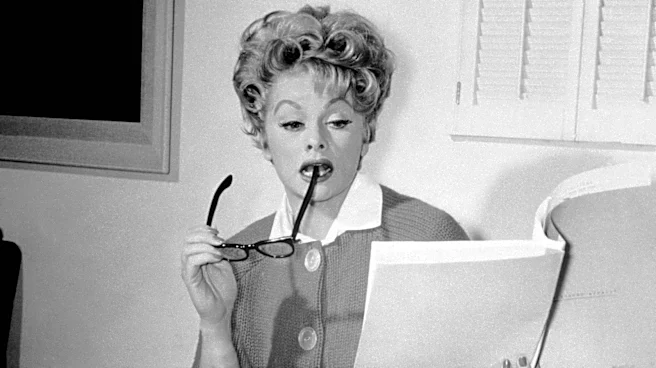
Lucille Ball, through her company Desilu Productions, played a crucial role in bringing the original Star Trek series to television. After her divorce from Desi Arnaz in 1960, Ball took full control of Desilu Productions by 1962. In 1964, Gene Roddenberry
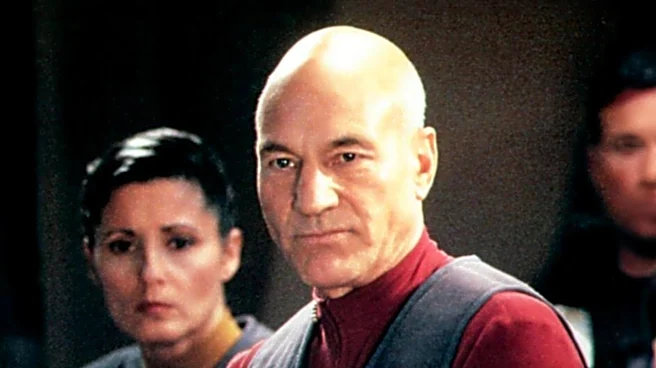
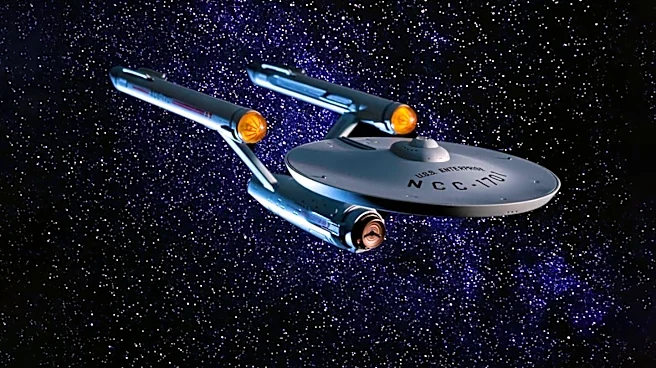
brought his concept for Star Trek to Desilu. The studio produced the first pilot, 'The Cage,' starring Jeffrey Hunter as Captain Christopher Pike and Leonard Nimoy as Spock. Although NBC initially declined to order the series based on this pilot, Desilu Productions, under Ball's leadership, secured a rare second chance. This led to the production of a second pilot, 'Where No Man Has Gone Before,' which introduced William Shatner as Captain James T. Kirk, with Nimoy reprising his role as Spock. This second pilot was successful, leading NBC to greenlight the Star Trek series in 1966. StarTrek.com credits Ball's support as a significant factor in the project's survival despite initial network rejection and internal resistance within Desilu.
Why It's Important?
Lucille Ball's involvement through Desilu Productions highlights the critical role of studio backing and executive vision in the development of iconic television franchises. Her decision to support Star Trek, even after an initial rejection from NBC and despite the project's expense, demonstrates a foresight that shaped the landscape of science fiction and popular culture. Without Desilu's commitment to a second pilot, the Star Trek universe as we know it might never have materialized. This historical context underscores how individual leadership within production companies can profoundly influence which creative projects receive the necessary resources and opportunities to succeed. The success of Star Trek not only established a multi-billion dollar franchise but also pioneered new storytelling in television, influencing countless subsequent shows and films in the sci-fi genre. This also illustrates the business acumen of Ball, extending her legacy beyond her acting career to that of a powerful media executive.
What's Next?
As Star Trek approaches its 60th anniversary in 2026, the legacy of Lucille Ball's contribution continues to be recognized and celebrated. Fans can revisit the origins of the franchise by streaming both original pilots, 'The Cage' and 'Where No Man Has Gone Before,' on Paramount+. This allows viewers to witness the foundational moments that led to the series' eventual success and appreciate the journey from concept to cultural phenomenon. The ongoing availability of these early episodes, alongside Ball's other iconic work like 'I Love Lucy' on the same streaming platform, reinforces the enduring impact of her decisions. The relationship between Star Trek and Paramount, which acquired Desilu in 1967, continues to this day, with Paramount+ serving as the primary streaming home for the extensive Star Trek catalog, ensuring that new generations can discover and engage with the franchise's rich history.
Beyond the Headlines
The story of Lucille Ball and Star Trek delves into the often-unseen complexities of television production and the power dynamics within studios. While Gene Roddenberry is rightly credited as the creator, Ball's role as a studio head demonstrates that creative vision alone is not always sufficient; it requires strategic business support to navigate network rejections and financial hurdles. This narrative challenges the simplistic view of creative genesis, revealing the intricate interplay between artistic talent, executive decision-making, and financial investment. It also highlights the pioneering role of women in leadership positions within the entertainment industry during a period when such roles were less common. Ball's willingness to take a risk on an unconventional science fiction concept, despite internal resistance, showcases a blend of artistic appreciation and shrewd business judgment that ultimately paid off, creating a cultural touchstone that continues to resonate globally.