




What's Happening?
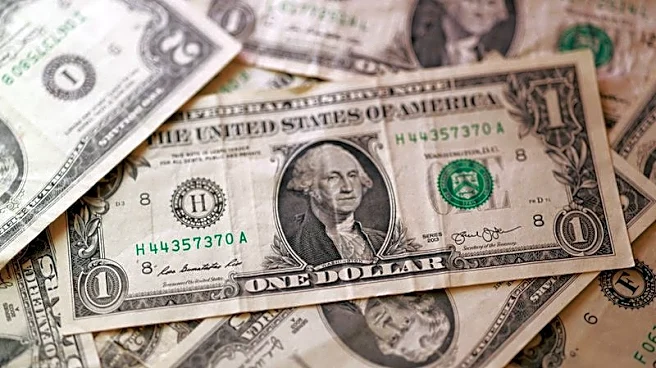
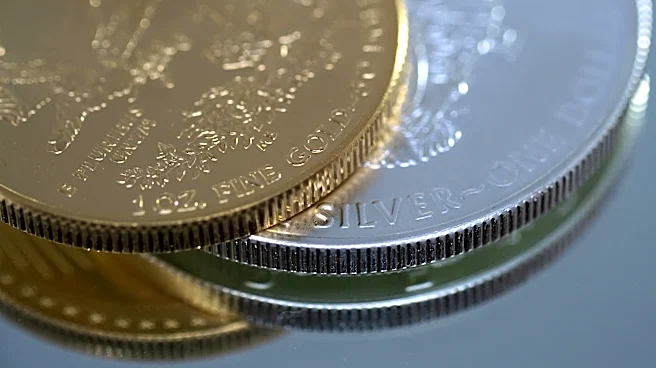
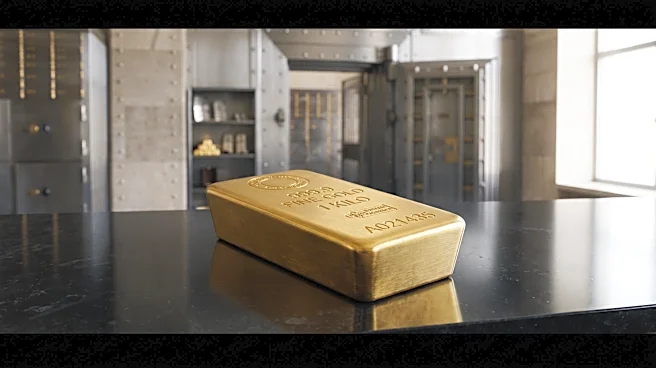
The U.S. dollar has continued its upward trajectory, reaching new upside targets, while gold has plunged below significant support levels, breaking the $3800 psychological barrier. Silver has also been affected, challenging the $4500 mark. These movements
occurred on Wednesday, November 18, 2026, with the dollar's advance confirming earlier technical projections. The dollar opened with a bullish gap at 103.40-103.57, pushing past Fibonacci resistance near 103.55 and reaching a new local high of 103.83. Concurrently, gold opened its Asian session with a bearish gap at 3856-3864, subsequently falling through the 3805-3828 support zone, below $3800, and beneath the weekly Fibonacci support near 3788. Platinum and palladium are also testing declining channel structures, and copper has experienced a significant setback below long-term support.
Why It's Important?
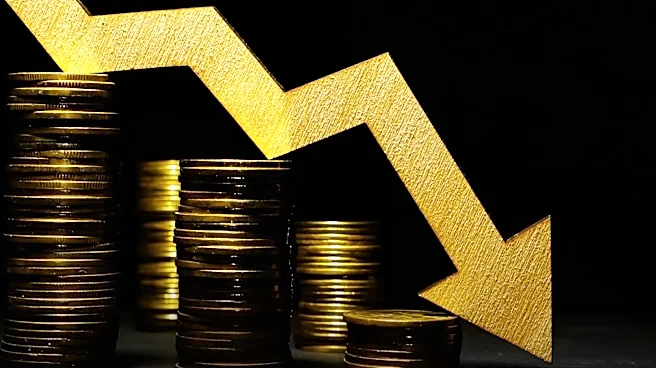
The strengthening U.S. dollar typically exerts downward pressure on dollar-denominated commodities like gold, as it makes them more expensive for holders of other currencies. This dynamic is currently playing out, contributing to gold's significant price drop. The breach of key psychological and technical support levels for gold, such as $3800, signals a bearish sentiment among traders and could lead to further declines. For investors, this indicates a shift away from safe-haven assets like gold, possibly towards assets that benefit from a stronger dollar or higher interest rates. The broad-based decline across precious metals (gold, silver, platinum, palladium) and industrial metals (copper) suggests a market-wide reaction to underlying economic factors, potentially related to monetary policy expectations or global economic outlook. The technical breakdowns observed across these markets indicate that sellers are currently dominating, reinforcing negative price action.
What's Next?
For the U.S. dollar, the next resistance zone to watch is 104.20-104.60, with bulls aiming to maintain the recent breakout. If the bullish gap at 103.40-103.57 remains unclosed, the dollar could continue its ascent. For gold, the next potential support area is identified between 3720-3730. Buyers need to confirm closure of Wednesday's bearish gap to mitigate further downside risk. The continued weakness in gold suggests that investors will be closely monitoring upcoming economic data and Federal Reserve announcements for any signs of a shift in monetary policy or economic sentiment that could alter the dollar's strength or gold's appeal. The technical indicators suggest that without a strong recovery, gold could face sustained selling pressure. Similarly, silver, platinum, palladium, and copper will be watched for their ability to hold current support levels or if they will continue their downward trends.
Beyond the Headlines
The current market movements reflect a broader narrative of shifting global economic confidence and monetary policy expectations. A strong dollar often indicates investor confidence in the U.S. economy or a flight to safety amidst global uncertainties, paradoxically impacting traditional safe havens like gold negatively. The synchronized decline across various metals suggests that market participants are reacting to systemic factors rather than isolated commodity-specific news. This could include expectations of higher interest rates, which increase the opportunity cost of holding non-yielding assets, or a general reassessment of global growth prospects. The technical analysis highlights the importance of key price levels and chart patterns in guiding trading decisions, as breaches of these levels can trigger significant follow-on selling or buying. This period of market volatility underscores the interconnectedness of currency and commodity markets and the profound influence of macroeconomic trends.