
What's Happening?
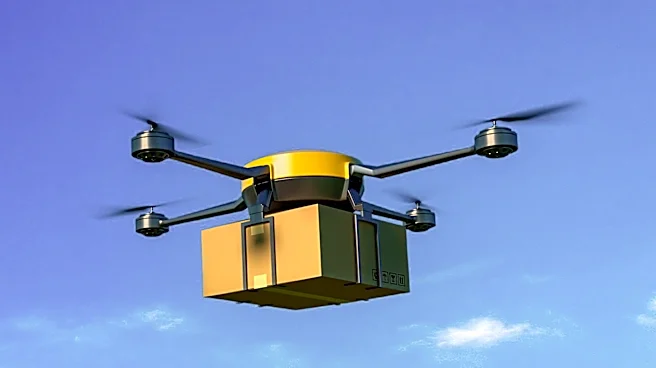
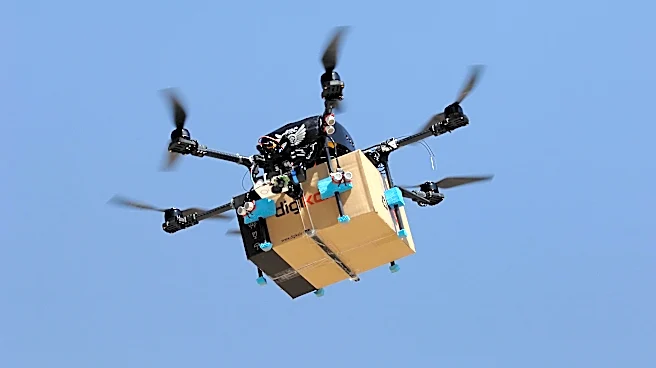
Wing Aviation, an Alphabet-owned drone delivery company, has filed a patent application detailing a package designed for automated handling within its delivery networks. This development, reported by DRONELIFE,
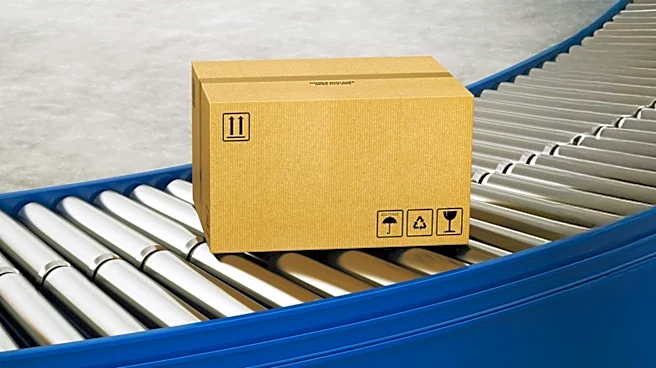
signifies a strategic shift in the drone delivery industry's focus. While previous efforts concentrated on aircraft performance, navigation, and regulatory approvals, Wing's patent highlights packaging as a critical, yet often overlooked, component for achieving efficiency at scale. The patent describes a package intended to streamline processes from fulfillment points to aircraft and customer drop zones, aiming to reduce bottlenecks caused by difficult-to-handle parcels. This move indicates a broader investment in ground-side logistics, suggesting that the physical design of packages is now considered as crucial as the drone technology itself for commercial viability.
Why It's Important?
This patent application underscores a maturing phase in the commercial drone delivery sector. By focusing on package design for automated handling, Wing Aviation is addressing a key operational challenge: consistency and throughput. In high-volume delivery systems, inefficiencies in package handling can significantly impact turnaround times and overall operational costs. A standardized, machine-friendly package design can reduce the need for manual intervention, minimize handling errors, and ensure predictable aircraft turnaround times. This approach is vital for fleet operators and logistics providers who aim to scale their operations cost-effectively. The patent signals that competitive advantage in drone delivery will increasingly depend on optimizing the entire delivery chain, not just the aerial component, affecting how companies invest in infrastructure and operational workflows.
What's Next?
The focus on packaging design suggests that future advancements in drone delivery will involve tighter integration between aircraft technology and ground logistics systems. Companies in the sector may increasingly invest in proprietary packaging solutions or collaborate with packaging manufacturers to develop standardized, automation-compatible designs. This could lead to new industry standards for package dimensions, materials, and handling features, influencing procurement decisions for commercial drone buyers and fleet managers. Furthermore, as delivery networks standardize their handling equipment and package formats, the drones themselves may experience more predictable wear patterns, potentially leading to more stable maintenance schedules and clearer repair expectations for commercial fleets. This shift could also drive innovation in automated loading and sorting technologies at fulfillment centers.
Beyond the Headlines
Wing's patent application reveals a deeper strategic evolution within the drone delivery industry, moving from a hardware-centric model to a systems-based approach. This shift mirrors patterns observed in other logistics sectors, where packaging standardization often follows initial technological breakthroughs to unlock greater efficiency and cost savings at scale. The ability to patent and optimize packaging transforms it into a defensible intellectual property and a competitive differentiator. This could lead to a more fragmented market where companies gain advantages not just through superior drone technology, but also through proprietary ground infrastructure and package handling systems. Ethically, this could raise questions about standardization and interoperability across different drone delivery providers, potentially creating barriers for smaller entrants if proprietary systems become dominant.