






What's Happening?
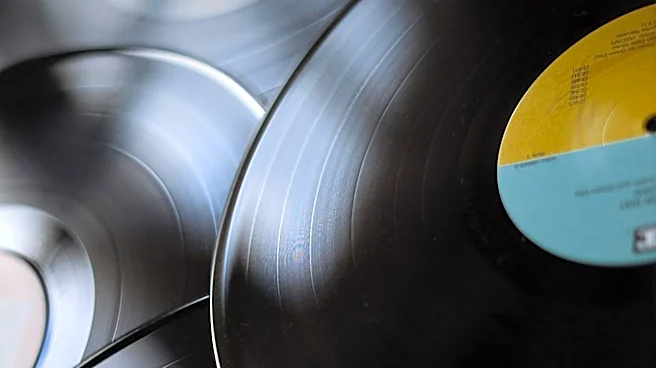
Despite the widespread availability and convenience of music streaming services, there is a growing trend, particularly among younger generations, to embrace physical music formats like CDs and vinyl records. This shift is driven by a desire for tangible
ownership, a deeper connection to the music and artists, and a preference for the perceived higher sound quality of physical media. Retailers like Flat, Black & Circular (FBC) and The Record Lounge in Michigan have observed a significant increase in CD sales in recent years, a format that was once thought to be in decline. Many young consumers are opting for physical albums to avoid issues such as music disappearing from streaming platforms due to licensing changes and to experience the art of album covers and liner notes. This resurgence is also linked to a broader cultural movement seeking to reduce screen time and engage with media in a more deliberate and communal way.
Why It's Important?
This trend has significant implications for the U.S. music industry, challenging the long-held assumption that digital streaming would completely supersede physical media. For artists, the renewed interest in physical formats offers an additional revenue stream and a way to connect with fans on a more personal level, potentially fostering stronger fan loyalty. For retailers, it signifies a revitalization of the physical music market, creating opportunities for specialized stores and independent businesses. Economically, it suggests a diversification of consumer spending within the music sector, moving beyond subscription-based models to include direct purchases of physical products. This shift also highlights a generational preference for ownership and tangible experiences, which could influence product development and marketing strategies across various entertainment industries. The perceived higher audio quality of physical media also underscores a growing audiophile culture, impacting demand for high-fidelity audio equipment.
What's Next?
The continued growth of physical music sales could lead to increased production and distribution of CDs and vinyl records, potentially influencing record labels to invest more in these formats. Retailers may expand their physical media offerings and create more community-focused spaces, such as record bars, to cater to this demand. Artists might increasingly release exclusive content or special editions on physical media to attract collectors and dedicated fans. This trend could also spur innovation in physical media packaging and presentation, enhancing the overall aesthetic and experiential value. Furthermore, the emphasis on sound quality could drive advancements in audio technology and consumer electronics, as listeners seek to optimize their physical music playback experience. The long-term impact may see a more balanced ecosystem where streaming and physical media coexist, each serving distinct consumer preferences and artistic needs.
Beyond the Headlines
The return to physical music media reflects a deeper cultural yearning for authenticity, permanence, and a break from the ephemeral nature of digital consumption. In an age where digital content can be easily removed or altered, owning a physical album provides a sense of stability and control. This movement also speaks to a desire for intentional engagement, contrasting with the passive consumption often associated with endless scrolling through digital libraries. Ethically, it raises questions about digital ownership and the rights of consumers in the streaming era. Culturally, it fosters a sense of nostalgia for older generations while offering a novel and tactile experience for younger ones, creating intergenerational connections through shared appreciation of music. This trend could also be seen as a form of quiet rebellion against the pervasive digital landscape, advocating for a more mindful and sensory interaction with art and entertainment.