




What's Happening?
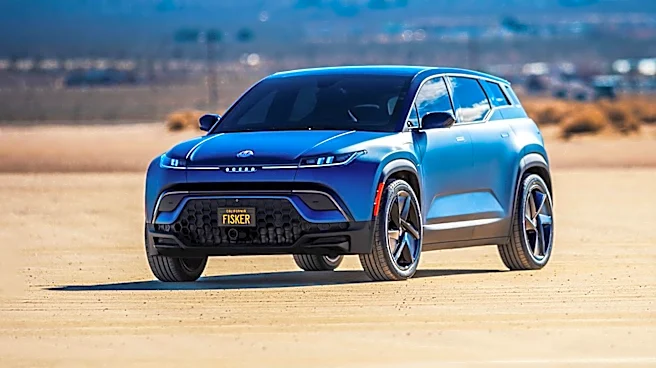
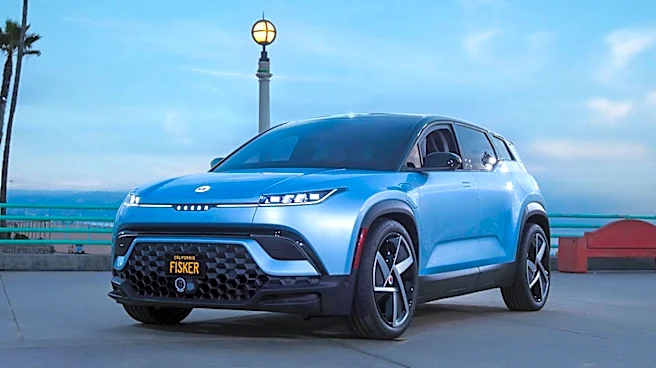
Fisker Inc., an electric vehicle company founded with the aim of creating design-led electric vehicles, entered bankruptcy proceedings in 2024. The company's most prominent product was the Fisker Ocean, an electric SUV designed to merge distinctive aesthetics
with contemporary EV technology. Despite its ambitious vision, Fisker Inc. faced significant challenges, including considerable financial strain, and difficulties related to production, vehicle deliveries, and overall business sustainability. This marks a critical point for the company, highlighting the intense pressures and complexities involved in the competitive electric vehicle market. The company's journey from a design-focused startup to bankruptcy underscores the capital-intensive nature of automobile manufacturing, the intricate supply chains, extensive regulatory requirements, and the financial severity that production issues can quickly escalate into.
Why It's Important?
The bankruptcy of Fisker Inc. is important for the U.S. automotive industry and the broader electric vehicle (EV) market. It illustrates the formidable barriers to entry and sustained operation for new automotive manufacturers, even those with compelling product concepts and experienced founders. This event could lead investors to exercise greater caution when funding EV startups, potentially consolidating the market around more established players or those with robust financial backing. For consumers, it highlights the risks associated with purchasing vehicles from newer companies, including concerns about long-term support, parts availability, and warranty fulfillment. The failure of Fisker Inc. also serves as a case study on the challenges of translating design innovation into a commercially viable and sustainable business model within a highly regulated and capital-intensive industry, impacting future entrepreneurial ventures in the sector.
What's Next?
Following its bankruptcy filing in 2024, Fisker Inc. will likely undergo a process of asset liquidation or restructuring, depending on the nature of the proceedings. This could involve selling off intellectual property, manufacturing facilities, or remaining vehicle inventory. The future of the Fisker Ocean and any other planned models is uncertain, with potential implications for existing owners regarding service, parts, and software updates. Competitors in the EV market may seek to acquire Fisker's technology or design patents, potentially integrating them into their own product lines. The outcome of the bankruptcy will also be closely watched by other emerging EV companies and investors, as it could set precedents for how financial distress is managed in this rapidly evolving sector and influence future investment strategies and market consolidation.
Beyond the Headlines
The collapse of Fisker Inc. extends beyond immediate financial and operational concerns, touching upon deeper implications for innovation and entrepreneurship in the automotive sector. It underscores the inherent tension between creative vision and the harsh realities of large-scale manufacturing and market competition. While Henrik Fisker, the founder, had a strong reputation for automotive design, the company's struggles demonstrate that design credibility alone is insufficient to guarantee business success in an industry demanding immense capital, complex supply chain management, and robust operational execution. This event could lead to a re-evaluation of the 'designer-as-founder' model in capital-intensive industries, emphasizing the need for a balanced leadership team with expertise in finance, operations, and regulatory compliance, alongside design and technological innovation. It also highlights the ethical considerations for founders and investors regarding the long-term viability and customer commitment of new ventures.