
What's Happening?
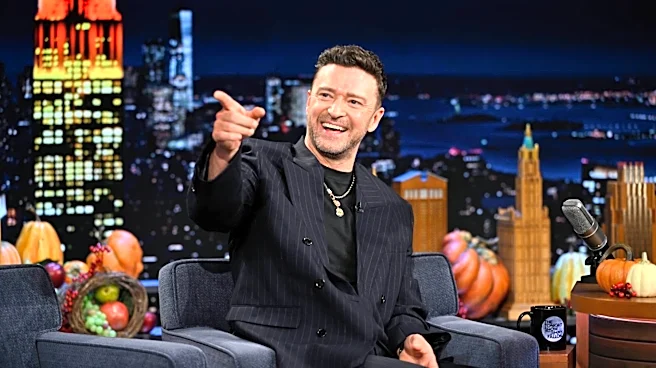
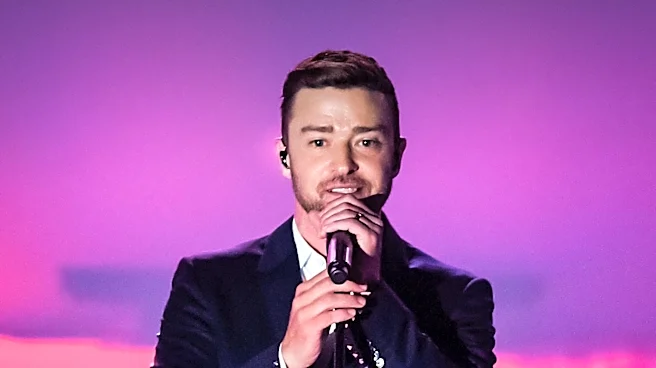
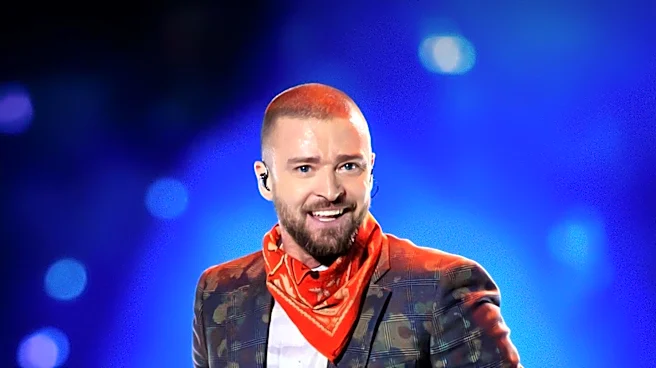
Justin Timberlake appeared on 'The Tonight Show' with Jimmy Fallon on November 26, where he discussed his initial hesitation to create his upcoming four-part documentary series, 'Timberlake.' The pop superstar,
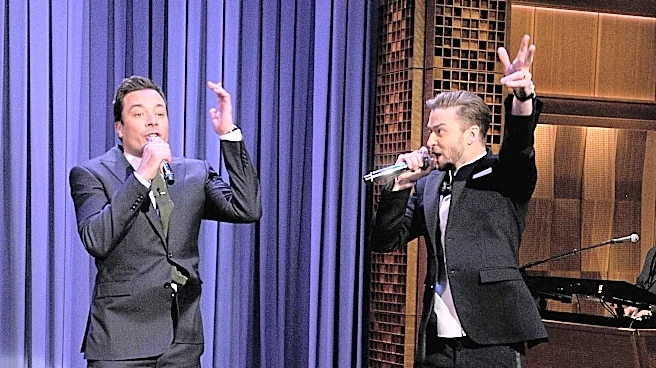
known for his private nature, revealed that he was reluctant to open up about his personal life for the Apple TV series, which premieres on December 11. He explained that director Fisher Stevens played a crucial role in convincing him to participate, as their conversations encouraged him to explore deeper aspects of his life. Timberlake shared that the past five years have significantly shaped him, making him a better person, father, husband, and friend. He hopes that his vulnerability in the docuseries will resonate with viewers who may be facing similar challenges, aiming to be a 'beacon of light.' The series will feature archival footage and interviews with his friends, collaborators, and family, including his wife Jessica Biel and mother Lynn Harless. During his appearance, Timberlake also celebrated the 20th anniversary of his album 'FutureSex/LoveSounds' with musical medleys performed at New York City’s Rainbow Room and participated in various comedy sketches with Fallon.
Why It's Important?
Timberlake's decision to open up about his personal life in a documentary marks a significant shift for an artist who has historically maintained a high degree of privacy. This move could influence other public figures to share more personal narratives, potentially fostering a greater sense of connection and authenticity between celebrities and their audiences. For fans, the docuseries offers an unprecedented look into the life and experiences of a major pop culture icon, potentially deepening their understanding and appreciation of his journey. The candid discussion about personal growth and challenges could also contribute to broader conversations about mental health and vulnerability in the public eye, encouraging viewers to reflect on their own experiences. Furthermore, the documentary's release on Apple TV highlights the continued trend of streaming platforms investing in high-profile celebrity content, aiming to attract and retain subscribers with exclusive, intimate portrayals of famous personalities. The anniversary celebration of 'FutureSex/LoveSounds' also underscores the enduring cultural impact of his music.
What's Next?
The four-part documentary series 'Timberlake' will premiere its first two episodes on Apple TV on December 11, followed by the third episode on December 18, and the finale on December 23. Following the release, there will likely be significant public discussion and media coverage surrounding the revelations made in the series, potentially leading to increased scrutiny or empathy towards Timberlake. The documentary's success could also influence future projects for Timberlake, potentially encouraging him to engage in more personal storytelling or advocacy. For Apple TV, the series is expected to be a significant draw, potentially boosting subscription numbers and reinforcing its position as a platform for premium, exclusive content. The candid nature of the documentary may also spark further interviews and discussions with Timberlake about his experiences and the themes explored in the series, offering more insights into his personal and professional life.
Beyond the Headlines
Timberlake's decision to share his vulnerabilities through a documentary reflects a broader cultural shift towards authenticity and transparency, even among high-profile individuals. This trend challenges the traditional celebrity persona, which often emphasized an idealized and impenetrable image. By revealing personal struggles and growth, Timberlake contributes to a more humanized perception of fame, potentially inspiring others to embrace their own narratives. Ethically, such documentaries raise questions about the boundaries of privacy and public interest, as artists navigate the line between sharing their truth and maintaining personal space. The series could also set a precedent for how celebrities engage with their past, offering a platform for reflection and self-redefinition. Culturally, it reinforces the power of storytelling as a means of connection and understanding, demonstrating how personal narratives can resonate on a universal level and foster a sense of shared human experience.