


What's Happening?
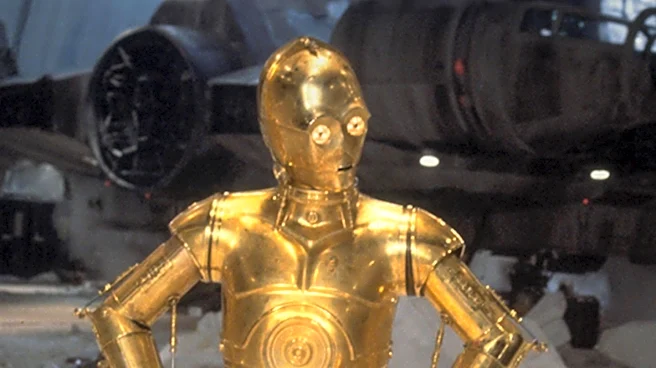
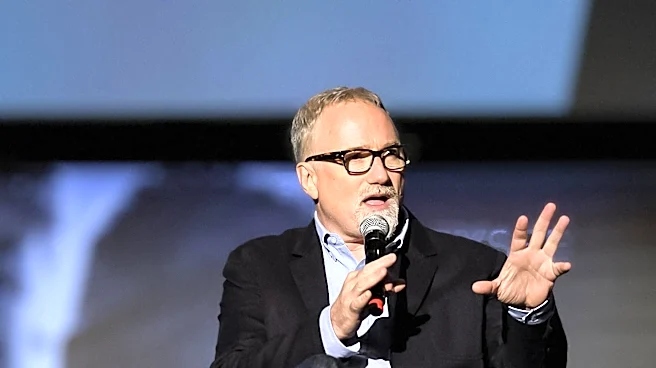
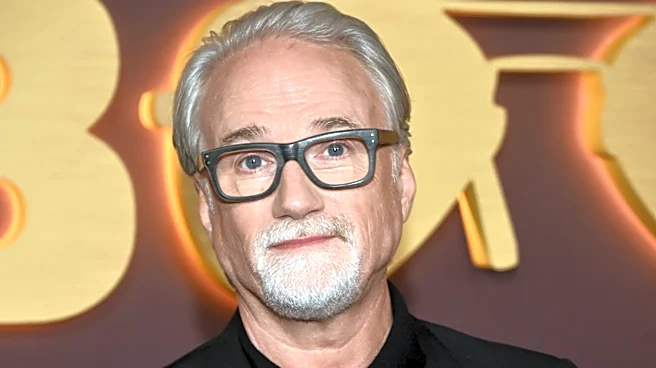
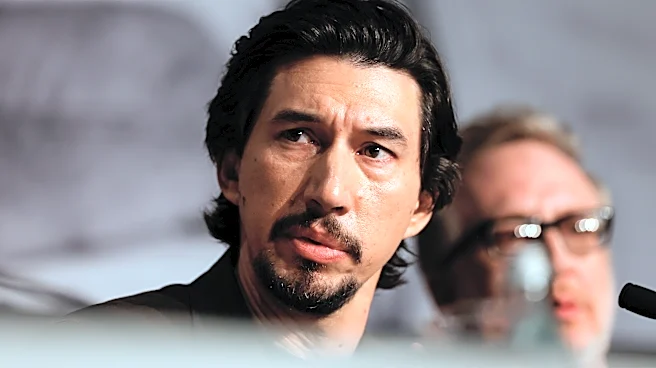
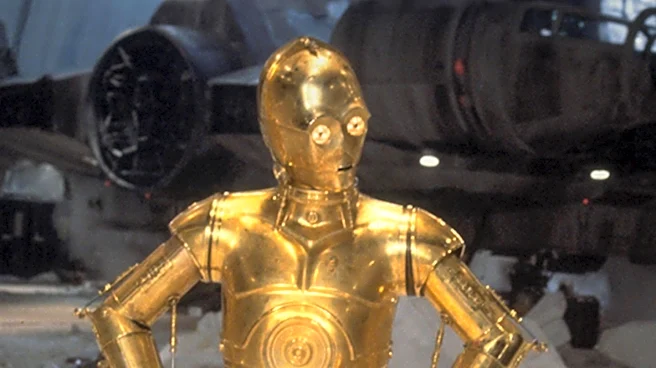
Renowned director David Fincher had a concept for a Star Wars film that would have focused on the droids C-3PO and R2-D2. This idea emerged from discussions Fincher had with former Lucasfilm President Kathleen Kennedy prior to Disney's acquisition of
Lucasfilm in 2012. Fincher's interest was in exploring the droids' perspective as 'slaves who would bear witness to the folly of man' throughout the Skywalker Saga. He viewed their peripheral role and observations, such as their capture by Jawas and subsequent sale, as crucial elements providing a moral judgment on the events unfolding around them. Fincher noted C-3PO's apparent understanding of the Empire's evil and his internal deliberation about forming a relationship with Luke Skywalker. However, Disney's $4 billion purchase of Lucasfilm ultimately led to the shelving of these plans, preventing Fincher's unique vision for the franchise from moving forward.
Why It's Important?
This revelation highlights a significant 'what if' moment in the Star Wars franchise's history, demonstrating how corporate acquisitions can alter creative trajectories for major intellectual properties. Had Fincher's vision materialized, it could have offered a radically different narrative approach to the Star Wars universe, shifting focus from the traditional Jedi and Skywalker narratives to the often-overlooked perspectives of its non-human characters. Such a film might have provided a fresh, perhaps more critical, lens on the saga's events, potentially appealing to a broader audience beyond existing fans. The decision to halt these plans underscores the strategic shifts that occur when large corporations like Disney integrate new assets, often prioritizing established formulas or new creative directions that align with their broader brand vision, thereby impacting the potential for diverse storytelling within beloved franchises.
What's Next?
While Fincher's specific pitch is no longer on the table, the disclosure of his concept could spark renewed interest among fans and creators in exploring alternative perspectives within the Star Wars universe. It might encourage future storytellers to consider narratives from the viewpoint of non-traditional characters, such as droids or other background figures, offering fresh interpretations of established lore. For Disney and Lucasfilm, this historical anecdote might serve as a point of reflection on the creative opportunities that were forgone, potentially influencing future development strategies for the franchise. However, there are no immediate indications that Fincher's specific concept will be revisited, as Disney continues to develop Star Wars content through various films and streaming series that largely adhere to established character arcs and timelines.
Beyond the Headlines
Fincher's proposed Star Wars film touches upon deeper themes of sentience, observation, and moral judgment from the perspective of artificial intelligence within a fictional universe. By positioning C-3PO and R2-D2 as witnesses to human folly, the concept implicitly critiques human nature and power dynamics through the eyes of those often considered subservient. This approach could have elevated the droids beyond mere comic relief or plot devices, transforming them into central figures of philosophical inquiry within the Star Wars narrative. The unfulfilled potential of this project also raises questions about creative freedom versus corporate control in large-scale media franchises, where unique artistic visions can be sidelined in favor of broader commercial strategies or established brand continuity. It underscores the ongoing tension between artistic innovation and the demands of a global entertainment conglomerate.