


What's Happening?
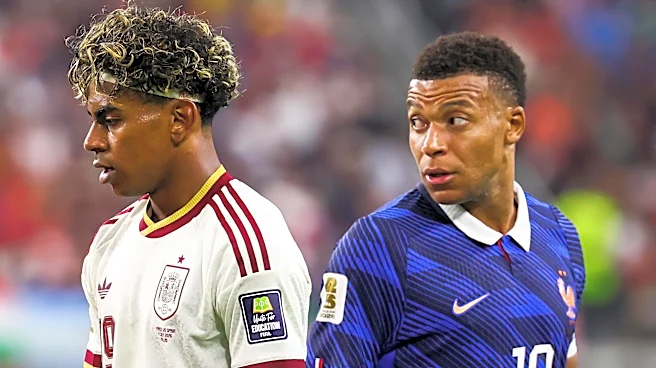
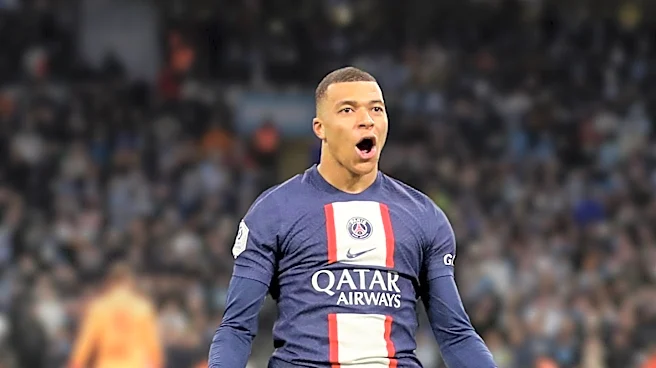
Kylian Mbappé, the renowned French soccer star, has concluded his nearly 20-year endorsement deal with Nike to sign a new partnership with the Swiss sportswear company On. This move marks a significant shift in the athletic apparel industry, as On, primarily
known for its running shoes and recent expansion into tennis with Roger Federer, aims to establish a strong presence in the highly competitive football market. Mbappé will serve as a global ambassador for On and will actively collaborate with the company's product development teams on new football footwear and apparel. The deal reportedly includes both cash and equity components, aligning Mbappé with On's long-term vision. This transition comes as On plans to launch its first football boots in 2027, with former French player Thierry Henry also involved as the company's director of football. Nike, which had partnered with Mbappé since he was nine years old, acknowledged the end of their relationship, while analysts note that this departure is part of a broader trend of increased competition in the sportswear sector.
Why It's Important?
This partnership is crucial for On as it seeks to challenge the long-standing dominance of giants like Nike, Adidas, and Puma in the global football market. Securing a high-profile athlete like Mbappé immediately grants On significant visibility and credibility, which is essential for a new entrant. For Nike, losing one of its most prominent football ambassadors, especially after also losing Spain's Lamine Yamal to Adidas, signals a potential shift in athlete endorsements and market share. While Nike maintains a strong position in football, this departure highlights the increasing competition and the need for continuous innovation and strategic partnerships. The success of On's venture into football will depend not only on Mbappé's star power but also on its ability to develop high-performance products, build distribution networks, and cultivate relationships with clubs and consumers. This move could reshape endorsement strategies within the sports industry, emphasizing equity stakes and collaborative product development over traditional sponsorship models.
What's Next?
On is set to launch its inaugural football footwear line in 2027, with Mbappé playing a key role in its development and promotion. The company will need to demonstrate that its products can compete at the elite level to convert Mbappé's star power into sustained sales and market penetration. Industry observers will be closely watching On's investor day, where the company is expected to outline its revenue projections and growth strategies for the coming years, particularly concerning its expansion into football. Nike, meanwhile, will likely continue to focus on its broader turnaround strategy, product innovation, and retaining its extensive roster of athletes and team sponsorships. The competitive landscape in sportswear is expected to intensify, with brands vying for top talent and market share. The effectiveness of On's strategy, which includes leveraging Mbappé's global appeal and Thierry Henry's football expertise, will be a significant test of whether a challenger brand can disrupt established leaders in a highly saturated market.
Beyond the Headlines
Mbappé's move to On signifies a broader trend in athlete endorsements, where top-tier athletes are increasingly seeking more than just traditional sponsorship fees. The inclusion of an equity component in Mbappé's deal reflects a growing desire for athletes to have a more vested interest and direct influence in the brands they represent. This model, similar to Roger Federer's involvement with On in tennis, suggests a shift towards deeper, more collaborative partnerships that extend beyond mere promotional duties. For On, this strategy aims to build a brand identity rooted in performance and innovation, leveraging the insights and credibility of elite athletes. The challenge for On will be to translate this high-profile endorsement into a sustainable business model in football, a sport with deeply entrenched brand loyalties and significant investment requirements. This development could also prompt other sportswear brands to re-evaluate their endorsement strategies, potentially leading to more athlete-centric and equity-based deals across the industry.