


What's Happening?
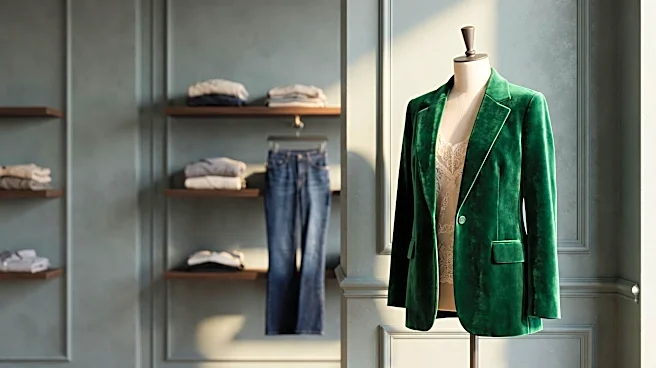
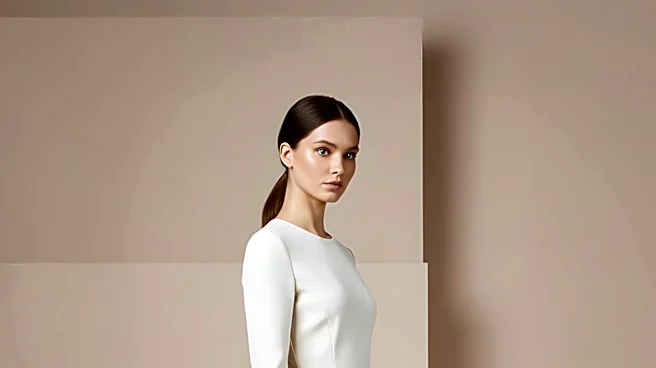
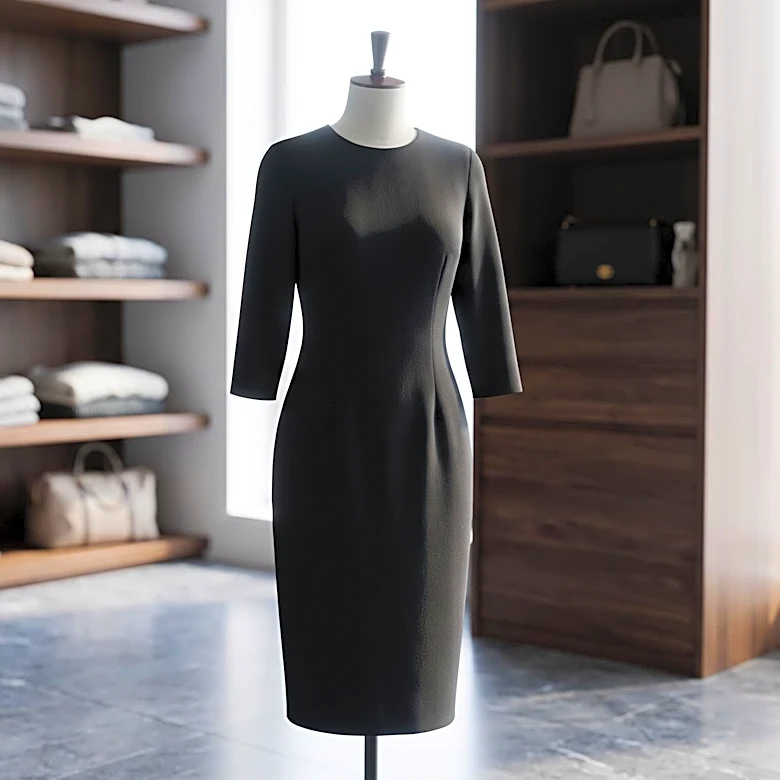
The fashion industry is witnessing a significant shift towards 'quiet luxury,' a style characterized by understated elegance, high-quality fabrics, and minimal branding. This trend prioritizes the intrinsic value of a garment through its material, fit,
and construction, rather than overt logos or bold prints. Celebrities and consumers are increasingly drawn to this aesthetic, which favors neutral tones, tailored silhouettes, and luxurious materials like cashmere and silk. Unlike the maximalist fashion that dominated the previous decade, quiet luxury focuses on longevity and timelessness, making pieces less susceptible to fleeting trends. This approach is seen as a move towards more discerning consumption, where quality and craftsmanship speak louder than visible brand recognition. The style has permeated both daytime wear and eveningwear, with clean-lined gowns and structured midis replacing heavily embellished designs.
Why It's Important?
The rise of quiet luxury signifies a broader cultural shift in consumer values, moving away from ostentatious displays of wealth towards more subtle and sophisticated expressions. This trend impacts the U.S. fashion industry by encouraging brands to focus on superior craftsmanship, sustainable materials, and timeless designs, potentially leading to a reduction in fast fashion consumption. For consumers, it promotes investment in fewer, higher-quality pieces that offer greater longevity and versatility, fostering a more sustainable wardrobe. This shift also influences marketing strategies, as brands must now emphasize product quality and design integrity over logo visibility. The appeal of quiet luxury to celebrities further amplifies its influence, shaping public perception of what constitutes true luxury and potentially driving demand for brands that embody this ethos. The emphasis on durability and classic styles could also lead to a more stable market for luxury goods, less dependent on seasonal trends.
What's Next?
The quiet luxury trend is expected to continue influencing fashion design and consumer purchasing habits. Brands will likely further invest in research and development of high-quality, durable materials and refined tailoring techniques. We may see an increase in collaborations between designers and textile innovators to produce more sustainable and luxurious fabrics. Retailers might adapt their merchandising strategies to highlight craftsmanship and material quality, offering more curated collections of timeless pieces. Consumers are likely to become more educated about fabric composition and construction, driving demand for transparency from brands. The trend could also extend beyond fashion into other luxury sectors, such as home goods and travel, as the desire for understated quality and exclusive experiences grows. Educational initiatives promoting conscious consumption and the value of investment pieces may also gain traction.
Beyond the Headlines
The quiet luxury movement reflects a deeper societal introspection regarding consumption and status. In an era of increasing digital visibility and social media influence, the choice to opt for unbranded, high-quality items can be seen as a form of 'stealth wealth' or a rejection of overt materialism. It suggests a desire for authenticity and personal style that transcends fleeting trends and external validation. This aesthetic also carries ethical implications, as the focus on durable, well-made items inherently supports more sustainable practices by reducing the need for frequent replacements. Culturally, it redefines luxury not as a brand name, but as an experience of comfort, quality, and personal satisfaction. This shift could empower consumers to develop a more personal and less brand-driven relationship with their possessions, fostering a sense of quiet confidence and discernment.