





What's Happening?
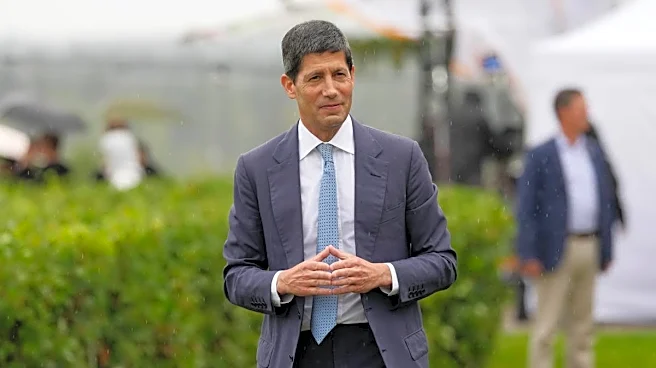
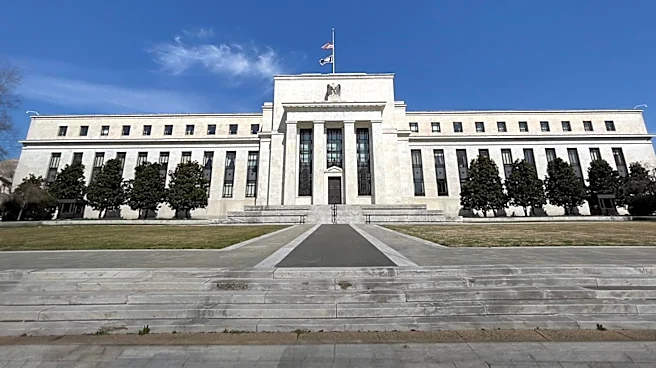
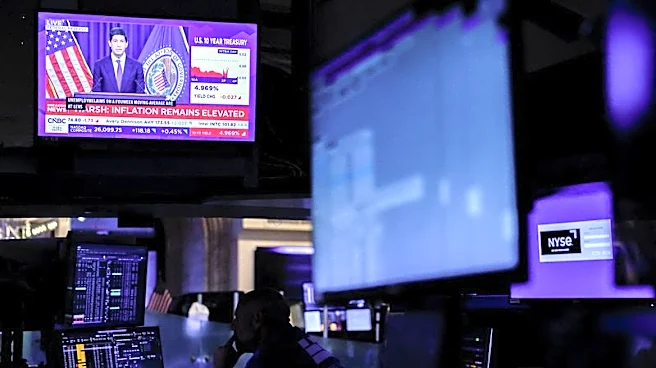
The Federal Reserve has increased its benchmark interest rate by 25 basis points, setting it in the 3.75% to 4% range. This marks the first rate adjustment under Fed Chair Kevin Warsh and comes despite repeated calls from President Trump for lower borrowing
costs. The decision was unanimous among the board of governors. The Fed's primary focus is on achieving price stability, with inflation remaining above its 2% target since 2021. The Consumer Price Index showed inflation at 3.4% in August, matching July's figures. The Fed also slightly raised its U.S. economic growth forecast for 2026 to 2.3%. Sixteen of the 19 board members anticipate another rate hike this year, indicating a longer course of treatment for inflation. This move defies President Trump's public statements, including his argument that the U.S. economy's strength should warrant the lowest interest rates globally.
Why It's Important?
This interest rate hike is significant as it directly counters the expressed wishes of President Trump, highlighting the Federal Reserve's commitment to its independence and its mandate for price stability. The increase will impact borrowing costs across the U.S. economy, affecting everything from mortgages and credit card rates to business loans. For retirement savers, this presents a challenge, as 'investment inflation' means the cost of building and maintaining wealth is increasing faster than typical cash earnings, according to Yuri Nosenko, a wealth advisor. While the Fed aims to curb inflation, the move could create a wider divide among consumers, with some insulated from higher rates while others are squeezed by increasingly expensive credit. The decision also comes just weeks before midterm elections, where high prices and affordability are central issues for voters, potentially influencing political outcomes.
What's Next?
The Federal Reserve's decision suggests that further interest rate hikes are possible this year, with 16 out of 19 board members anticipating another increase. This indicates a sustained effort to bring inflation down to the 2% target. The combination of persistent inflation, shifting market expectations, and ongoing pressure from the White House will keep Fed Chair Kevin Warsh under heightened scrutiny as the central bank considers its next moves. The impact of this rate hike on the broader economy, particularly consumer spending and business investment, will be closely monitored. Financial advisors will be crucial in helping individuals and families adjust their financial plans and retirement income strategies in response to these changing economic conditions, as rate changes affect various financial products like annuity crediting rates.
Beyond the Headlines
The Federal Reserve's decision to raise interest rates despite presidential pressure underscores the delicate balance between economic policy and political influence. This move reinforces the perception of the Fed's independence, a cornerstone of its credibility in managing the nation's monetary policy. However, it also sets the stage for potential political friction, especially given President Trump's past criticisms of the Fed's interest rate decisions. The broader implications extend to the global economy, as renewed fighting involving Iran and resulting spikes in oil and gas prices threaten to prolong inflation, complicating the Fed's efforts. The heavy investment in artificial intelligence data centers is also contributing to inflationary pressures, adding another layer of complexity to the economic landscape and potentially influencing future policy decisions.