






What's Happening?
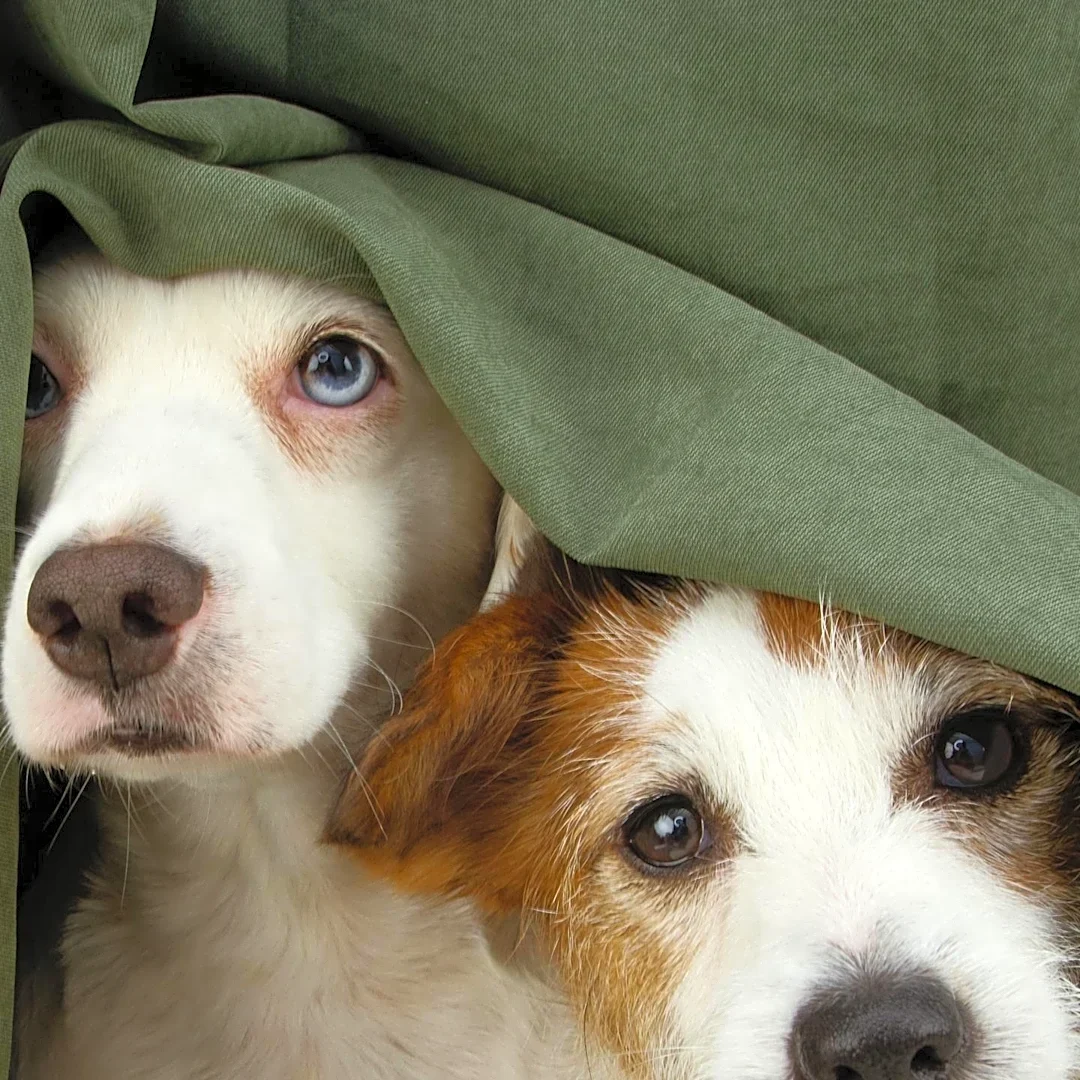
A growing number of biotech companies in the U.S. are offering advanced services to pet owners seeking to extend the lives of their animals or preserve their memory. These options include longevity drugs, pet cloning, and cryonics. U.S. startup Loyal
is developing three drugs aimed at increasing canine lifespan, with one, LOY-002, currently undergoing testing in approximately 1,300 senior dogs across the country. In January, U.S. regulators accepted Loyal's safety data for LOY-002, a step towards potential conditional approval in 2027. Other companies are also developing medications for age-related issues in dogs, such as obesity and arthritis, and even longevity treatments for cats. Additionally, Texas-based Viagen Pets offers pet cloning services for $50,000, creating a genetic twin of a deceased pet. For those looking to the future, companies like Alcor in Arizona provide cryonics services, freezing dead pets (and people) with the hope of future scientific revival.
Why It's Important?
The emergence of these biotech services for pets signifies a significant shift in how Americans view and interact with their animal companions, treating them increasingly like family members for whom no expense is too great. The development of longevity drugs for pets could revolutionize veterinary medicine, potentially extending the healthy lifespan of millions of animals and altering the emotional experience of pet ownership by delaying grief. The availability of cloning and cryonics, while controversial, reflects a deep human desire to overcome loss and maintain connections, even if only symbolically. This trend also opens up a new, potentially lucrative market within the biotech industry, attracting investment and research into animal health and life extension. However, it also raises ethical questions about the commodification of life, the potential for unrealistic expectations, and the societal implications of altering natural life cycles for pets.
What's Next?
Loyal is expected to apply for conditional approval for its longevity drug LOY-002 in 2027, which could make it one of the first FDA-approved drugs specifically designed to extend the lifespan of dogs. Further research and development in pet longevity drugs are anticipated, potentially leading to more options for various species and conditions. The market for pet cloning and cryonics is likely to expand, driven by demand from affluent pet owners, despite expert skepticism about the feasibility of revival in cryonics. As these technologies become more prevalent, there will likely be increased public discourse and regulatory scrutiny regarding their ethical implications, safety, and efficacy. Universities and research institutions may also delve deeper into the psychological impact of these services on pet owners and the welfare of cloned animals. The growth of this sector could also spur innovation in human longevity research, as advancements in animal models often precede human applications.
Beyond the Headlines
The rise of pet biotech services touches upon profound philosophical and ethical questions about life, death, and our relationship with animals. The desire to extend a pet's life or bring back a genetic copy reflects a societal struggle with mortality and grief, particularly in a culture where pets are deeply integrated into family structures. While these technologies offer comfort to some, they also raise concerns about the potential for creating a 'designer pet' culture, where animals are viewed as commodities rather than sentient beings. The high cost of cloning and cryonics also highlights issues of accessibility, making these options available only to a privileged few. Furthermore, the long-term psychological effects on children who might be taught that death is not final, as suggested by experts, warrant careful consideration. This trend could ultimately reshape our understanding of pet ownership, animal welfare, and the boundaries of biotechnological intervention.