





What's Happening?
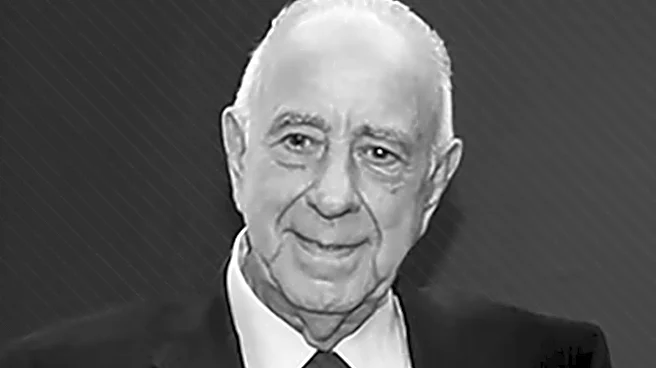
Paolo Bulgari, the Italian jeweler credited with transforming his family's business into a global luxury powerhouse, has died at the age of 89. The news was confirmed by his family and the Bulgari company, which is now part of the French LVMH group. Born
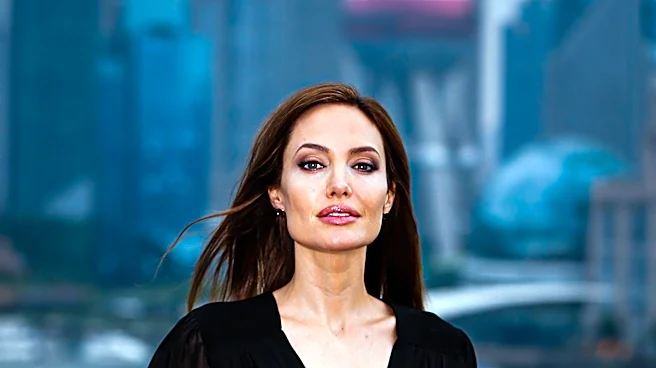
in Rome in 1937, Paolo Bulgari was the grandson of Sotirios Voulgaris, a Greek silversmith from the Epirus region who founded the Bulgari jewelry house in the late 19th century. Paolo joined the family business in 1960 and quickly established himself as a leading expert in precious stones. Working alongside his brother Nicola and nephew Francesco Trapani, he expanded the Roman jeweler into a global luxury group. Under his leadership as chair from 1984, the company experienced decades of growth, characterized by its distinctive Italian style and bold use of colored gemstones. The BVLGARI brand diversified into watches, perfumes, accessories, and hotels, opening stores in major international cities including New York, Paris, and Geneva. His designs were favored by numerous celebrities, from Elizabeth Taylor and Sophia Loren to Nicole Kidman and Angelina Jolie.
Why It's Important?
Paolo Bulgari's passing marks the end of an era for one of the world's most iconic luxury brands. His vision and expertise were instrumental in elevating Bulgari from a renowned Roman jeweler to a globally recognized luxury empire. His emphasis on distinctive Italian style and the innovative use of colored gemstones set trends within the high-end jewelry market and influenced the broader luxury industry. The expansion of Bulgari into various product categories like watches, perfumes, and hotels under his guidance demonstrated a successful diversification strategy that many luxury brands have since emulated. His leadership contributed significantly to the brand's strong presence in key global markets, including the United States, where Bulgari stores are prominent in major cities. The company's eventual sale to LVMH in 2011, a decision Paolo described as painful but necessary, highlights the evolving landscape of family-owned luxury businesses and the increasing consolidation within the global luxury sector. His legacy underscores the importance of craftsmanship, brand identity, and strategic expansion in building and sustaining a global luxury brand.
What's Next?
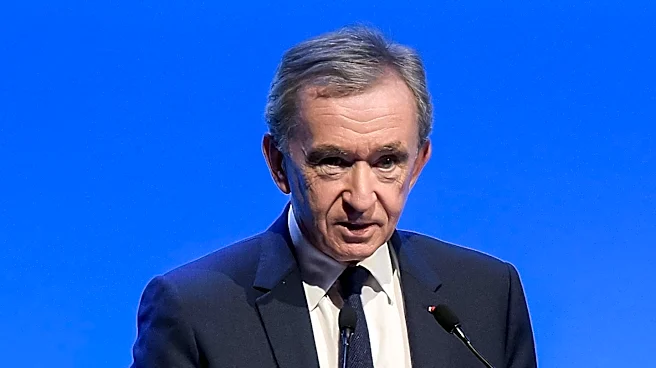
While Paolo Bulgari had already sold control of the company to LVMH in 2011, his death prompts reflection on the brand's continued trajectory under its current ownership. LVMH CEO Bernard Arnault has acknowledged Paolo's pivotal role in preserving Bulgari's Italian spirit and Roman heritage. The brand is expected to continue its strategy of global expansion and product diversification, leveraging its established reputation for luxury and craftsmanship. The influence of Paolo's design philosophy, particularly his bold use of colored gemstones and distinctive Italian aesthetic, will likely remain a core element of Bulgari's identity. The luxury market, including the high-end jewelry sector, continues to evolve with changing consumer preferences and economic conditions. Bulgari, as part of the LVMH portfolio, will navigate these dynamics, potentially exploring new markets, digital engagement strategies, and sustainable practices while maintaining its heritage of exclusivity and artistry. The brand's presence in major U.S. cities and its appeal to American consumers will remain a key focus for its ongoing growth.
Beyond the Headlines
Paolo Bulgari's life and career offer insights into the intricate balance between tradition and innovation in the luxury industry. Despite his association with immense wealth and glamour, he was known for his reserved demeanor and his enjoyment of serving customers directly at the historic Via Condotti boutique, often introducing himself simply as a salesman. This personal touch highlights a dedication to the craft and customer experience that is often a hallmark of enduring luxury brands. His decision to sell the family business to LVMH, though difficult, reflects a broader trend among heritage luxury houses facing the challenges of succession, global competition, and the need for significant capital investment to maintain market leadership. This move secured the company's future and protected its employees, illustrating the complex considerations involved in preserving a legacy. His continued sketching of jewelry designs almost until his death underscores a lifelong passion for artistry and creation, a fundamental element that drives the allure and value of high jewelry.