

What's Happening?
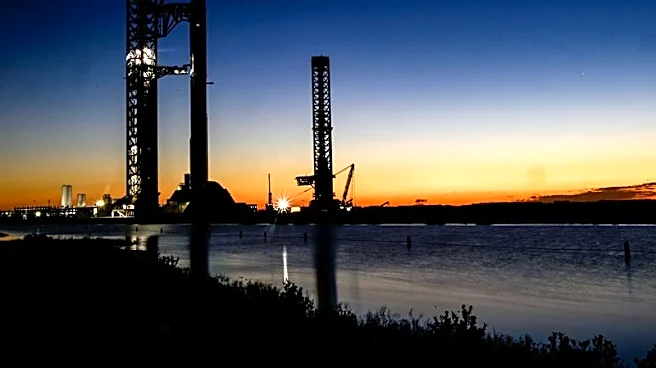
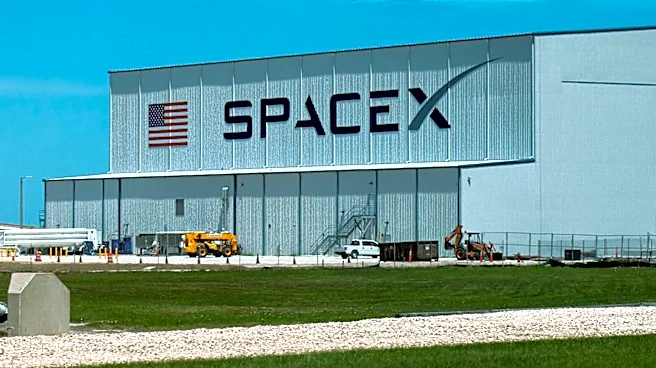
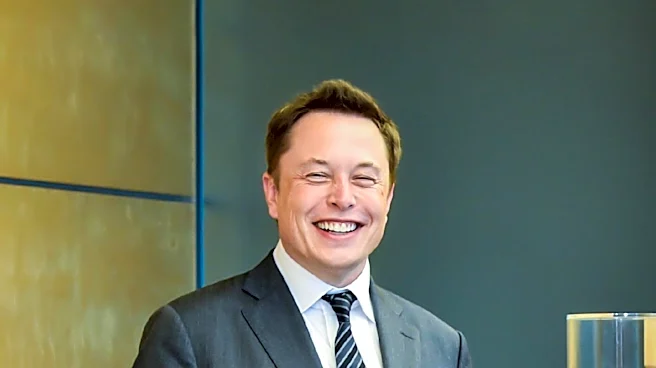
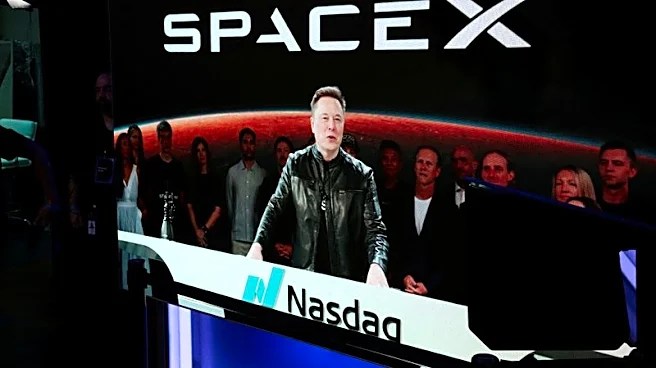
SpaceX and Tesla are reportedly in advanced merger negotiations, with a potential announcement as early as December, though it could be delayed until 2027. This proposed merger aims to consolidate Elon Musk's diverse operations, including artificial intelligence,
robotics, electric vehicles, and aerospace, under a single corporate entity. According to Bloomberg, both companies have established special committees of independent directors to discuss the potential combination and are currently deliberating corporate governance arrangements and merger terms. This move follows Musk's previous statement during SpaceX's third-quarter earnings call that a merger with Tesla would be 'a good idea.' The deal, if finalized, would be one of the largest in history and comes less than a year after the merger of xAI and SpaceX, two other Musk-led companies. The combined market capitalization of SpaceX and Tesla is approximately $3.45 trillion, based on recent market closes.
Why It's Important?
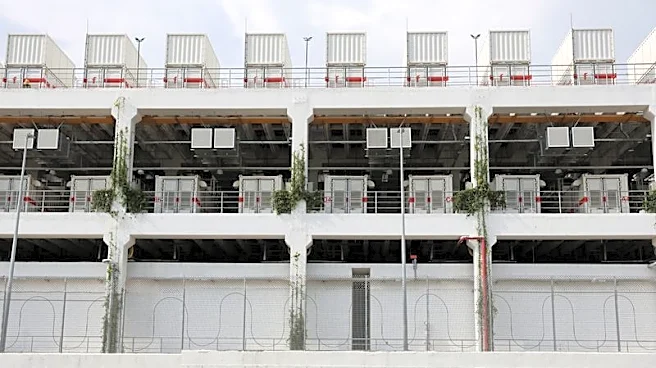
This potential merger carries significant implications for the technology and automotive sectors, as it would create a colossal entity spanning multiple high-growth industries. For Elon Musk, the merger could offer a faster path to securing control of Tesla and potentially allow him to bypass certain operational milestones tied to his compensation packages, as reported by Reuters. However, the deal faces substantial regulatory and operational hurdles. U.S. regulators may scrutinize the merger due to SpaceX's defense contracts and Tesla's extensive operations in China, raising concerns about a U.S. defense contractor having significant ties to mainland China, according to JPMorgan analyst Rajat Gupta. The consolidation could also streamline the development of joint ventures like Terafab, an advanced AI semiconductor complex in Texas, which Musk has described as potentially 'the largest and most valuable building on Earth.'
What's Next?
The immediate next steps involve continued discussions between the special committees and advisors of SpaceX and Tesla regarding the terms and corporate governance of the merger. While an announcement could occur by December, Bloomberg suggests it might be pushed to early 2027. Following any agreement, the proposed merger would undergo rigorous regulatory review in the U.S., particularly concerning antitrust implications and national security given SpaceX's role as a defense contractor. Stakeholders, including investors, employees, and customers of both companies, will closely watch for details on how the combined entity will operate and what strategic shifts might occur. The outcome of these negotiations and subsequent regulatory approvals will determine the future structure and strategic direction of a significant portion of Elon Musk's business empire.
Beyond the Headlines
Beyond the immediate financial and operational aspects, this merger could signal a broader trend of vertical integration and consolidation among tech giants, particularly those with ambitious long-term visions. The creation of a single entity encompassing AI, robotics, EVs, and space exploration could foster unprecedented synergies, accelerating innovation in areas like autonomous systems, advanced manufacturing, and space-based computing. However, it also raises questions about market dominance and potential monopolistic practices across critical technological frontiers. The regulatory challenges highlight the increasing tension between fostering innovation and safeguarding national interests, especially when companies operate in sensitive sectors and have extensive international footprints. The success or failure of this merger could set a precedent for how future cross-industry consolidations are viewed and regulated, potentially reshaping the competitive landscape of the global technology industry.