






What's Happening?
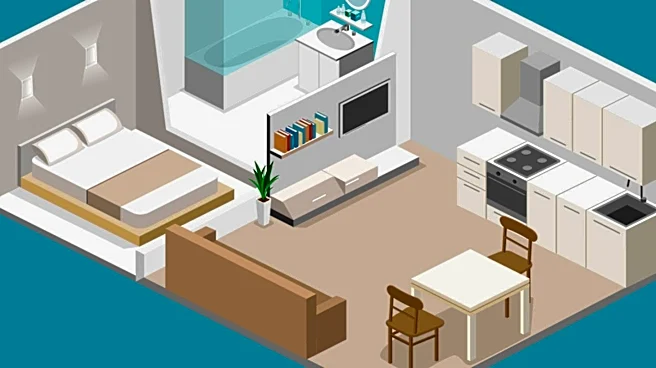
Individuals living in small apartments are being offered comprehensive guidance on how to optimize their living spaces through strategic organization and the use of multifunctional furniture. The advice emphasizes decluttering, efficient storage planning,
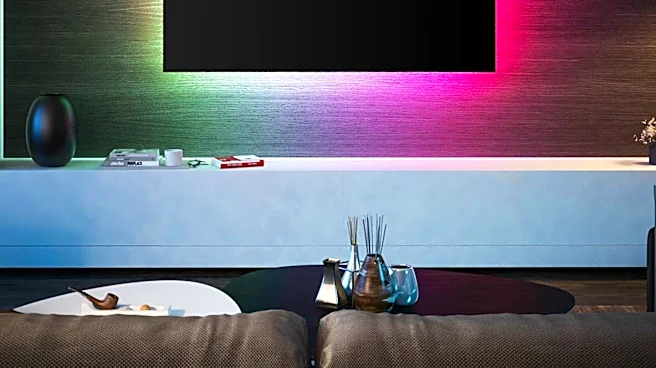
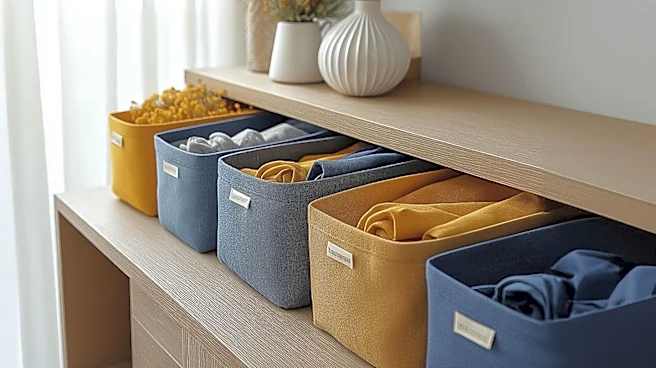
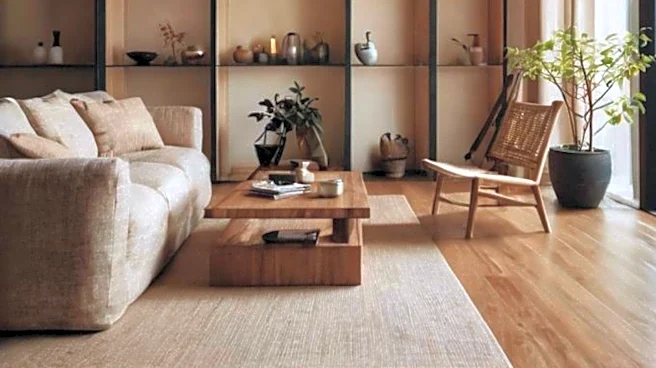
and making the most of limited square footage. Key recommendations include utilizing under-bed storage, wall-mounted shelves, and double hanging rods in closets to maximize vertical space. For kitchens, suggestions involve drawer organizers, wall shelving for pots and pans, and magnetic strips for knives and spices. Living rooms can benefit from coffee tables with hidden compartments and decorative baskets to maintain tidiness. The overarching theme is to transform compact homes into efficient yet stylish abodes by adopting innovative storage ideas and embracing furniture that serves multiple purposes.
Why It's Important?
The increasing trend of urbanization and the rising cost of living in many U.S. cities have led to a growing number of people residing in smaller living spaces, such as apartments and studios. This makes efficient space utilization a critical aspect of daily life for a significant portion of the population. The guidance provided is important because it directly addresses the practical challenges faced by these individuals, offering actionable solutions that can improve their quality of life, reduce stress associated with clutter, and enhance the functionality and aesthetics of their homes. By adopting these strategies, residents can create more comfortable and organized environments, potentially leading to increased productivity and well-being within their limited spaces. This also has implications for the home goods and furniture industries, which can cater to this demand with innovative, space-saving products.
What's Next?
As awareness of these space-saving techniques grows, there is likely to be an increased demand for furniture and organizational products specifically designed for small living areas. Consumers may actively seek out items like sofa beds, storage ottomans, extendable dining tables, and modular shelving units. Retailers and manufacturers in the home furnishing sector are expected to respond by expanding their product lines to include more multifunctional and compact solutions. Additionally, interior design services specializing in small space optimization could see a surge in popularity. Educational content, such as workshops or online tutorials focusing on small apartment organization, may also become more prevalent, further empowering individuals to implement these strategies effectively in their homes.
Beyond the Headlines
Beyond the immediate practical benefits, the emphasis on efficient space utilization in small apartments reflects a broader cultural shift towards minimalism and sustainable living. In an era of increasing consumption, the ability to live comfortably and functionally within a smaller footprint challenges traditional notions of home size and material possessions. This movement encourages a more thoughtful approach to what one owns and how it is stored, potentially leading to reduced waste and a greater appreciation for well-designed, versatile items. Ethically, it promotes resourcefulness and adaptability, fostering a mindset where creativity in problem-solving is valued over simply acquiring more space or belongings. This shift could influence urban planning and architectural design, pushing for more innovative and compact housing solutions in the future.