




What's Happening?
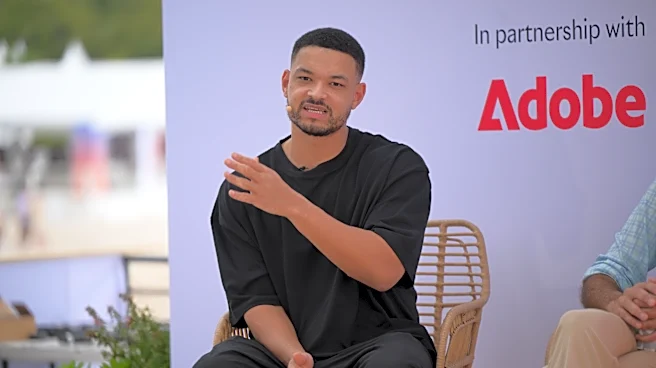
During a panel at the ADWEEK House Cannes Lions, industry leaders, including Roland Butler from Zalando and Ben Hall from Empathy Lab, discussed the evolving role of AI in creative infrastructure. The panel highlighted a shift from traditional campaign
strategies to a more integrated approach where engineers, creative talent, data, and AI production collaborate. This new model emphasizes the importance of creative teams in maintaining brand uniqueness amidst widespread AI tool adoption. The discussion underscored the need for strategic thinking to be embedded in the infrastructure, allowing brands to respond quickly to cultural trends while preserving creative freedom and agency.
Why It's Important?
The integration of AI into creative processes is significant as it reshapes how brands operate in a rapidly changing digital landscape. By leveraging AI, brands can enhance their ability to quickly adapt to cultural shifts, thus maintaining relevance and competitive advantage. This development impacts the marketing industry by necessitating a balance between technological efficiency and human creativity. Brands that successfully integrate AI into their creative processes can potentially achieve faster content production without sacrificing quality or cultural resonance, ultimately influencing consumer engagement and brand loyalty.
What's Next?
As AI continues to permeate the creative industry, brands are likely to invest more in developing systems that integrate AI with human creativity. This could lead to new roles and collaborations within creative teams, focusing on strategic thinking and cultural insight. Companies may also explore further innovations in AI tools to enhance their responsiveness to market trends. The ongoing dialogue between technology and creativity will likely shape future marketing strategies, with brands striving to maintain a unique voice in an increasingly automated world.
Beyond the Headlines
The ethical implications of AI in creative processes are a growing concern. As AI tools become more prevalent, questions about originality, authorship, and the potential for homogenization of content arise. Brands must navigate these challenges by ensuring that AI complements rather than replaces human creativity. Additionally, the cultural impact of AI-driven content on consumer perceptions and societal norms warrants careful consideration, as brands play a significant role in shaping public discourse.