




What's Happening?
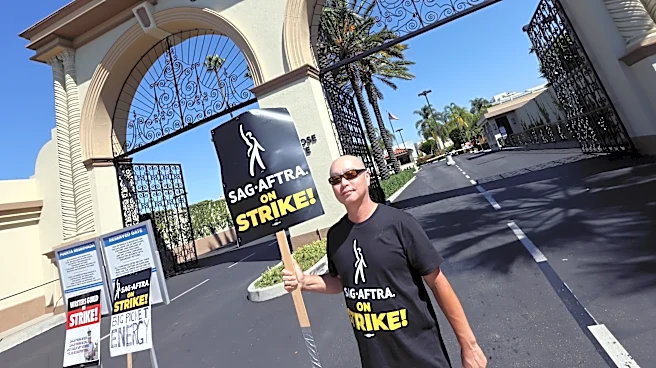
SAG-AFTRA has launched a new Pre-Funding Pitch Interactive Media Agreement, enabling video game developers to hire professional voice and motion performance talent earlier in the development process. This agreement is designed for projects that are still
in the fundraising stage, specifically for creating pitch materials such as vertical slices, trailers, teasers, sizzle reels, and playable prototypes. According to SAG-AFTRA President Sean Astin, this initiative empowers developers to enhance their projects with professional talent, aiming for higher quality products that can attract funding. The agreement stipulates that a project can have no more than 30% of its initial production funding secured, must not appear completed, and cannot be released commercially or made available to the public. Notably, crowdfunded projects are ineligible under these terms. Duncan Crabtree-Ireland, the union’s national executive director and chief executive officer, stated that this agreement simplifies the process of hiring union talent during the competitive backing phase.
Why It's Important?
This new SAG-AFTRA agreement is significant for the U.S. video game industry as it addresses a critical gap in early-stage game development. Previously, developers faced a dilemma: either hire union talent under full production terms, which are often too costly for unfunded projects, or use temporary, non-union voices and rough recordings for pitches. The new agreement provides a structured, union-backed third path, potentially elevating the quality of pitch materials and increasing a project's chances of securing investment. For performers, it opens a new category of paid, union-covered work, replacing informal or unpaid pitch contributions with a defined framework. This could lead to more consistent employment opportunities and better protections for voice and motion capture artists. The exclusion of crowdfunded projects, however, might create a divide among small teams, favoring those seeking traditional publisher or private investor funding over those relying on public campaigns.
What's Next?
Developers interested in utilizing the Pre-Funding Pitch Interactive Media Agreement will need to contact SAG-AFTRA directly for specific details, as compensation amounts, contract duration, application procedures, and effective dates have not been publicly confirmed. The union will likely need to provide further clarifications on how funding levels are verified and how projects transition to standard terms once fully funded. There may be discussions and potential lobbying efforts from crowdfunded teams to seek an exception or a variant agreement, given their exclusion from the current terms. The success and adoption of this agreement will largely depend on the affordability of its final terms and the administrative ease for developers. If successful, it could set a new standard for early-stage game development, with investors potentially coming to expect union-grade performance in pitches, thereby raising the bar for all projects seeking funding.
Beyond the Headlines
The introduction of this agreement also subtly touches upon the ongoing debate surrounding artificial intelligence in creative industries. By making it easier and more structured to hire human performers at the pitch stage, SAG-AFTRA is implicitly advocating for human involvement from the outset, potentially counteracting the trend of using AI-generated voices or motion capture as placeholders that might later become permanent. This move can be seen as a strategic effort by the union to safeguard human jobs and creative integrity in an evolving technological landscape. The agreement's focus on quality and its direct link to attracting funding also positions SAG-AFTRA not just as a labor union, but as a partner in enhancing product quality and business viability for developers, particularly during the high-risk fundraising phase. This could influence how creative talent is valued and integrated into project development across various interactive media.