



What's Happening?
Lash artists frequently encounter issues with lower lashes escaping from under protective pads and tape during lash extension services, leading to complications such as interference with isolation, attachment to upper lashes, extended appointment times,
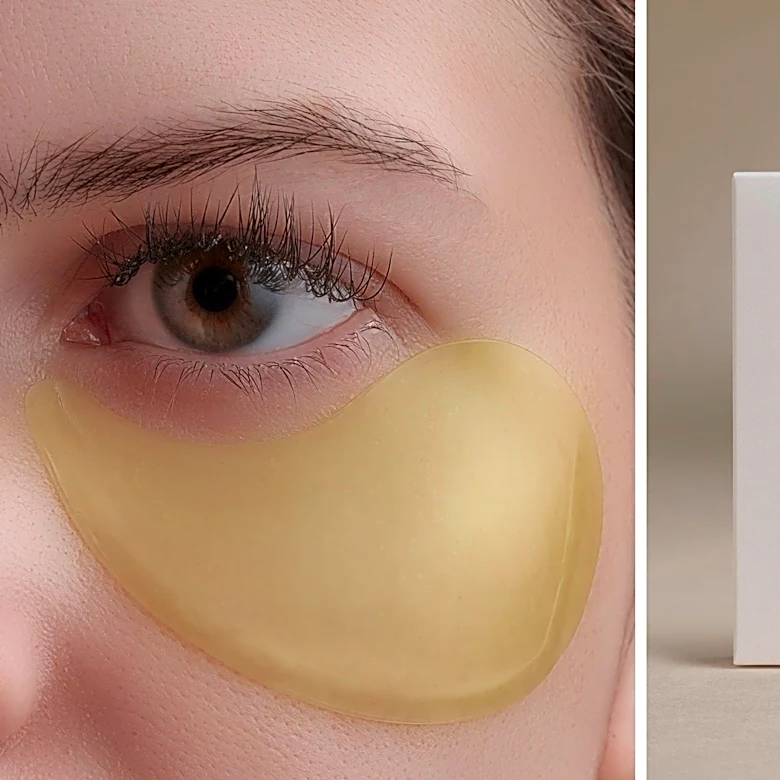
and client discomfort. This common problem stems from several factors, including incomplete initial coverage where fine, pale, short, or corner lashes are missed. Eye shape also plays a significant role, as standard pads may not conform well to prominent cheekbones, deep-set eyes, or varying lower-lid contours, causing buckling or gaps. Additionally, factors like skin oils, makeup residue, tears, humidity, and client facial movements (talking, smiling) can compromise the adhesion and position of pads and tape over time. The solution is not to push pads higher, as they must remain comfortably below the waterline and avoid contact with the eye. Instead, professionals aim for secure lower-lash coverage while ensuring client comfort and complete eye closure.
Why It's Important?
Effective lower lash isolation is crucial for the quality and safety of lash extension services. When lower lashes are not properly secured, they can bond with upper lashes, creating an uncomfortable and potentially damaging outcome for the client. This can lead to client dissatisfaction, requiring corrective services, and potentially harming the reputation of the lash artist and salon. For businesses in the beauty industry, particularly those offering lash services, mastering isolation techniques can significantly improve efficiency, reduce appointment times, and enhance client experience, fostering repeat business and positive referrals. The need for diverse products, such as various eye pad shapes and specialized tapes, also highlights a market demand for innovative solutions that cater to different client anatomies and service challenges, impacting suppliers and manufacturers in the beauty supply chain.
What's Next?
Lash professionals are advised to implement a meticulous workflow that includes thorough preparation of the under-eye area, careful selection of isolation materials tailored to individual client eye shapes, and strategic use of lash tape. Regular rechecks throughout the appointment are emphasized, particularly after client movements, watering, or any adjustments to the eye area. Building these checkpoints into the routine, such as immediately after initial placement, once eyes are closed, and during section changes, can prevent minor issues from escalating. Furthermore, maintaining an organized station with a variety of professional supplies, including different eye pads, tapes, cleansers, and precision tools, will enable artists to adapt to diverse client needs and unexpected challenges. Continuous professional training and adherence to product instructions are also critical for ensuring client safety and optimal service outcomes.
Beyond the Headlines
The challenges in lower lash isolation underscore broader themes within the beauty and personal care industry, particularly the intersection of technical skill, product innovation, and client experience. The emphasis on individualized approaches based on eye shape and skin condition highlights a growing trend towards personalized beauty services. This also brings to light the ethical responsibility of beauty professionals to prioritize client comfort and safety, ensuring that aesthetic enhancements do not compromise well-being. The continuous need for new and improved tools and supplies for lash artists suggests an ongoing demand for research and development in beauty product manufacturing, focusing on better adhesion, hypoallergenic materials, and ergonomic designs. Ultimately, the seemingly small detail of lower lash isolation reflects the complex interplay of artistry, science, and customer service that defines success in the specialized beauty sector.