




What's Happening?
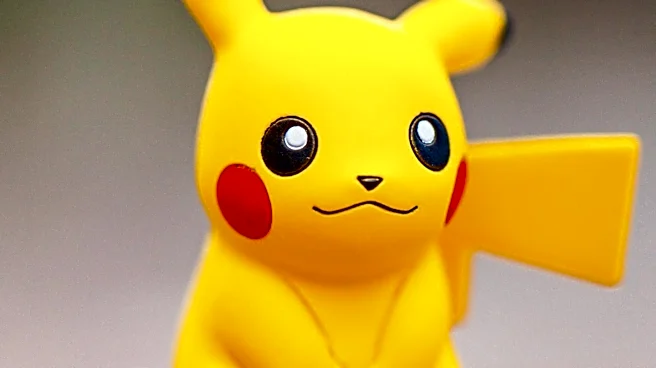
Google has released the Fitbit Air Special Edition Pokémon Sleep, a new fitness band designed to integrate with the Pokémon Sleep app. This special edition, priced at $129.99, is available for pre-order and will begin shipping on September 15. It features
a 'Sleepy Blue' colorway with a dozing Pikachu print and comes in a Snorlax-themed box. The device is 25% smaller than the Fitbit Luxe and 50% smaller than the Inspire 3, making it lightweight and unobtrusive for sleep tracking. The core functionality allows users to convert their nightly sleep data into 'Drowsy Power' within the Pokémon Sleep game, which enhances Snorlax's Strength and can attract rarer Pokémon. While the special edition offers a themed aesthetic, the in-game experience is identical to what users can achieve with any compatible Fitbit or Google Pixel Watch through the existing Android Health Connect and Apple Health pipelines. The premium for this special edition is approximately $31 more than the standard Fitbit Air, which costs $99. The bundle also includes a three-month trial of Google Health Premium, offering access to a Gemini-powered health coach and deeper analytics, before reverting to a monthly fee.
Why It's Important?
This collaboration between Google and the Pokémon franchise is significant as it marks Google's first venture into branded wearable hardware explicitly tied to a third-party app's game mechanics, signaling a serious view of Pokémon Sleep as a platform. The integration aims to gamify sleep tracking, potentially motivating users to improve their sleep habits by tying real-world behavior directly to in-game rewards. This approach aligns with behavioral design principles that suggest intrinsic motivation is fostered when rewards are directly linked to target behaviors. The success of Pokémon Sleep, which topped global download charts upon its 2023 launch, demonstrates the potential for mobile games to influence daily routines. For the wearable tech market, this release highlights a growing trend of integrating health tracking with entertainment to enhance user engagement and adherence to wellness goals. It also positions the Fitbit Air as a versatile device, appealing to both fitness enthusiasts and a broader audience interested in novel ways to interact with their health data.
What's Next?
Pre-orders for the Fitbit Air Special Edition Pokémon Sleep are currently open, with shipping scheduled to commence on September 15. Following the initial three-month Google Health Premium trial included with the purchase, users will have the option to continue the subscription at $9.99 per month. This period will allow users to evaluate the value of AI coaching and advanced analytics. The success of this special edition could influence future collaborations between Google's wearable division and other popular franchises, potentially expanding the market for health-focused wearables. The ongoing user engagement with the Pokémon Sleep app and its ability to sustain improved sleep habits will be a key indicator of the long-term impact of this behavioral design strategy. Additionally, the broader implications for how consumer-grade sleep metrics are perceived, especially in light of ongoing discussions and lawsuits regarding the clinical accuracy of sleep trackers, will continue to be a point of interest.
Beyond the Headlines
The Fitbit Air Special Edition Pokémon Sleep delves into the ethical and cultural dimensions of health tracking by blurring the lines between wellness and entertainment. While the device is not a medical instrument and its sleep tracking features are not intended for diagnosing or treating medical conditions, its gamified approach leverages psychological principles to encourage healthier habits. This raises questions about the responsibility of tech companies in presenting health data and the potential for users to misinterpret consumer-grade metrics as clinical diagnoses. The integration also highlights the increasing trend of 'persuasive technology,' where digital platforms are designed to influence user behavior, often for beneficial outcomes like improved sleep. However, it also underscores the need for clear disclaimers and user education regarding the limitations of such devices. The collaboration also signifies a shift in how brands approach product differentiation, moving beyond purely functional upgrades to offer unique, emotionally resonant experiences, particularly for dedicated fan bases.