





What's Happening?
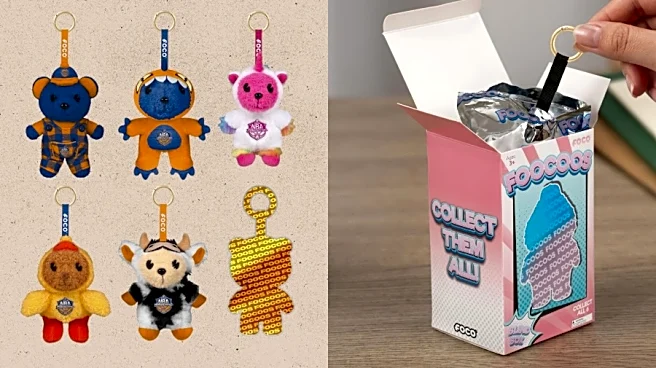
The Labubu doll, initially obscure, gained popularity after a Korean pop star was seen with one, sparking interest due to its unique appearance. These dolls, often described as 'art dolls,' are intentionally designed to be both ugly and cute, capturing
public attention. They are sold in blind boxes, a marketing strategy that plays on consumer psychology by creating scarcity and social proof. Unlike other collectible fads, Labubu dolls do not promise increased value over time. Instead, they serve as a social commentary on consumer culture, embodying a sense of nihilism and reflecting contemporary feelings of meaninglessness. This phenomenon is seen as a critique of mindless consumption, resonating with a cultural undercurrent that questions the sincerity and value of modern consumer habits.
Why It's Important?
The rise of Labubu dolls highlights a significant cultural shift in consumer behavior and societal values. By embracing the dolls' intentional ugliness and lack of utility, consumers are engaging in a form of ironic consumption that critiques traditional consumerism. This trend reflects a broader societal embrace of nihilism, where traditional values and meanings are questioned. The dolls' popularity suggests a growing acceptance of products that serve as social commentary rather than functional or investment items. This shift could influence future marketing strategies and product designs, as companies may seek to tap into this cultural sentiment. Additionally, it raises questions about the sustainability of consumer culture and the psychological impacts of such trends on society.