



What's Happening?
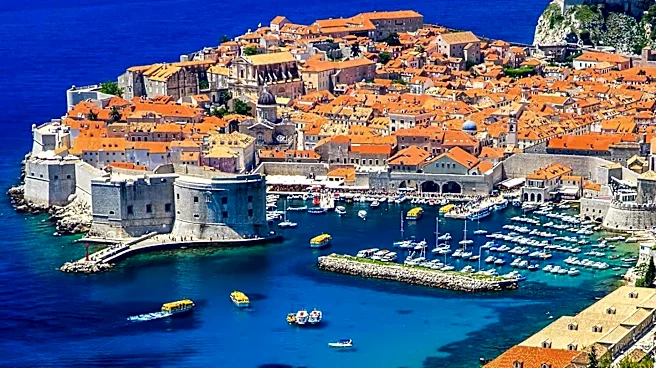
Dubrovnik, Croatia, is highlighted as a prime destination offering a variety of tourism experiences. Visitors can explore the city's rich history and culture through guided tours, such as the Old City, History & Culture Tour, which begins at Brsalje ul.
3. This tour provides an in-depth look at Dubrovnik's landmarks and historical context. For accommodations, the region offers all-inclusive options like Hotel Bozica on the Island of Šipan, known for its clean facilities, quality food, and scenic sunsets. Family-friendly hotels, including Sun Gardens Dubrovnik, provide panoramic views of the Adriatic Sea and the Elaphiti Islands. Additionally, cruise lines like Celebrity Cruises feature Dubrovnik in their itineraries, allowing guests to visit the old walled city and its cultural sites, such as the Renaissance art collection at the Dominican Monastery. September is noted as an ideal time to visit Dubrovnik, with recent photographs showcasing the city's beauty.
Why It's Important?
The diverse tourism offerings in Dubrovnik, Croatia, are important for the global tourism industry, particularly for those seeking cultural and historical experiences combined with leisure travel. The availability of guided tours ensures that visitors can engage deeply with the city's heritage, contributing to educational tourism. The range of accommodation options, from luxury all-inclusive resorts to family-friendly hotels, caters to a broad spectrum of travelers, enhancing Dubrovnik's appeal as a versatile destination. The inclusion of Dubrovnik in major cruise itineraries further solidifies its position as a significant port of call, driving economic activity through passenger spending on excursions, local goods, and services. The emphasis on specific times of the year, like September, helps in managing tourist flow and promoting sustainable tourism practices by encouraging visits during shoulder seasons, which can benefit local businesses and reduce overcrowding during peak times.
What's Next?
Dubrovnik is expected to continue attracting a diverse range of tourists, with ongoing efforts to promote its historical and cultural sites. Tour operators will likely refine existing tours and introduce new ones to cater to evolving tourist interests, potentially incorporating more specialized historical or themed experiences. Accommodation providers may further enhance their all-inclusive packages and family-friendly amenities to maintain competitiveness and attract repeat visitors. Cruise lines are anticipated to continue featuring Dubrovnik in their Mediterranean itineraries, potentially increasing the frequency of visits or offering more extended stays to allow passengers to explore the city more thoroughly. Marketing campaigns highlighting the ideal visiting times, such as September, could become more prevalent to encourage year-round tourism and distribute economic benefits more evenly throughout the year. The focus on high-quality services and unique experiences will be crucial for Dubrovnik to sustain its reputation as a premier European destination.
Beyond the Headlines
The sustained popularity of Dubrovnik as a tourist destination carries deeper implications for cultural preservation and urban development. The influx of tourists, while economically beneficial, necessitates careful management to prevent over-tourism and its potential negative impacts on the city's historical infrastructure and local way of life. Balancing the economic gains from tourism with the imperative to preserve Dubrovnik's UNESCO World Heritage status is a continuous challenge. This includes managing crowd density, regulating commercial activities within the Old City, and ensuring that local residents' needs are not overshadowed by tourist demands. Furthermore, the promotion of specific travel seasons, like September, reflects a broader trend in the tourism industry to encourage more sustainable travel patterns, aiming to reduce environmental strain and enhance the visitor experience by avoiding peak season congestion. The success of Dubrovnik in navigating these challenges could serve as a model for other historic cities grappling with similar pressures.