



What's Happening?
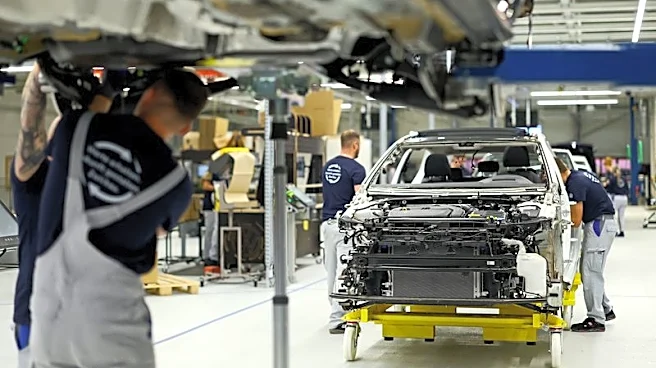
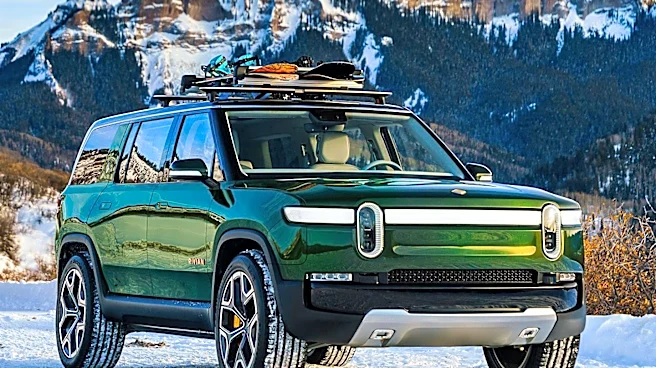
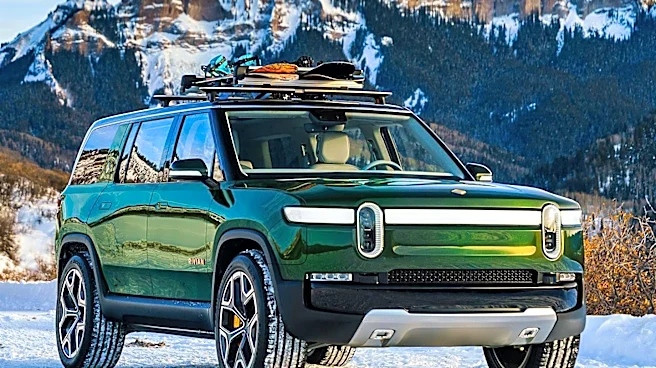
Rivian Automotive, an American automotive technology company specializing in electric vehicles, announced its third-quarter 2026 financial results, surpassing Wall Street's earnings expectations. The company produced 19,751 vehicles and delivered 19,248
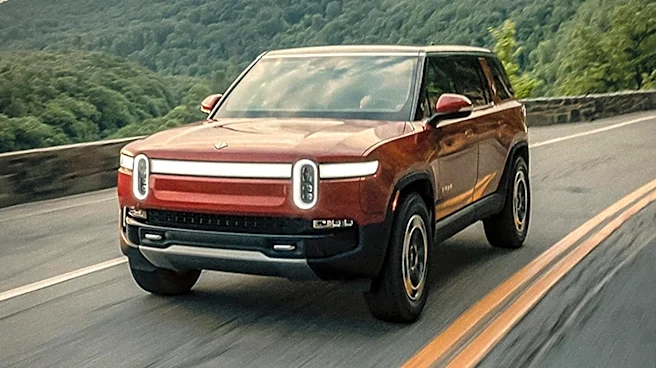
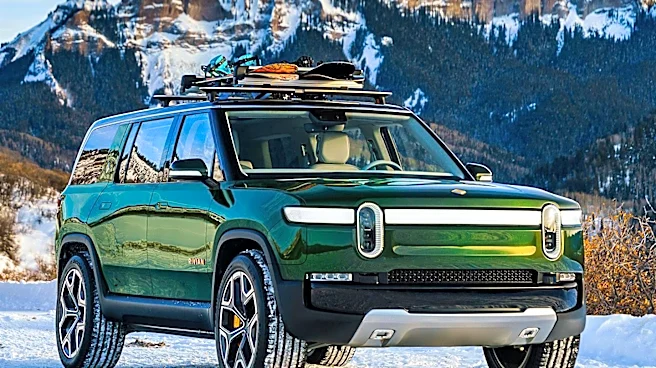
to customers from July through September, marking an 85% year-over-year increase in production and a 45% jump in deliveries. Consolidated revenue reached $2.155 billion, a 38% increase compared to the same quarter in the prior year. This growth was driven by a 46% year-over-year increase in delivery volumes, $81 million in revenues from regulatory credits, and robust performance from its software and services segment. The software and services division generated $605 million in revenue and a gross profit of $256 million, achieving a 42% margin. Notably, Rivian's R2 SUV has become its best-selling vehicle by volume, with its first deliveries to customers in June contributing significantly to the quarter-over-quarter gain. The company also revised its 2026 guidance, anticipating improvements in vehicle deliveries, pre-tax adjusted earnings, and capital expenditures.
Why It's Important?
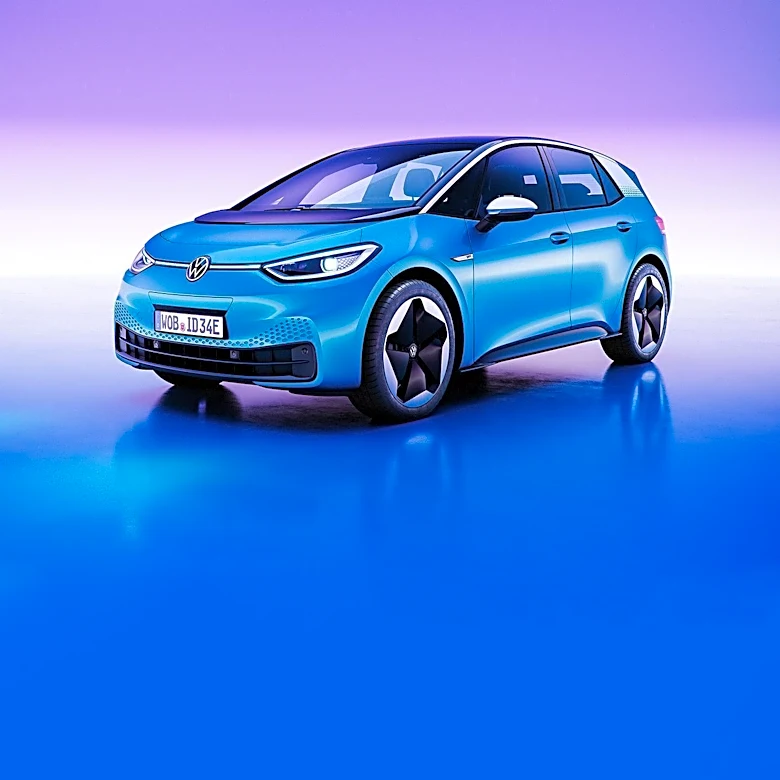
Rivian's strong third-quarter performance and the success of its R2 SUV are significant indicators for the electric vehicle (EV) market and the company's trajectory towards profitability. The R2, designed as a more affordable and higher-volume offering, is crucial for Rivian to expand its market share beyond its initial luxury R1S SUV. The substantial revenue generated by the software and services segment, including licensing technology to Volkswagen and customer subscriptions for Autonomy Plus, highlights a growing trend in the automotive industry where software plays an increasingly vital role in profitability, especially as EV sales growth moderates. This diversified revenue stream helps Rivian absorb the high upfront costs associated with launching new vehicle models. The improved financial guidance and reduced pre-tax adjusted loss suggest increased operational efficiency and a more optimistic outlook for the company's financial health, potentially attracting further investment and bolstering confidence in the EV sector amidst broader economic uncertainties.
What's Next?
Rivian is focused on scaling R2 production to achieve profitability on a per-unit basis, although CEO RJ Scaringe has indicated that further scaling beyond current R2 production plans of 160,000 units will be necessary for overall profitability. The company's revised 2026 guidance projects vehicle deliveries between 67,000 and 70,000 units, an increase from at least 65,000, and a pre-tax adjusted loss of between $1.75 billion and $1.85 billion, a $100 million improvement at the midpoint. Future revenue growth is expected from the continued ramp-up of R2 deliveries, particularly with the introduction of more affordable trims like the $55,485 Premium trim in late 2026, the $49,985 Standard Long-Range in early 2027, and the $46,495 Standard in late 2027. The ongoing performance of its software and services segment, including its partnership with Volkswagen, will also be critical in sustaining financial improvements.
Beyond the Headlines
The success of Rivian's R2 SUV as its best-selling model by volume underscores a broader shift in the EV market towards more accessible and mass-market offerings. While luxury EVs initially dominated, the industry's long-term growth hinges on making electric transportation affordable for a wider consumer base. Rivian's strategy of leveraging software and services for significant revenue and profit margins also points to a fundamental transformation in the automotive business model. This approach, where digital products and recurring subscriptions contribute substantially to the bottom line, could become a blueprint for other EV manufacturers. The company's ability to reduce its losses and improve financial guidance in a competitive and evolving market demonstrates resilience and strategic adaptation, potentially influencing investor confidence and market dynamics within the electric vehicle industry.