


What's Happening?
Fairmont Hanoi has launched its new CIRUA Spa, a 3,500 square meter wellness facility designed to offer a comprehensive wellness experience. The spa features a circuit of three thermal plunge pools (hot, vitality, and cold), a salt sauna, traditional
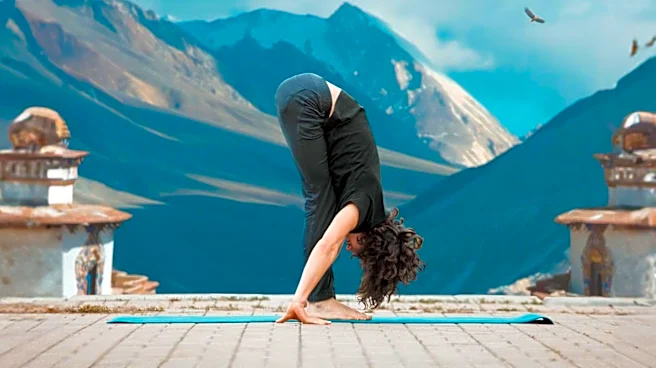
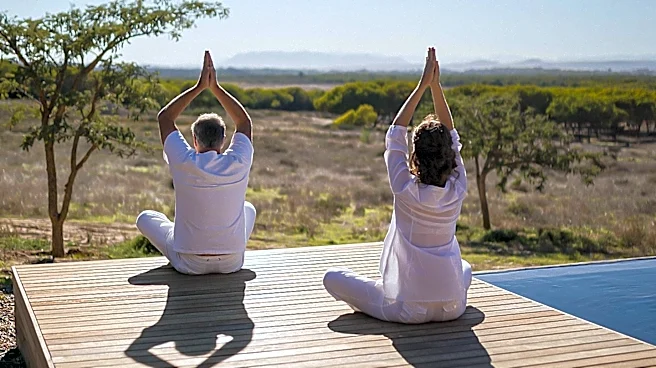
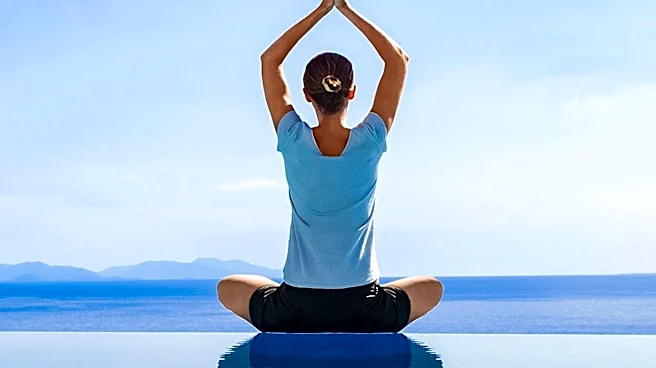
sauna, steam room, ice room, and Vichy shower, alongside heated relaxation beds and meditation pods. The spa's Signature Ritual includes a rice milk and honey body scrub, a dynamic stretch massage inspired by Japanese movement traditions, and a sheet mask. Additionally, the hotel has introduced a global campaign called 'Wellness Without Walls,' which extends wellbeing activities beyond the spa to include rooftop hatha yoga, tai chi sessions, and personalized gym assessments. The hotel also boasts four restaurants, including HIRYU, a Japanese teppanyaki restaurant, and Tran Dynasty, a Vietnamese restaurant led by Chef Luke Nguyen, emphasizing fresh, local ingredients.
Why It's Important?
The introduction of the CIRUA Spa at Fairmont Hanoi signifies a growing trend in the luxury hospitality sector towards integrated wellness experiences. This development caters to an increasing demand from travelers seeking more than just accommodation, but rather a holistic approach to health and relaxation during their stays. For the U.S. travel market, this offers a high-end destination in Southeast Asia that combines cultural immersion with advanced wellness facilities, potentially attracting American tourists interested in health and luxury travel. The 'Wellness Without Walls' initiative also highlights a shift in the industry to make wellness accessible throughout the guest's stay, influencing how other hotels might design their offerings to remain competitive and meet evolving consumer expectations for comprehensive well-being services.
What's Next?
Fairmont Hanoi is expected to continue promoting its new wellness offerings to attract international tourists, particularly from markets like the U.S. The hotel's focus on diverse wellness activities, from traditional spa treatments to yoga and personalized fitness, suggests a strategy to become a leading wellness destination in the region. Future developments might include expanding the range of specialized wellness programs, collaborating with international wellness experts, or integrating more local Vietnamese healing traditions into their services. The success of this integrated wellness model could also influence other luxury hotel chains to adopt similar comprehensive wellness strategies, further solidifying the trend of wellness tourism.
Beyond the Headlines
The emphasis on wellness in luxury travel, as exemplified by Fairmont Hanoi, reflects a broader societal shift towards prioritizing health and well-being. This trend extends beyond physical health to include mental and emotional rejuvenation, influencing consumer choices in various sectors, including travel. The integration of local cultural elements, such as Vietnamese bathing traditions and cuisine, within a modern wellness framework, also highlights a growing appreciation for authentic experiences that connect travelers with the local culture while promoting personal well-being. This approach could set a new standard for luxury hospitality, where cultural authenticity and holistic wellness are seamlessly intertwined.