





What's Happening?
U.S. sports organizations are increasingly developing sophisticated strategies for YouTube, moving beyond simply porting content from other platforms. Despite YouTube being the internet's second most-trafficked site, many sports properties, particularly
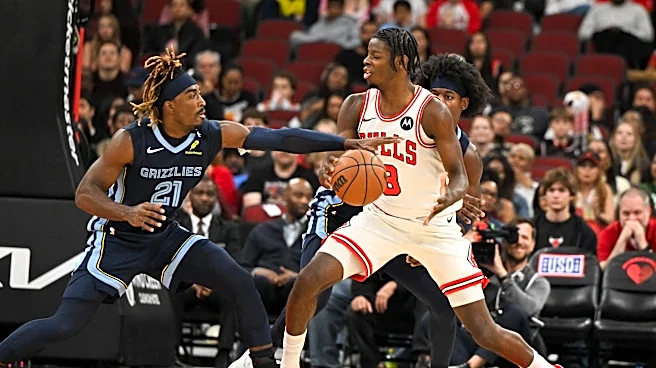
in North America, have historically underutilized it compared to platforms like Instagram, Facebook, X, and TikTok. However, this trend is shifting, with teams like the Philadelphia Eagles, Los Angeles Chargers, Golden State Warriors, and the Chicago Bulls investing in dedicated YouTube content and personnel. These teams are focusing on both short-form content (YouTube Shorts) for discovery and long-form, in-depth storytelling for deeper fan engagement. For instance, the Eagles had 174 million views in their last fiscal year, and the Warriors' 48-minute documentary on the 2009 NBA Draft garnered an average watch time of 19.5 minutes. This strategic shift acknowledges YouTube's unique consumption patterns, including significant viewership on connected TVs, and its potential for fostering deeper fan connections and new revenue streams.
Why It's Important?
This evolving approach to YouTube by U.S. sports teams signifies a critical adaptation to changing media consumption habits and presents significant opportunities for the sports industry. By creating tailored content for YouTube, teams can cultivate a more engaged and loyal fanbase, particularly among younger demographics who are heavy users of the platform. The focus on long-form content, such as behind-the-scenes documentaries and in-depth series, allows teams to tell richer stories and build stronger emotional connections with viewers, potentially converting casual observers into lifelong fans. Furthermore, the platform offers new revenue streams through sponsored content and Google AdSense, which can supplement traditional income sources. The increasing viewership on connected TVs also indicates that YouTube is becoming a primary destination for sports content, rivaling traditional broadcast television and offering a more interactive and on-demand experience for fans. This strategic investment is crucial for maintaining relevance and competitiveness in a rapidly fragmenting media landscape.
What's Next?
The trend of U.S. sports organizations investing in specialized YouTube strategies is expected to continue and intensify. More teams and leagues will likely follow suit, hiring dedicated YouTube strategists and content creators, potentially from entertainment backgrounds rather than traditional sports media. This will lead to a greater diversity and sophistication of content, moving beyond basic highlights and press conferences to include more narrative-driven series, fan-centric features, and interactive experiences. The emphasis on metrics like 'minutes watched' will drive the creation of compelling, high-quality long-form content designed to capture and retain viewer attention. We can also anticipate increased integration of sponsorship opportunities within YouTube content, offering brands new avenues for engagement with sports audiences. As YouTube continues to grow as a primary platform for sports consumption, particularly on connected TVs, teams will further refine their strategies to maximize fan engagement and unlock new commercial value.
Beyond the Headlines
The shift towards sophisticated YouTube strategies by U.S. sports teams reflects a broader cultural and technological transformation in how audiences consume media and interact with brands. It highlights the growing importance of authentic, accessible, and in-depth storytelling in an era of information overload. For sports, this means moving beyond the game itself to showcase the human elements, the behind-the-scenes efforts, and the historical context that resonate deeply with fans. This approach also challenges traditional media gatekeepers, as teams can directly control their narrative and distribution, fostering a more direct relationship with their audience. Ethically, this raises questions about the balance between commercial interests and maintaining journalistic integrity in content creation. Culturally, it underscores YouTube's evolution from a user-generated content platform to a professional broadcasting and storytelling medium, influencing how sports narratives are constructed and shared in the digital age.