
What's Happening?
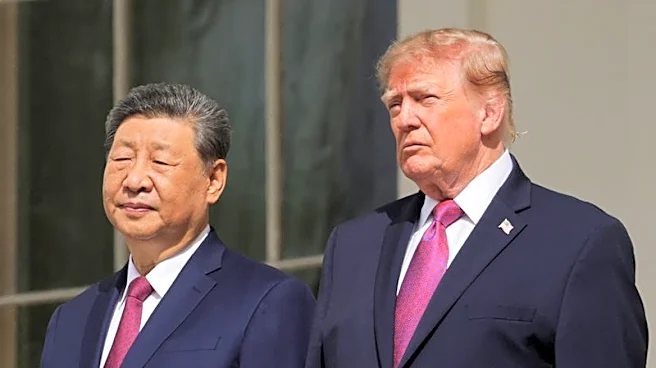
The United States' current industrial policy, particularly concerning critical minerals and rare earth elements, is increasingly focused on bilateral competition with China. Washington is employing negotiations,
tariffs, export restrictions, strategic stockpiles, government financing, and domestic production support to secure these materials. This approach, however, is seen as potentially neglecting key allies like Japan and South Korea, whose manufacturing industries are integral to global supply chains. While the U.S. aims to rebuild its own industrial capabilities, a bilateral agreement with China might secure materials for American manufacturers without guaranteeing the same for Japanese or Korean producers who supply components for American products. This creates a vulnerability in the broader industrial supply chain, as allies' access to critical materials could be jeopardized by U.S.-centric policies. The U.S. is attempting to re-establish capabilities it once possessed, while Japan and South Korea are striving to maintain capabilities they have consistently developed.
Why It's Important?
This U.S. industrial policy carries significant implications for international trade and alliances. By prioritizing national self-sufficiency and bilateral agreements with China, the U.S. risks undermining the industrial security of its allies, particularly Japan and South Korea, who possess advanced manufacturing capabilities crucial to global supply chains. These allies rely on predictable international trade for raw materials and have developed sophisticated processing technologies. The U.S. approach could lead to a fragmentation of the international industrial economy, where access to materials depends more on political relationships than commercial considerations. This shift could force allies to make difficult choices between their commercial ties with China and their security alliances with the U.S., potentially weakening the collective industrial order that emerged post-World War II. The long-term consequence could be a less integrated and less resilient global supply chain, impacting various U.S. industries that depend on components from these allied nations.
What's Next?
The U.S. faces a critical decision regarding its future industrial policy: whether to continue pursuing national self-sufficiency in isolation or to collaborate with allies to build a new, more integrated industrial order. The current trajectory suggests a continued focus on bilateral engagements with China, which may lead to further strain on allied industrial relationships. Japan and South Korea are already making their own decisions to secure critical materials, including diversifying supply sources and investing in alternative processing relationships. The effectiveness of U.S. diplomatic agreements and financing mechanisms will be tested by their ability to provide manufacturers with dependable access to necessary materials. The ongoing competition for critical minerals will likely intensify, prompting more countries to assert control over their industrial development and resource exports, further complicating global supply chains.
Beyond the Headlines
The deeper implication of this shift is the 'decolonization of the critical minerals world,' signifying a dissolution of the American-centered industrial order. The assumption that American political leadership guarantees economic leadership is being challenged as nations assert greater control over their industrial development and resource value chains. This trend moves beyond simple deglobalization, as international trade will persist, but its organization will increasingly be shaped by political relationships, national security concerns, and government-directed industrial policies rather than purely commercial considerations. The U.S. must recognize that its industrial security is intertwined with that of its allies and that military alliances do not automatically translate into industrial cooperation. The long-term success of U.S. industrial policy will depend on its ability to foster dependable relationships and mutual economic interests with its allies, rather than treating their industrial security as a separate issue.