






What's Happening?
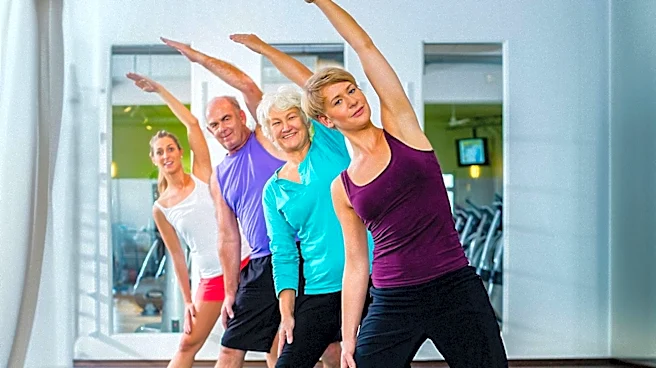
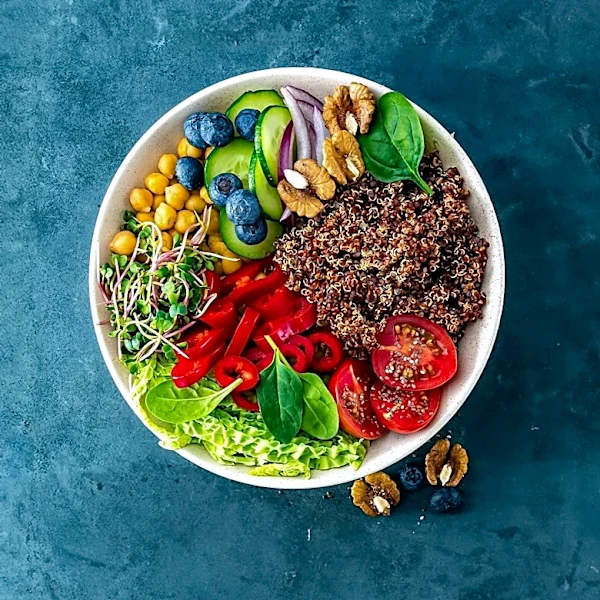
Daily routines are being highlighted as crucial for overall well-being, providing stability, improving memory and mood, and fostering independence. Simple, consistent habits related to meals, physical activity, rest, and social interaction can significantly
contribute to a healthier and more fulfilling daily life. Senior living communities are increasingly recognizing this by helping residents maintain routines that strengthen their well-being, connection, and quality of life. A holistic approach to well-being emphasizes balancing various life areas, including healthy nutrition, regular physical activity, sufficient sleep, effective stress management, positive relationships, and consistent daily habits. The concept of 'wellness stacking' is also gaining traction, where complementary health behaviors are layered so that one naturally leads into the next, creating synergy and momentum in health practices.
Why It's Important?
The emphasis on daily routines for well-being has significant implications for public health and lifestyle trends in the U.S. In a society often characterized by fast-paced living and increasing stress, the promotion of structured daily habits offers a practical and accessible strategy for improving mental and physical health. This approach can reduce the burden on healthcare systems by preventing stress-related illnesses and promoting proactive self-care. For industries, particularly those in wellness, senior care, and technology, this trend presents opportunities for developing products and services that support routine building, such as personalized wellness apps, structured activity programs in senior living, and ergonomic solutions for daily tasks. Furthermore, by encouraging independence and stability, these routines can empower individuals across all age groups to take greater control over their health, potentially leading to a more resilient and healthier population.
What's Next?
The focus on daily routines is likely to lead to increased integration of routine-building strategies in various sectors. Healthcare providers may incorporate routine recommendations into patient care plans, especially for managing chronic conditions or promoting mental health. Educational institutions could develop programs to teach students about the benefits of consistent daily habits for academic success and personal well-being. The wellness industry is expected to innovate further, offering more personalized tools and coaching services to help individuals establish and maintain effective routines. Additionally, workplaces might explore implementing initiatives that support employees in developing healthy daily habits, recognizing the link between employee well-being and productivity. Research into the long-term impacts of specific daily routines on various health outcomes is also anticipated to grow, providing more evidence-based guidance for individuals and organizations.
Beyond the Headlines
Beyond the immediate benefits, the widespread adoption of daily routines could foster a cultural shift towards a more mindful and intentional way of living. In a world saturated with instant gratification and constant digital stimulation, embracing routines encourages a return to foundational practices that prioritize sustained well-being over fleeting pleasures. This shift could challenge the prevailing notion that health improvements require drastic, one-time interventions, instead promoting the power of small, consistent actions. Ethically, it raises questions about equitable access to resources and environments that facilitate healthy routines, such as safe spaces for physical activity or access to nutritious food. Culturally, it may lead to a re-evaluation of societal values, moving towards a greater appreciation for balance, self-care, and the quiet discipline of daily habits as cornerstones of a fulfilling life.