






What's Happening?
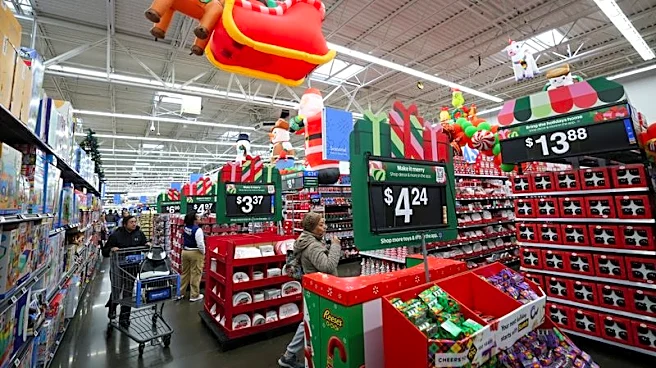
U.S. consumers significantly increased their spending on technology during Black Friday, despite ongoing economic challenges. Reports indicate a strong focus on value and deals, which has boosted overall holiday spending. Holiday sales are projected to
exceed $1 trillion this year, partly due to inflation, with an average spending of $1,049 on gifts and purchases, marking a 5.9% increase from the previous year, according to The Conference Board. Online sales in early November reached $82.5 billion, a 9.1% rise from last year, and Salesforce forecasts global online sales of $357 billion between November 24 and November 30, with $84 billion expected from the U.S. Retailers have responded by offering deeper discounts, which have increased by 8% in November. A Deloitte survey found that 87% of consumers planned to shop during Black Friday and Cyber Monday, the highest rate since 2016, with shoppers anticipating an average spend of $624 this holiday season. Brian McCarthy, retail strategy lead at Deloitte, noted that consumers are balancing price pressures with the desire to protect holiday traditions, often deferring larger purchases to promotional periods.
Why It's Important?
This trend highlights a significant shift in consumer behavior, where economic concerns are not deterring spending on desired items, particularly technology, but rather driving a more strategic approach to shopping. The increased reliance on promotional periods like Black Friday and Cyber Monday indicates that consumers are actively seeking value and discounts to manage their budgets. This behavior benefits retailers who can offer competitive pricing and deals, potentially leading to higher sales volumes despite a challenging economic backdrop. The optimism expressed by executives from major retailers like Walmart and Target, with Target's CEO Michael Fiddelke emphasizing affordable products, suggests that companies are adapting their strategies to meet consumer demand for value. The projected increase in holiday sales, even with inflation, underscores the resilience of consumer spending in the U.S. and its critical role in the national economy. The use of 'buy now, pay later' options by a significant portion of Generation Z shoppers also points to evolving financial strategies among younger demographics to manage purchases.
What's Next?
As the holiday season progresses, retailers are likely to continue offering aggressive discounts and promotions to capture consumer spending. The success of Black Friday tech sales may encourage a similar focus on deals for other product categories leading up to Christmas and into the post-holiday sales period. Businesses will closely monitor consumer sentiment and spending patterns to adjust inventory and marketing strategies. The continued growth of online sales, particularly in the U.S., suggests that e-commerce will remain a dominant channel for holiday shopping. Financial institutions and payment providers may see increased usage of 'buy now, pay later' services, especially among younger consumers, which could influence future credit and payment offerings. The overall economic health will be a key factor, with retailers and economists watching for sustained consumer confidence and spending beyond the holiday rush.
Beyond the Headlines
The robust tech spending during Black Friday, despite economic concerns, reveals a deeper societal trend where technology has become an essential part of modern life, rather than a luxury. Consumers are prioritizing these purchases, even if it means deferring other expenditures or utilizing flexible payment options. This indicates a fundamental integration of technology into daily routines, work, education, and entertainment, making it a non-negotiable category for many households. The emphasis on 'value' also reflects a broader economic consciousness, where consumers are becoming more discerning and strategic in their purchasing decisions. This could lead to a long-term shift in retail, where promotional periods become even more critical for driving sales, and retailers that can consistently offer perceived value will gain a competitive edge. The generational differences in payment methods, such as the increased use of 'buy now, pay later' by Gen Z, also highlight evolving financial behaviors and the need for businesses to cater to diverse consumer preferences and financial realities.