
What's Happening?
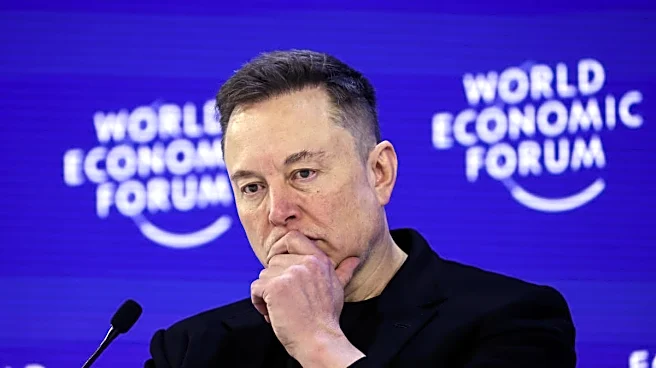
AT&T's CEO John Stankey has downplayed concerns about competition from Elon Musk's Starlink following the company's recent earnings report. In an interview with CNBC, Stankey emphasized that new entrants like Starlink are entering the market late, after
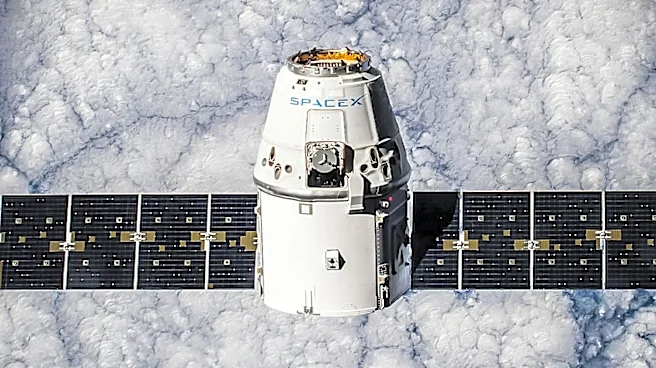
decades of infrastructure investment by established players like AT&T. The comments came after AT&T reported quarterly earnings that exceeded expectations, although revenue fell short. Stankey stated that AT&T does not currently see a need for a dedicated satellite partner, as the company already manages over 98% of its network traffic. The discussion around Starlink intensified after SpaceX announced plans to launch a Starlink-branded retail mobile service, potentially positioning it as a direct competitor to AT&T's mobile subscriber base.
Why It's Important?
The entry of Starlink into the retail mobile service market could significantly alter the competitive landscape for established telecom companies like AT&T. While Stankey's comments aim to reassure investors, the potential for Starlink to disrupt the market remains a concern. The ability of Starlink to offer satellite-based services could appeal to underserved areas, challenging traditional telecom infrastructure. This development could lead to increased competition, potentially affecting AT&T's market share and subscriber growth. The telecom industry may need to adapt to new technologies and business models to maintain its competitive edge.
What's Next?
As SpaceX moves forward with its plans for a Starlink retail mobile service, AT&T and other telecom companies may need to reassess their strategies. Potential partnerships or technological advancements could be explored to counter the threat posed by satellite-based services. Additionally, regulatory responses and market reactions will be crucial in shaping the future dynamics of the telecom industry. Investors and industry stakeholders will be closely monitoring the rollout of Starlink's services and its impact on the market.