


What's Happening?
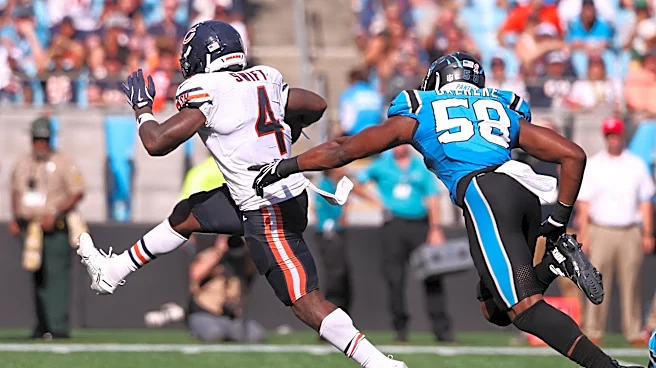
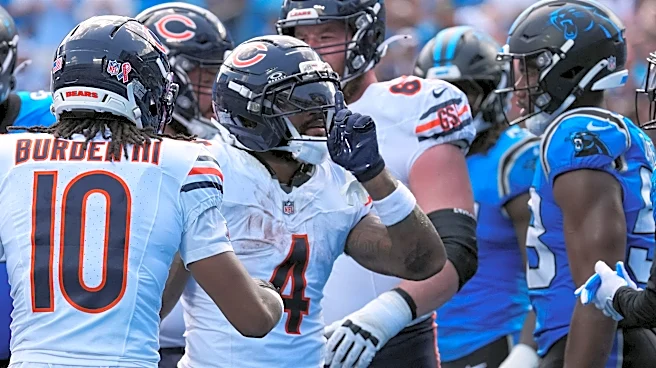
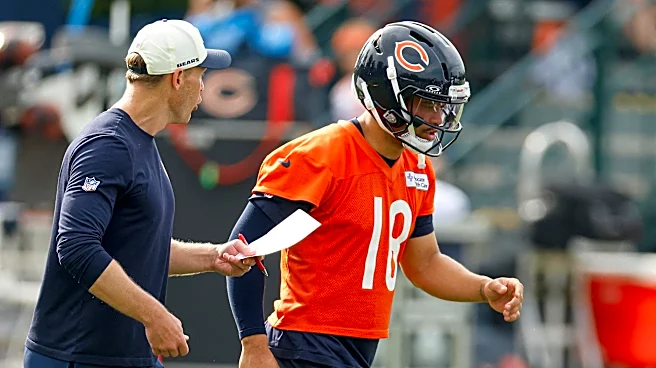
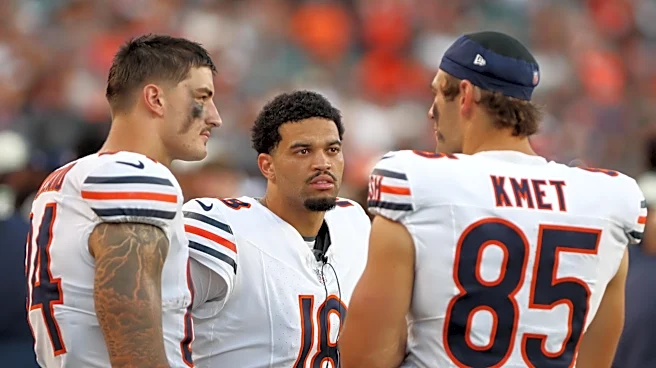
Caleb Williams, quarterback for the Chicago Bears, delivered a statistically impressive performance in Week 1, leading his team to a dominant 59-37 victory over the Carolina Panthers. Williams accumulated 269 passing yards and two touchdowns through the air,
alongside 65 rushing yards and two additional scores on the ground, totaling 334 yards and four touchdowns. Despite these robust numbers, which included completing 21 of 29 passes for a 124.1 passer rating and no interceptions, Williams received a 64.0 passing grade from Pro Football Focus (PFF). This grade placed him 16th among 30 qualifying quarterbacks, sparking discussion about the discrepancy between traditional box score statistics and PFF's play-by-play evaluation system. PFF's methodology assesses individual plays independently of the final outcome, focusing on the quarterback's execution, decision-making, and accuracy on each snap. For instance, a potential interception by Williams was negated by an offside penalty, preventing it from appearing in the box score but still factoring negatively into his PFF grade.
Why It's Important?
The divergence between Caleb Williams' impressive box score and his PFF grade highlights a critical aspect of modern sports analytics: the distinction between outcome-based statistics and process-based evaluations. While traditional statistics like passing yards and touchdowns reflect the end result of plays, PFF's grading system aims to measure the quality of a player's performance on a down-by-down basis, irrespective of external factors like penalties or a receiver's ability to make a difficult catch. This approach offers a deeper insight into a quarterback's true skill and decision-making, which can be crucial for coaching staffs and front offices in player development and strategic planning. For fans and media, it provides a more nuanced understanding of a player's contribution beyond the surface-level numbers. The discussion surrounding Williams' grade underscores the ongoing evolution of how athletic performance is assessed and valued in professional sports, influencing everything from contract negotiations to draft evaluations and game-day strategies.
What's Next?
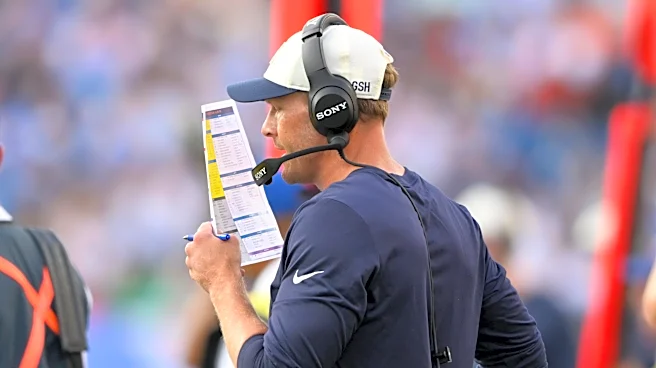
The Chicago Bears will continue their season with Caleb Williams at the helm, and his performance will likely be scrutinized through both traditional statistics and advanced metrics like PFF grades. The team's next challenge will be against the Minnesota Vikings in Week 2, where Williams will aim to build on his strong start. The ongoing debate between box score results and analytical grades will likely persist throughout the season, especially for high-profile players like Williams. Coaches and analysts will continue to use these varied data points to assess his development and impact on the team. The Bears' offensive coordinator, Ben Johnson, and other team personnel will likely focus on the underlying execution and decision-making that PFF grades highlight, rather than solely relying on the final stat sheet, to refine Williams' play and maximize the team's potential.
Beyond the Headlines
The discussion surrounding Caleb Williams' PFF grade extends beyond a single game, touching upon the broader philosophical debate in sports about how to accurately measure and interpret player performance. This situation exemplifies the tension between the narrative-driven appeal of traditional statistics and the objective, granular analysis offered by advanced metrics. While a high box score can generate excitement and media attention, a detailed PFF grade can reveal areas for improvement that might otherwise be overlooked. This analytical approach can lead to more informed coaching decisions, better player development, and potentially shift how teams construct their rosters. It also challenges fans and commentators to look beyond the obvious results and appreciate the complexities of individual play execution, fostering a more sophisticated understanding of the game. The ongoing integration of such detailed analytics into sports will likely continue to reshape how success is defined and pursued.