





What's Happening?
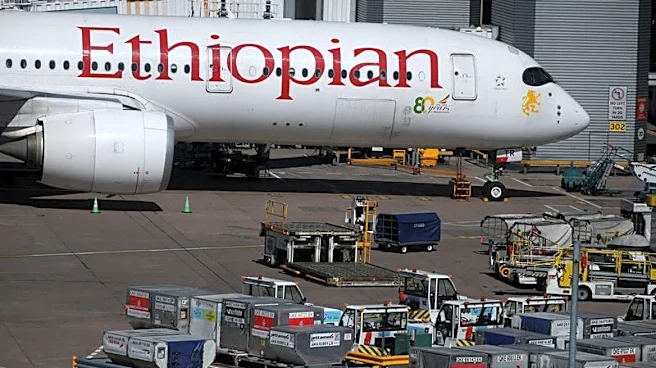
Ethiopian Airlines is reportedly close to finalizing an order for Boeing 777-8F freighters, four years after initially signing a preliminary agreement for the aircraft. The potential deal involves purchasing eight to ten Boeing freighters, which would
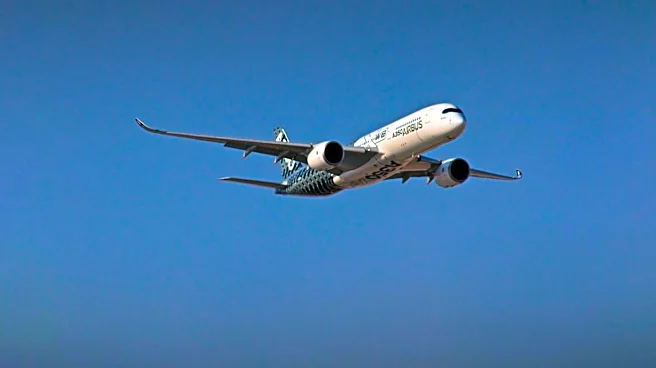
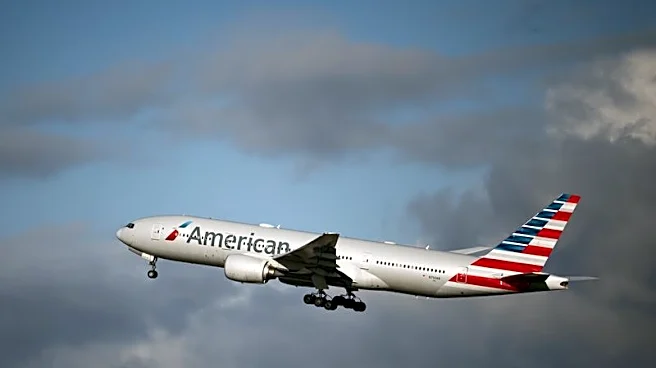
include two current-generation 777Fs and six to eight of the newer 777-8Fs, according to Reuters. This move would solidify a commitment made in March 2022 when Ethiopian Airlines signed a Memorandum of Understanding for five 777-8Fs, making it one of the early adopters of the type. Despite its long-standing commitment to Boeing's freighter line, Ethiopian Airlines is also evaluating the Airbus A350F. Boeing is currently seeking permission from U.S. regulators to continue delivering the current 777F model beyond 2027, as new international emissions standards are set to take effect, potentially preventing the production of non-compliant aircraft. Delays in the 777X program have also pushed back the 777-8F's entry into service, originally planned for 2027.
Why It's Important?
This potential order is significant for Boeing as it seeks to secure commitments for its next-generation freighter, the 777-8F, amidst production delays and regulatory challenges. For Ethiopian Airlines, a major cargo operator with 12 existing 777Fs, this decision will shape its long-term cargo and logistics expansion strategy, which aims to significantly increase capacity at its Addis Ababa hub and the new Bishoftu International Airport. The evaluation of the Airbus A350F by Ethiopian Airlines introduces a competitive dynamic, as Airbus aims to expand its presence in the dedicated long-haul freighter market, currently dominated by Boeing. The outcome of this decision will impact the market share of both aircraft manufacturers in the lucrative air cargo sector and could influence future purchasing decisions by other airlines globally. Furthermore, Boeing's request for an exemption from new emissions standards for its 777F highlights broader industry challenges in meeting environmental regulations while maintaining production schedules.
What's Next?
Ethiopian Airlines is expected to make a final decision on its freighter order in the near future, which will clarify its long-term fleet strategy for its expanding cargo operations. The airline is also approaching a decision on approximately 25 smaller passenger aircraft, considering models like the Airbus A220, Embraer E2, and Boeing 737-7. For Boeing, securing this order would be a crucial step in solidifying the 777-8F program and demonstrating market confidence despite production delays. The company will also continue its efforts to obtain regulatory approval from U.S. authorities to extend the production of its current 777F model beyond 2027. The competition between Boeing and Airbus for this significant order underscores the ongoing rivalry in the commercial aviation sector, with both manufacturers vying for market dominance in the cargo segment.
Beyond the Headlines
The decision by Ethiopian Airlines reflects broader trends in the global air cargo market, which has seen significant growth and demand for more efficient and larger capacity freighters. The airline's investment in new cargo aircraft aligns with its ambitious plans for its Addis Ababa hub and the development of the new Bishoftu International Airport, which is projected to handle 3.7 million tonnes of cargo annually by 2030. This expansion signifies Africa's growing role in global logistics and trade. The competition between Boeing and Airbus for this order also highlights the strategic importance of freighter aircraft in manufacturers' portfolios, especially as passenger aircraft sales can be more volatile. The ongoing regulatory scrutiny over aircraft emissions standards will continue to influence aircraft design and production, pushing manufacturers towards more environmentally compliant models and potentially creating challenges for existing fleets.