





What's Happening?
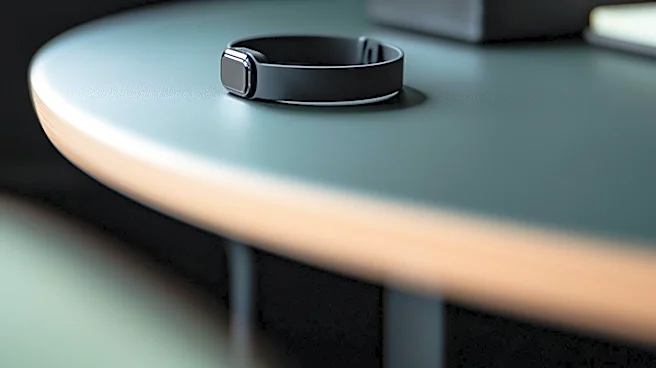
Wearable fitness coaching involves trainers using data from smartwatches and fitness trackers, such as heart rate, sleep patterns, and workout logs, to inform and guide client training. This approach allows coaches to identify trends, adjust workout intensity
and recovery, and monitor progress. While these devices are effective at distinguishing between awake and asleep states, they are less accurate in detecting specific sleep stages, according to the Sleep Foundation. The American Academy of Sleep Medicine advises against using consumer trackers for diagnosing or treating sleep disorders. Coaches primarily use this data to ask more precise questions during check-ins, compare planned effort with actual heart rates, identify patterns of poor sleep or missed sessions, and suggest lighter training weeks when multiple indicators point to a need for recovery. The data is treated as contextual information rather than definitive diagnoses or prescriptive plans.
Why It's Important?
The integration of wearable technology into fitness coaching signifies a shift towards data-driven personalized training in the U.S. fitness industry. This trend allows for more tailored workout plans and recovery strategies, potentially improving client outcomes and engagement. For individuals, it offers a new layer of insight into their physiological responses to exercise and daily life, empowering them to make more informed decisions about their health. However, the limitations of wearable data, particularly in sleep stage detection and the inability to diagnose medical conditions, highlight the critical role of qualified professionals. This emphasizes that technology serves as a tool to augment, not replace, expert human guidance. The reliance on trends over single data points also promotes a more holistic view of health and fitness, moving away from potentially anxiety-inducing daily scores towards long-term patterns.
What's Next?
The future of wearable fitness coaching will likely involve continued advancements in sensor technology to improve accuracy, especially in areas like sleep stage detection and heart rate variability (HRV) measurements. As these devices become more sophisticated, coaches may gain access to even richer data sets, enabling more nuanced and precise training adjustments. There will also be an ongoing need for clear communication between coaches and clients regarding the capabilities and limitations of wearable technology to manage expectations and prevent misinterpretation of data. The industry may see the development of standardized protocols for integrating wearable data into coaching practices, ensuring ethical and effective use. Furthermore, as more individuals adopt wearables, the demand for coaches proficient in interpreting and applying this data is expected to grow, fostering a specialized segment within the fitness coaching profession.
Beyond the Headlines
The rise of wearable fitness coaching touches upon broader societal implications concerning the intersection of technology, health, and personal responsibility. While these devices offer unprecedented access to personal health metrics, they also raise questions about data privacy, the potential for over-reliance on technology, and the psychological impact of constant self-monitoring. The emphasis on trends rather than isolated data points encourages a more mindful approach to health, promoting consistency and self-awareness over obsessive tracking. This trend also underscores the evolving role of fitness professionals, who must now possess not only expertise in exercise science but also a strong understanding of data interpretation and technological integration. The ethical considerations around using personal health data, particularly in a coaching context, will become increasingly important, necessitating clear guidelines and client consent to maintain trust and ensure responsible practices.